
Frieze Sculpture - Matyáš Chochola
Part monument, part creature, part ruin. What do you see?
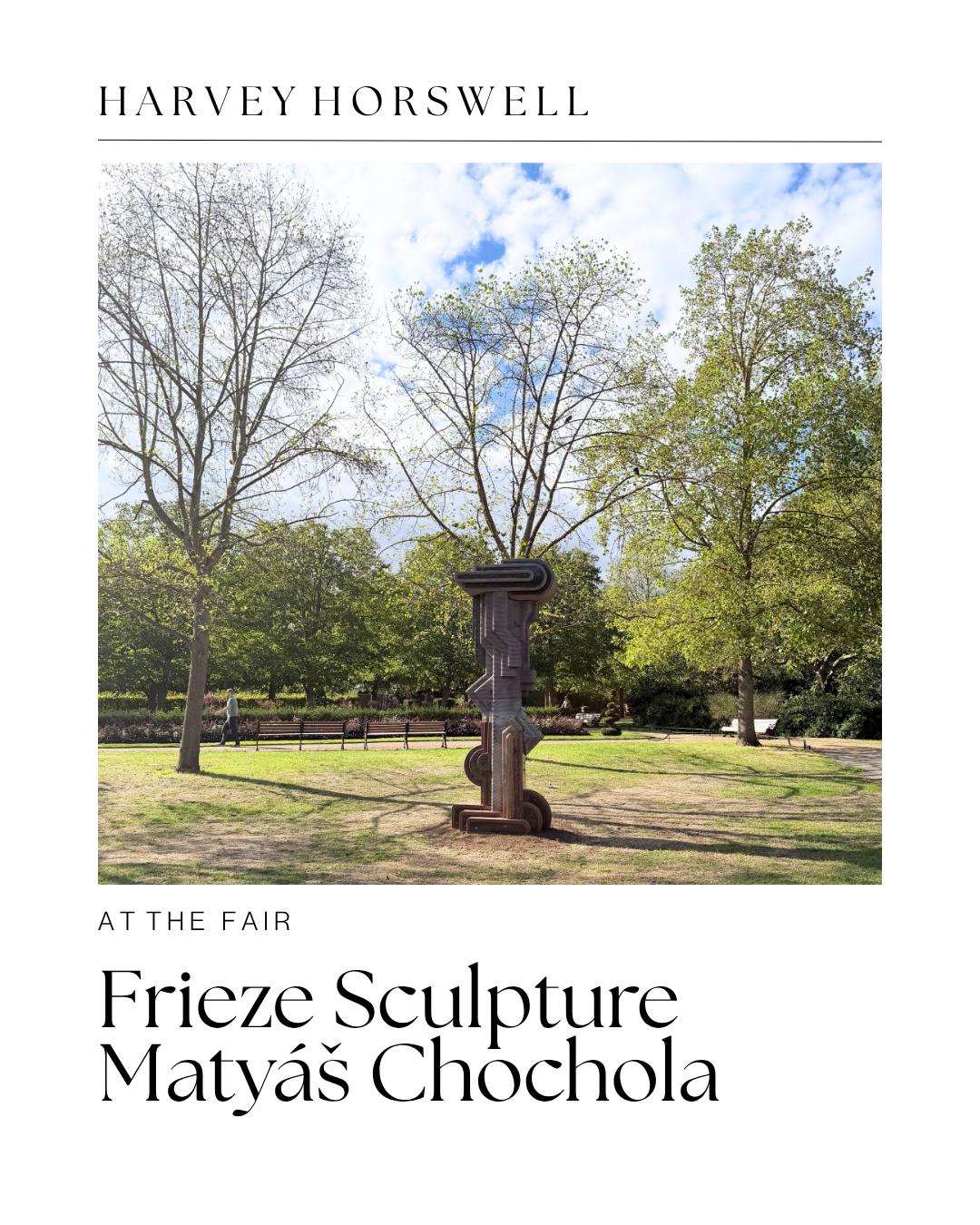
Whilst planning our clients’ walk through Frieze Sculpture, we had the great pleasure of meeting Czech artist Matyáš Chochola alongside his three monumental sculptures: METEOR, BRUTALIST and MACE II (all 2024). Presented by The Chemistry Gallery, the works form part of Chochola’s wider series Virtues & Vices of Our Time: 300 Years Later. It is always a privilege to hear an artist speak about their hopes for a work, especially when the conversation extends beyond the exhibition itself to where it might one day belong.
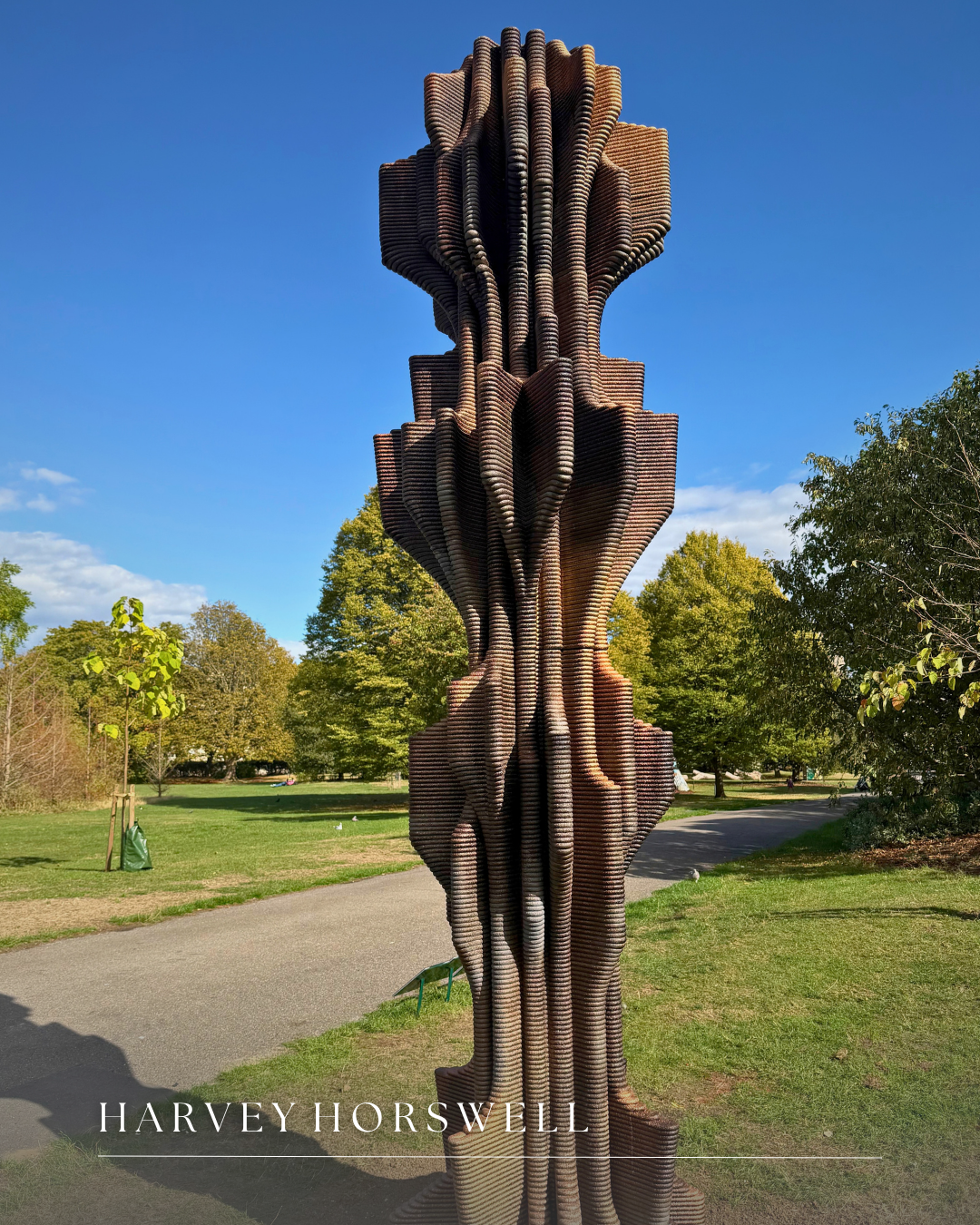
Chochola spoke generously about imagining the future locations of these sculptures, and how a work acquires another chapter when it enters a collector’s home, garden or public setting. Sculpture is never quite finished by the artist alone. It changes through its surroundings, light, weather and the people who encounter it. One of the pleasures of walking through Frieze Sculpture is exactly this: moving around a work, spending a little time with it and noticing what else appears.
Looking closely
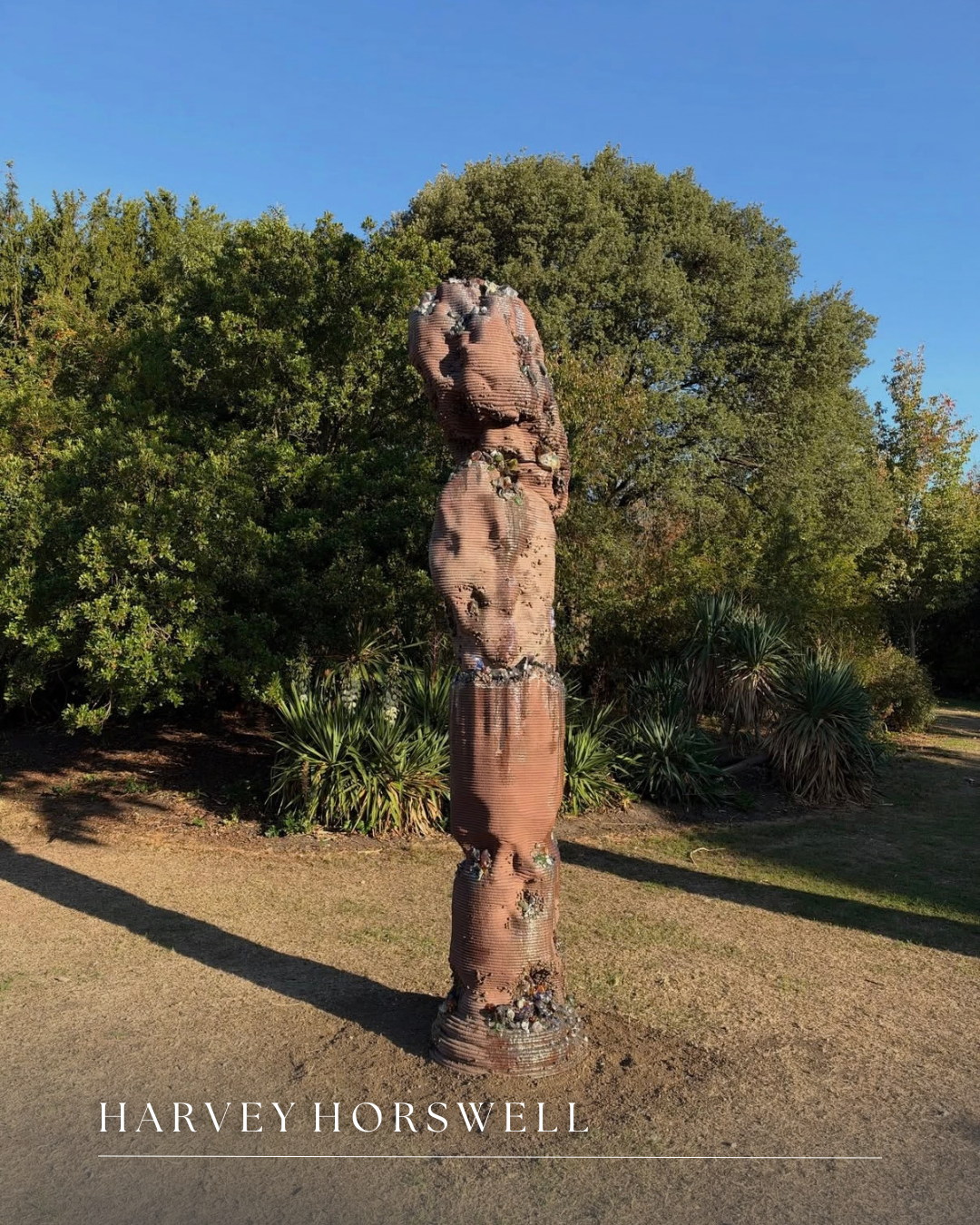
From a distance, Chochola’s sculptures read as powerful vertical presences in the landscape, part monument, part creature and part ruin. Their forms can feel architectural, bodily, mechanical or even archaeological, as though they have arrived from an unknown civilisation. Seen together, they refuse to settle into a single story, allowing each viewer to bring their own associations and imagination to the encounter.
Look more closely and their making becomes part of their meaning. The sculptures were first produced through experimental 3D concrete-printing technology, developed with Czech manufacturing company Voxell, then extensively transformed through the artist’s own manual intervention. The repeated printed layers give each work a machine-made rhythm, while the irregularities, additions and disruptions reveal the artist’s hand. They hold a productive tension between precision and improvisation, digital manufacture and physical touch.
Virtues and vices
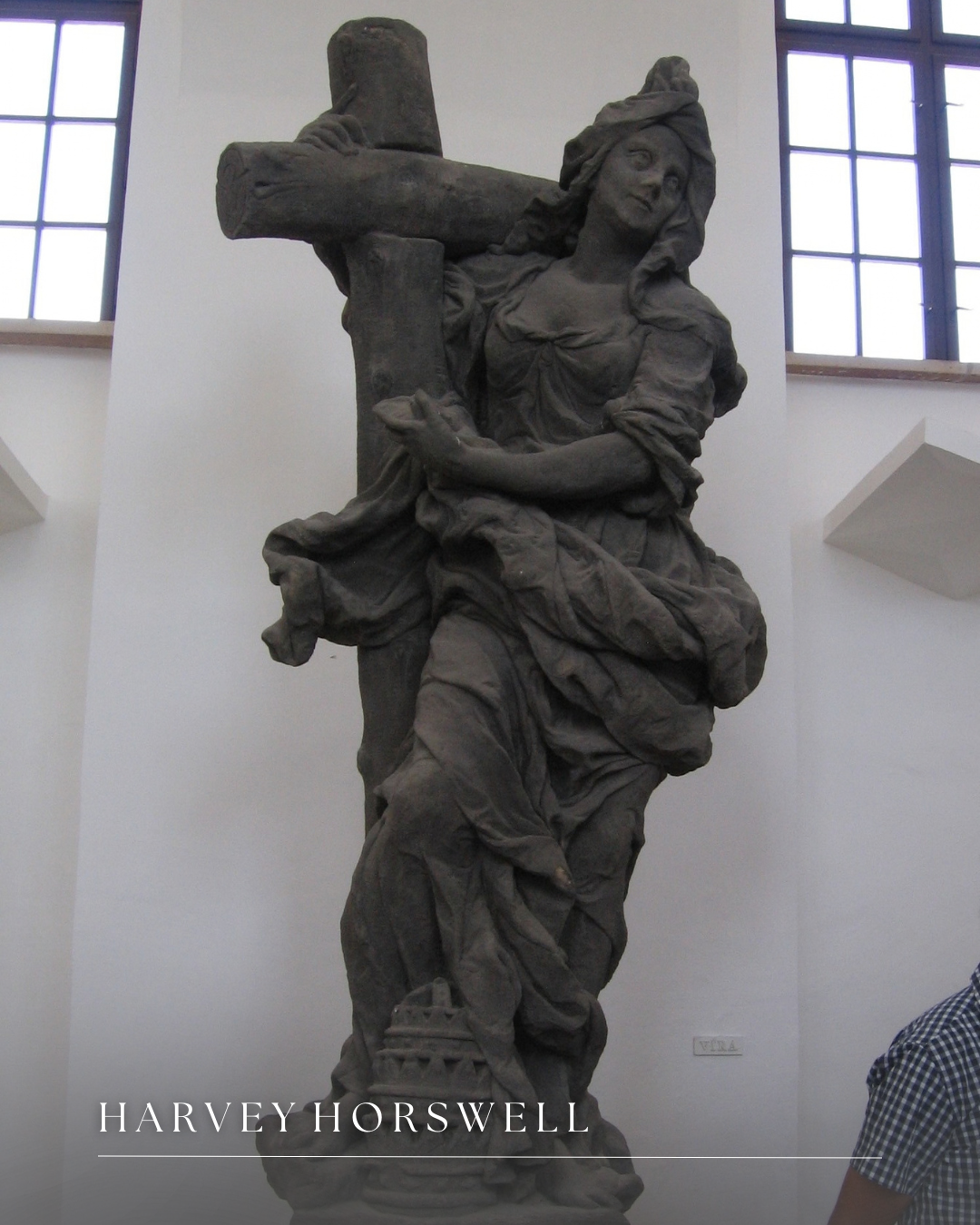
Chochola’s starting point lies some 300 years earlier, in Matyáš Bernard Braun’s Baroque cycle Virtues and Vices at Kuks. Braun gave human qualities physical form through allegorical sculpture (the image below is of Faith at Kuks.
Chochola takes that idea somewhere altogether stranger, reimagining the historical figures as cryptic contemporary totems shaped by references to antiquity, Cubism, Brutalism, mythology, science fiction and popular culture.
What would you name a sculpture of a modern-day virtue or vice? Digital distraction might be a likely candidate for a vice. Yet perhaps hope, curiosity, attention or the ability to look again could stand among our contemporary virtues. This is a question we will bring into our walks: not only what do these sculptures represent, but what qualities do we choose to value, celebrate and make visible now?
The invitation is simple: walk around them, look from more than one angle, and give them time. What do you see?
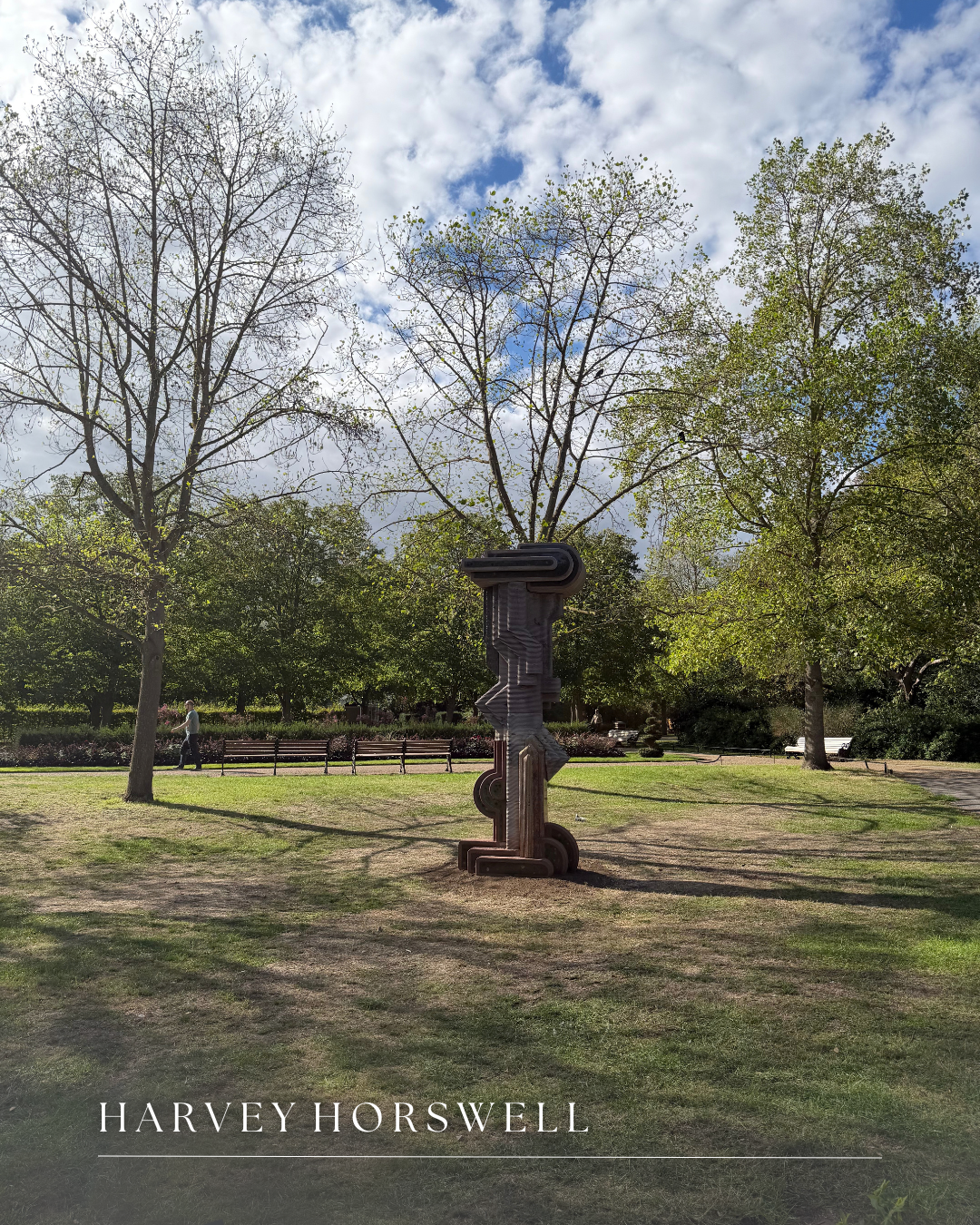
Image credits are Harvey Horswell and Matyáš Bernard Braun, Faith, 1717–1719, from Virtues and Vices, Kuks. Photograph: PetrS. / Wikimedia Commons, CC BY-SA 4.0. Image was made brighter in edits. https://creativecommons.org/licenses/by-sa/4.0/