
Before the doors open at Battersea
Sculpture, vetting and the pleasure of looking closely
A sculpture vetting panel, a box of eyes and a near miss with a hoover. Before the doors open at The Decorative Fair, there is plenty to keep us occupied.
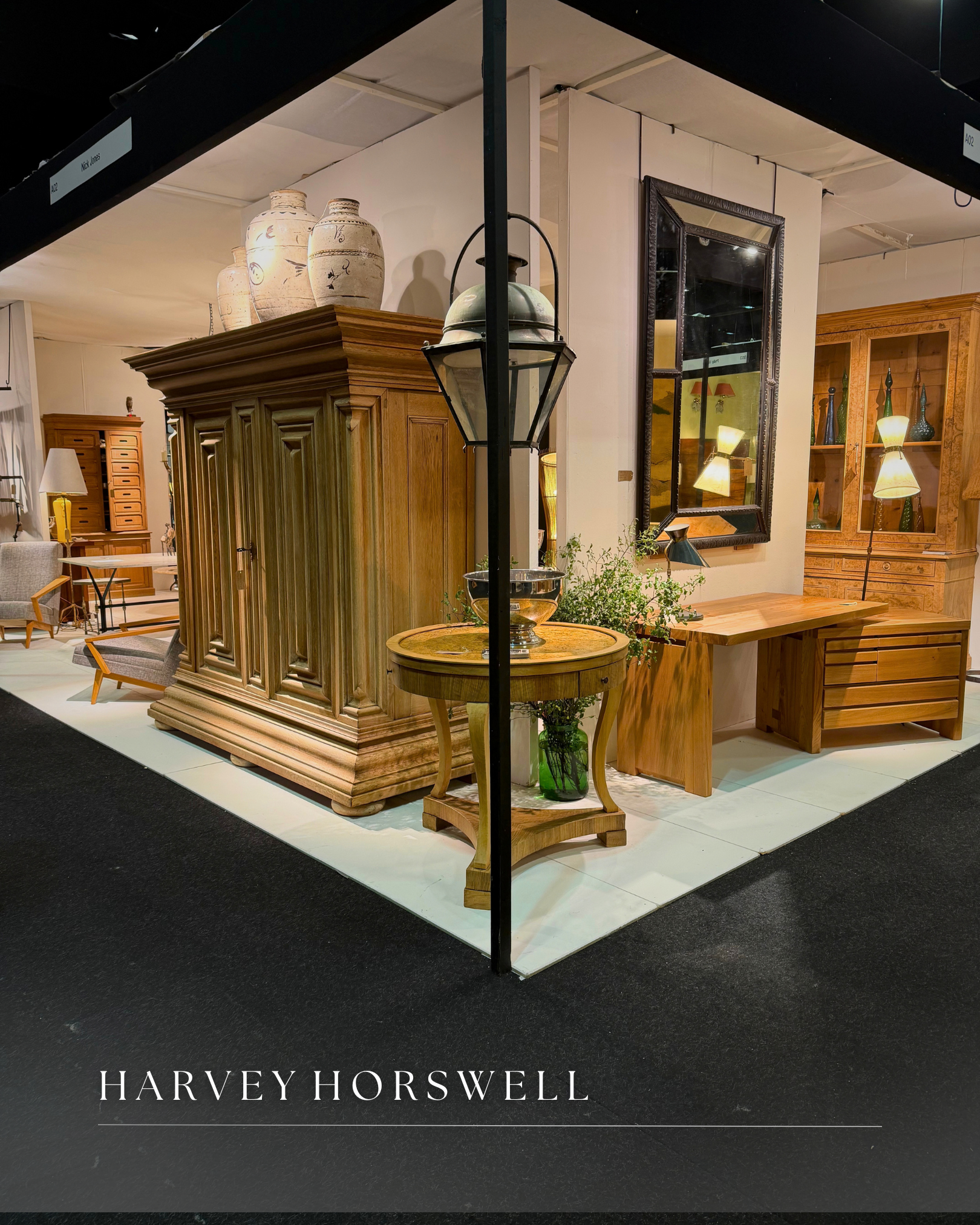
This week I am delighted to be part of the sculpture vetting panel at The Decorative Fair in Battersea Park. It is a small but important part of fair life that visitors do not often see: the moment before the stands are complete, the lights are adjusted and the first collectors begin to arrive. There is a great deal of quiet concentration involved, but it is also one of the most collaborative parts of the job. I bring my own knowledge of sculpture, while the panel as a whole brings together expertise across centuries and materials. We compare observations, share evidence and learn from one another.
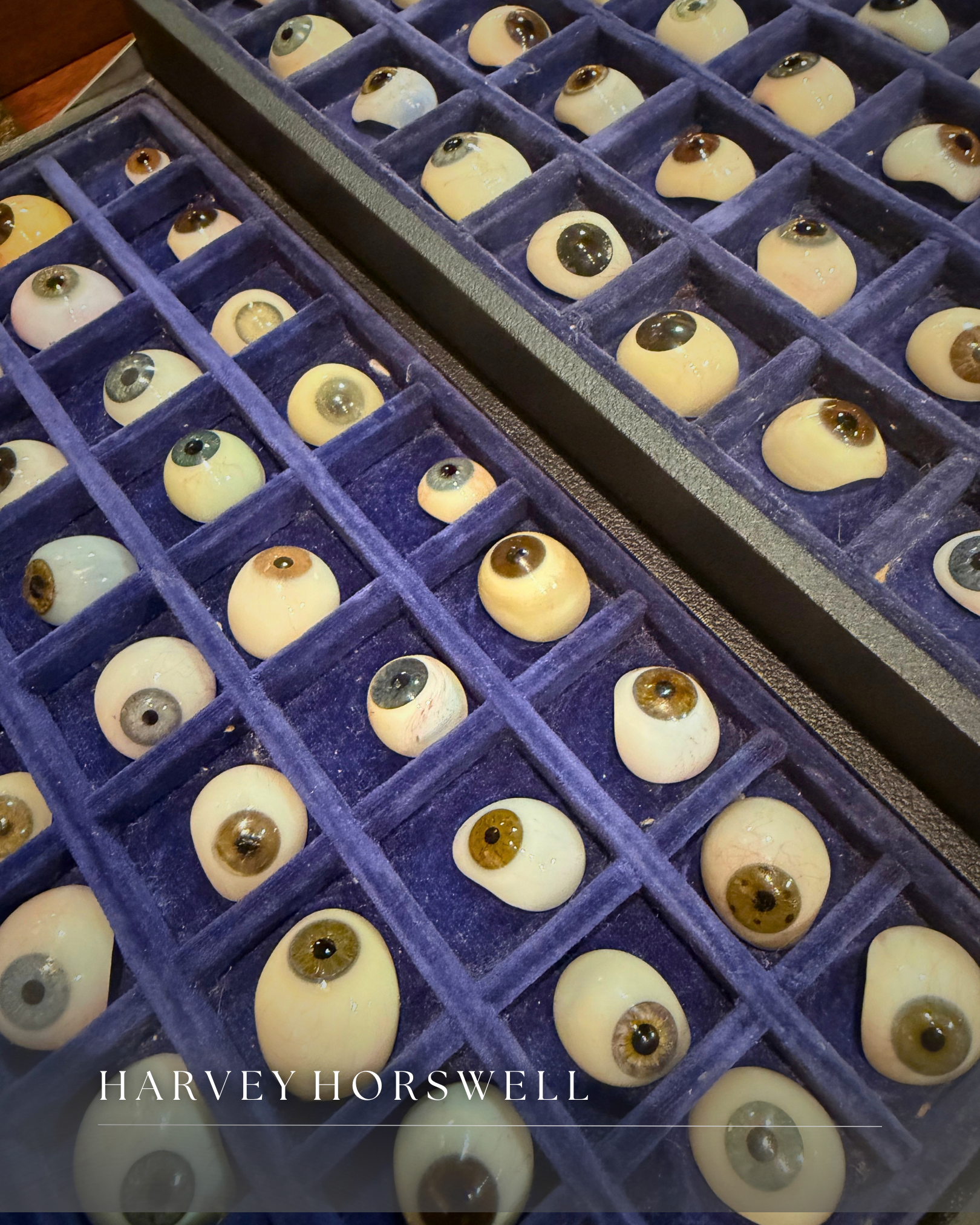
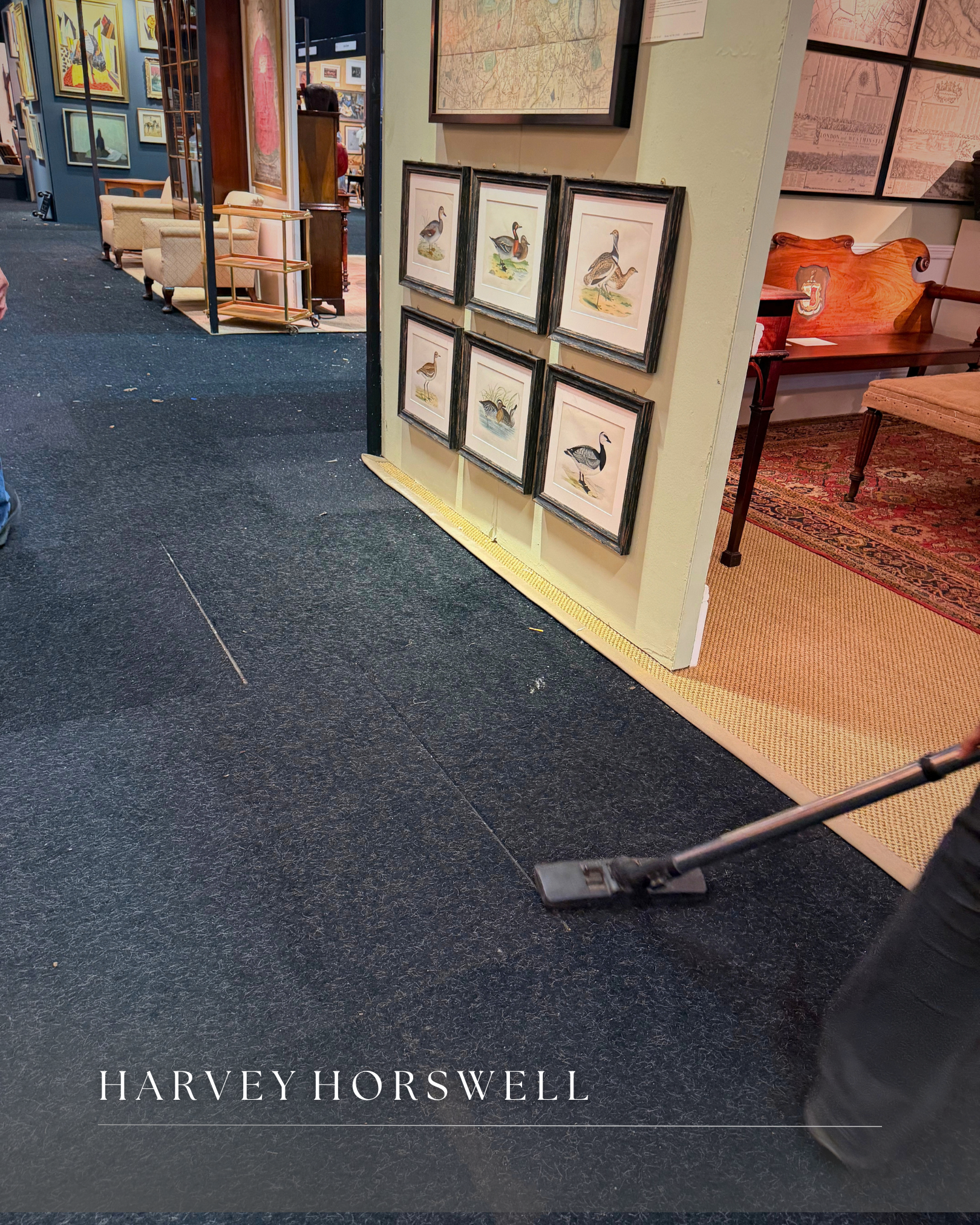
Every fair offers something unexpected, and this one certainly has. The box of eyes was not, I should say, a new form of sculpture. It was an extraordinary collection of antique glass eyes, each with its own colouring, detail and slightly uncanny individuality. The hoover was less glamorous, though no less memorable. It appeared at precisely the wrong moment and was nearly responsible for an undignified collision. The less said about that, perhaps, the better.
What vetting means
“Vetting” can sound rather mysterious, even slightly forbidding. At its simplest, though, it asks a straightforward question: does the object support the description attached to it? With sculpture, that can mean looking closely at authorship, material, date, casting, condition, provenance and restoration. It is an exercise in building a clear, evidence-based picture of the object in front of us. A signature is one piece of evidence. A foundry mark or edition number may be another. The treatment of a surface, the quality of the modelling, the handling of detail and the available documentation can all contribute to our understanding. None of these things should be considered in isolation. The aim is to bring the evidence together and see whether it supports the description given by the exhibitor.
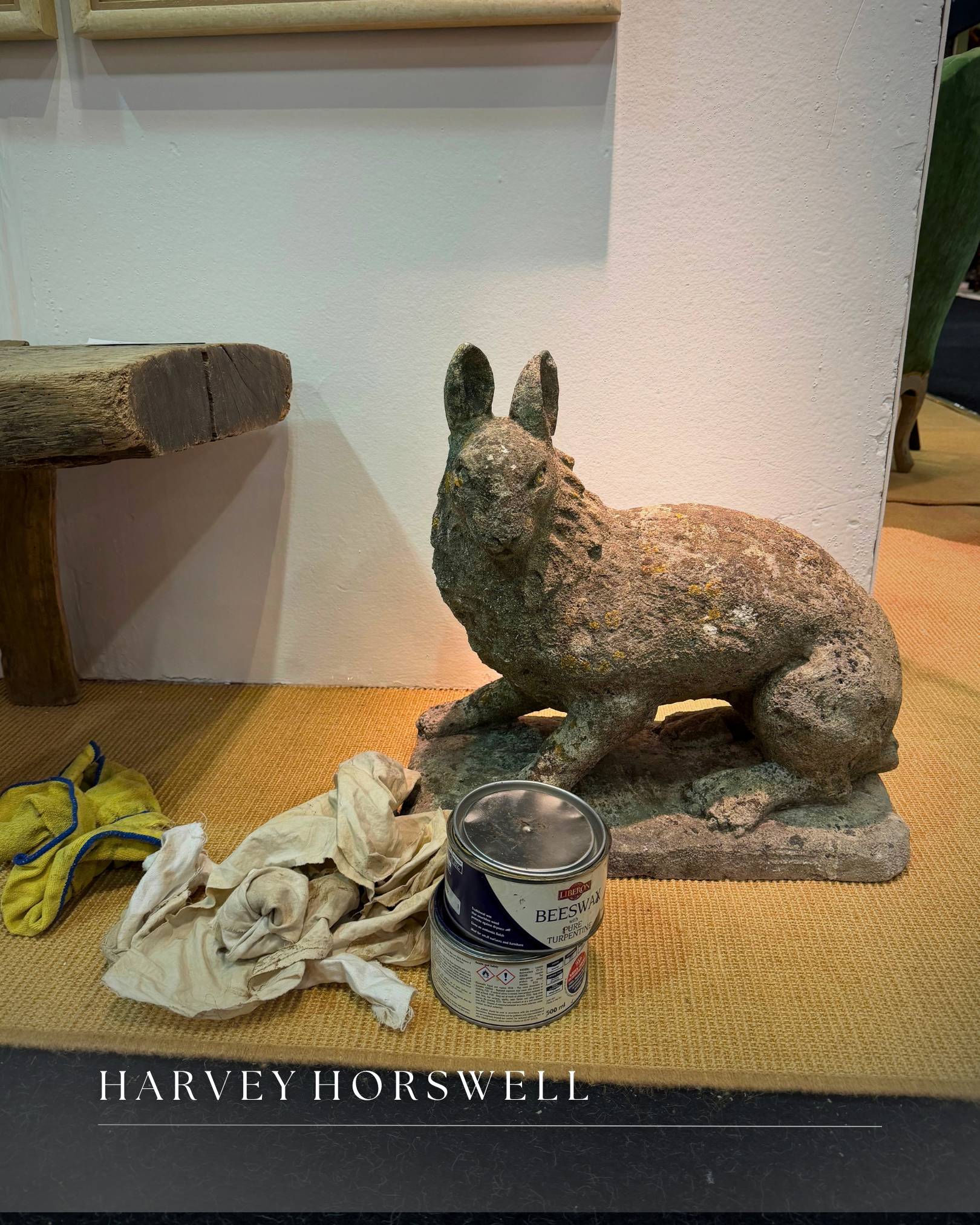
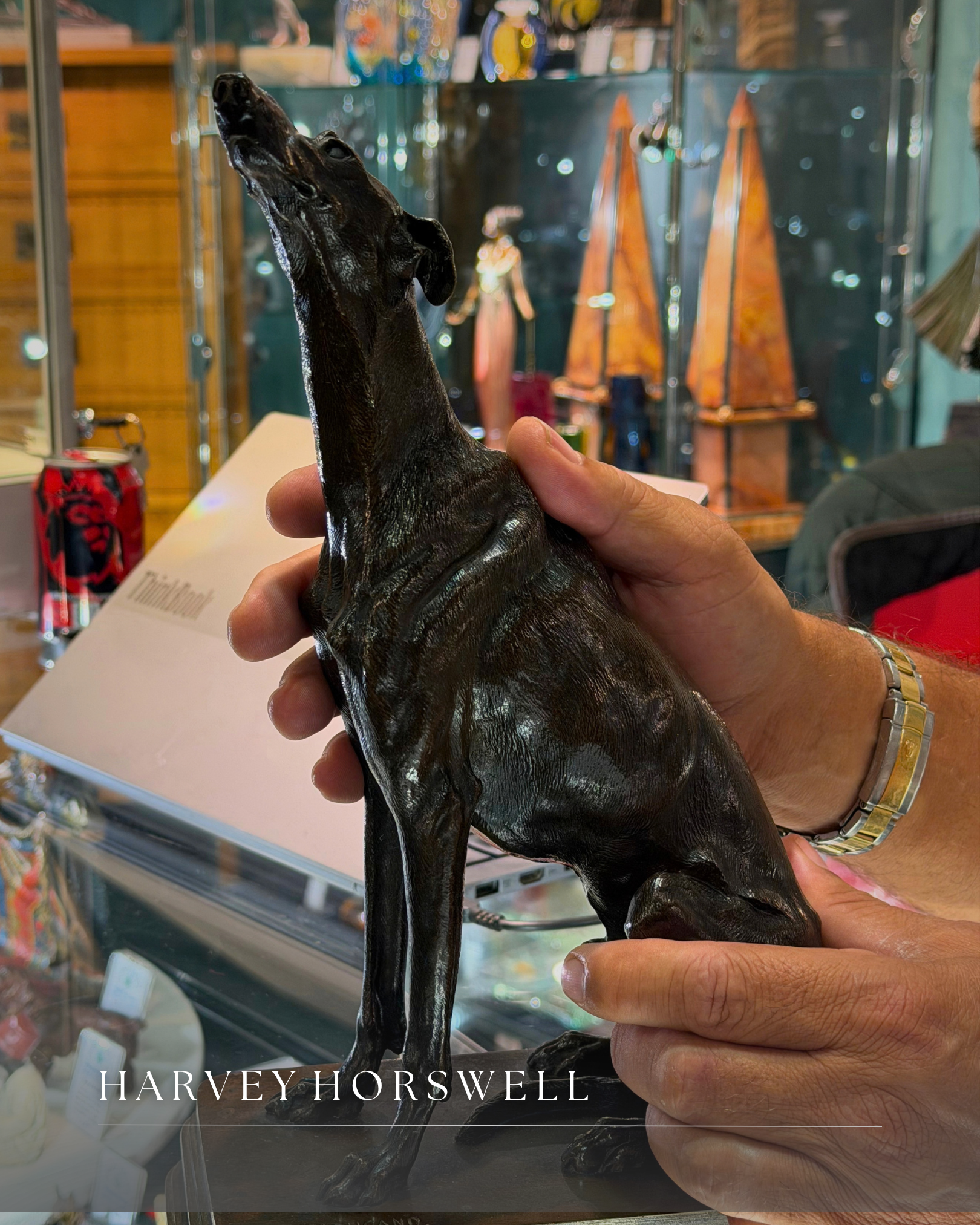
Bronze offers a particularly useful example. The date on which an artist first modelled a work and the date a particular bronze was cast are not necessarily the same. Both dates may matter, but they tell us different things. A bronze cast during an artist’s lifetime can have a different relationship to the artist’s own working process than a later cast, and understanding that distinction is part of looking carefully. Condition is equally important. Has a work been repaired, restored, altered or re-patinated? An old object can have a complicated history and still be deeply desirable, but a potential buyer should be given as clear an account as the evidence permits. Restoration is not necessarily a problem. It is information, and it should be recorded honestly.
More conversation than drama
People often ask whether vetting means finding fakes, uncovering criminal behaviour or dramatically “vetting off” large numbers of objects from a fair.
The truth is usually less dramatic, though rather more interesting. Much of the process consists of thoughtful conversations with exhibitors. Why have they given an object a particular date? What supports an attribution? Is there a more precise way to describe the material, condition or history? It is an opportunity to test ideas, share specialist knowledge and ensure that the information accompanying a work is as accurate as possible.
Sometimes an object’s description changes because the evidence does not support it strongly enough. Occasionally, a problem cannot be resolved through a revised label and the work cannot remain in the fair. Yet these moments are comparatively unusual. There is another side to vetting that is especially satisfying: discovering that an exhibitor has underestimated a work. A fresh observation, a remembered comparison or a missing piece of research can change the understanding of an object, adding another chapter to its story. Those are the moments that remind you how much remains to be found through careful, collective looking.
Sculpture in a room
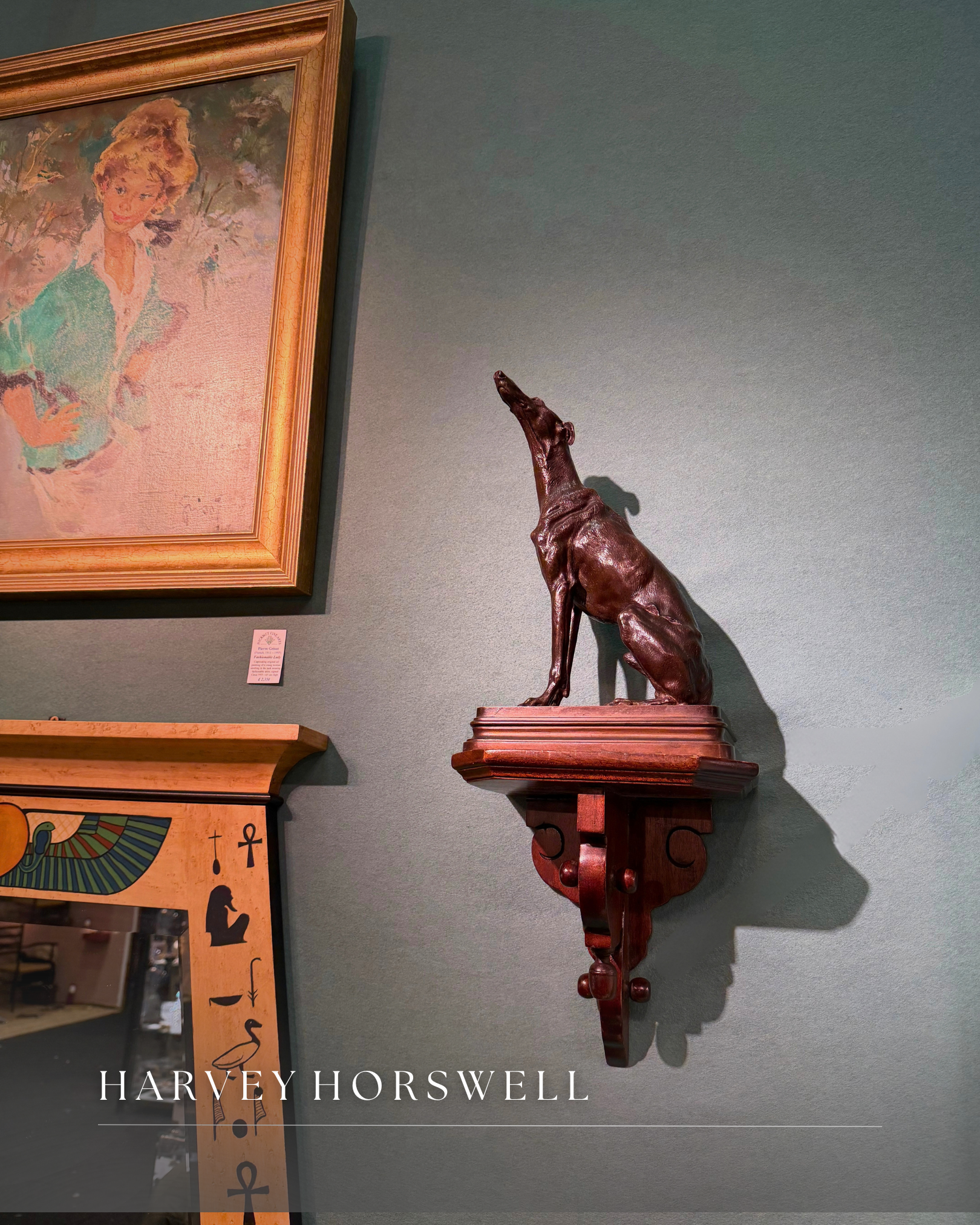
The Decorative Fair is a wonderful setting in which to encounter sculpture because it is shown in the company of furniture, paintings, lighting, textiles and decorative objects. Dealers create room settings rather than white-cube displays, and that makes a real difference. A small bronze on a table becomes something you can imagine living with. A larger work against a wall or in a corner begins to establish its own presence within a room. You notice whether it catches the morning light from a window, what happens to its silhouette as you move past it, and whether it becomes more compelling when you see it from behind.
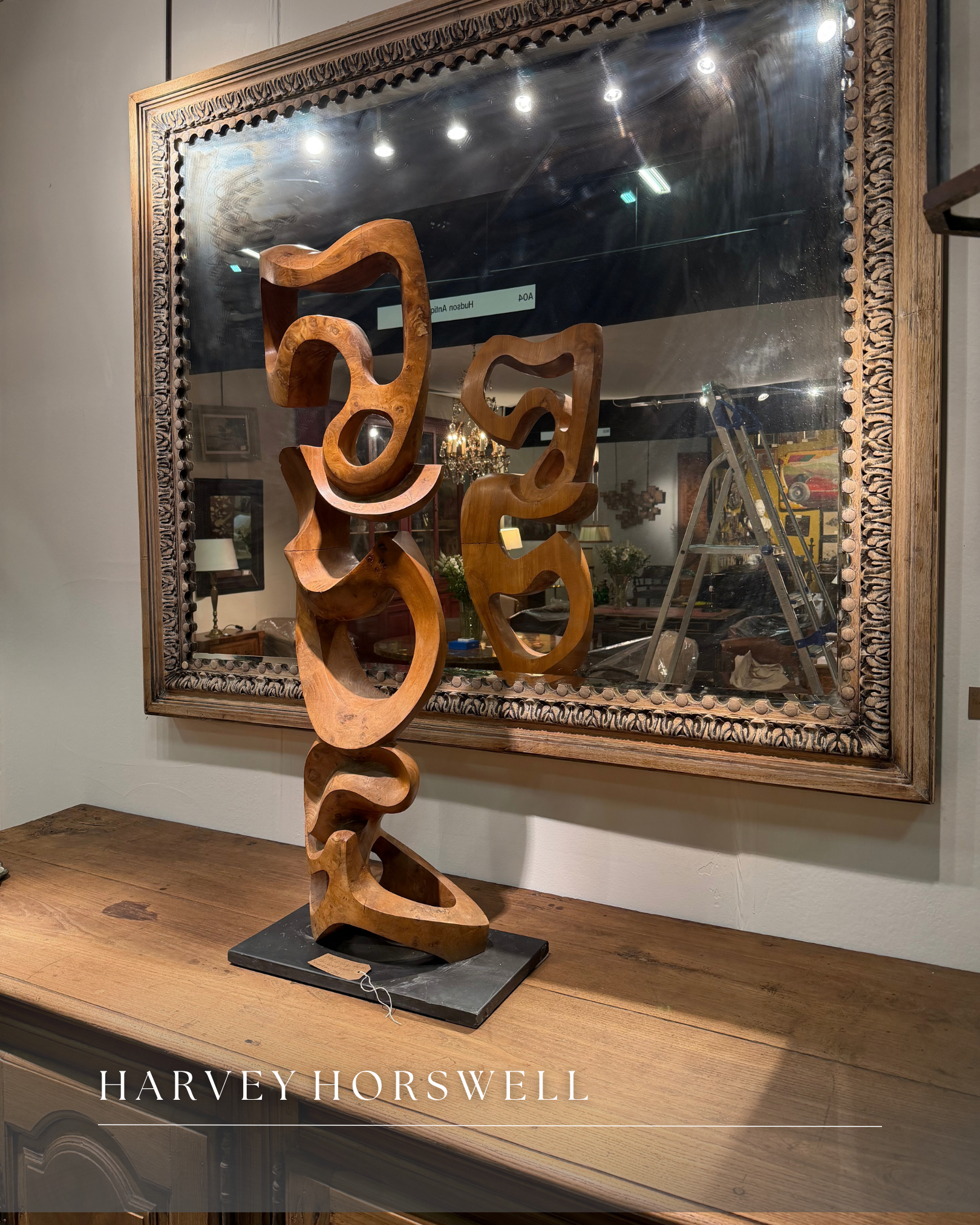
These are not secondary concerns. Scale, surface, setting and line of sight all shape a sculpture’s life after purchase. The right work does not simply fill an empty space. It changes the experience of a room, often gradually, becoming something you notice differently as the weather changes, a lamp is switched on, or you pass it on the way to make coffee.
One of the great pleasures of the fair is witnessing an exhibitor’s delight in a work. The best dealers are collectors first. They know the details, the stories and the peculiar qualities that make an object hard to replace. Their enthusiasm is infectious, and it is often in these conversations that a work begins to reveal itself.
Your turn to look
If you visit The Decorative Fair this week, give yourself time. Walk around the sculpture where the display allows. Look at the back as well as the front. Notice the shadows. Consider the material and how it has been handled. Ask the dealer what first drew them to the work, and what they know about its making and history. You do not need to arrive knowing all the right words, nor do you need to have made up your mind immediately. Curiosity is a very good place to begin.
The Decorative Fair takes place at Evolution London, Battersea Park, London SW11 4NJ, from 29 September to 4 October 2026. The fair brings together specialist dealers in antiques, design and art, and is an exceptional place to encounter objects in the context of how they might be lived with.
Visitor information and tickets are available through The Decorative Fair.