The Sculpture Walk
To join the Sculpture Walk mailing list for tickets for our next event and inside information on the sculptors and works included click here.
To apply to the next Sculpture Walk either as an independent artist or external gallerist or institution click here.
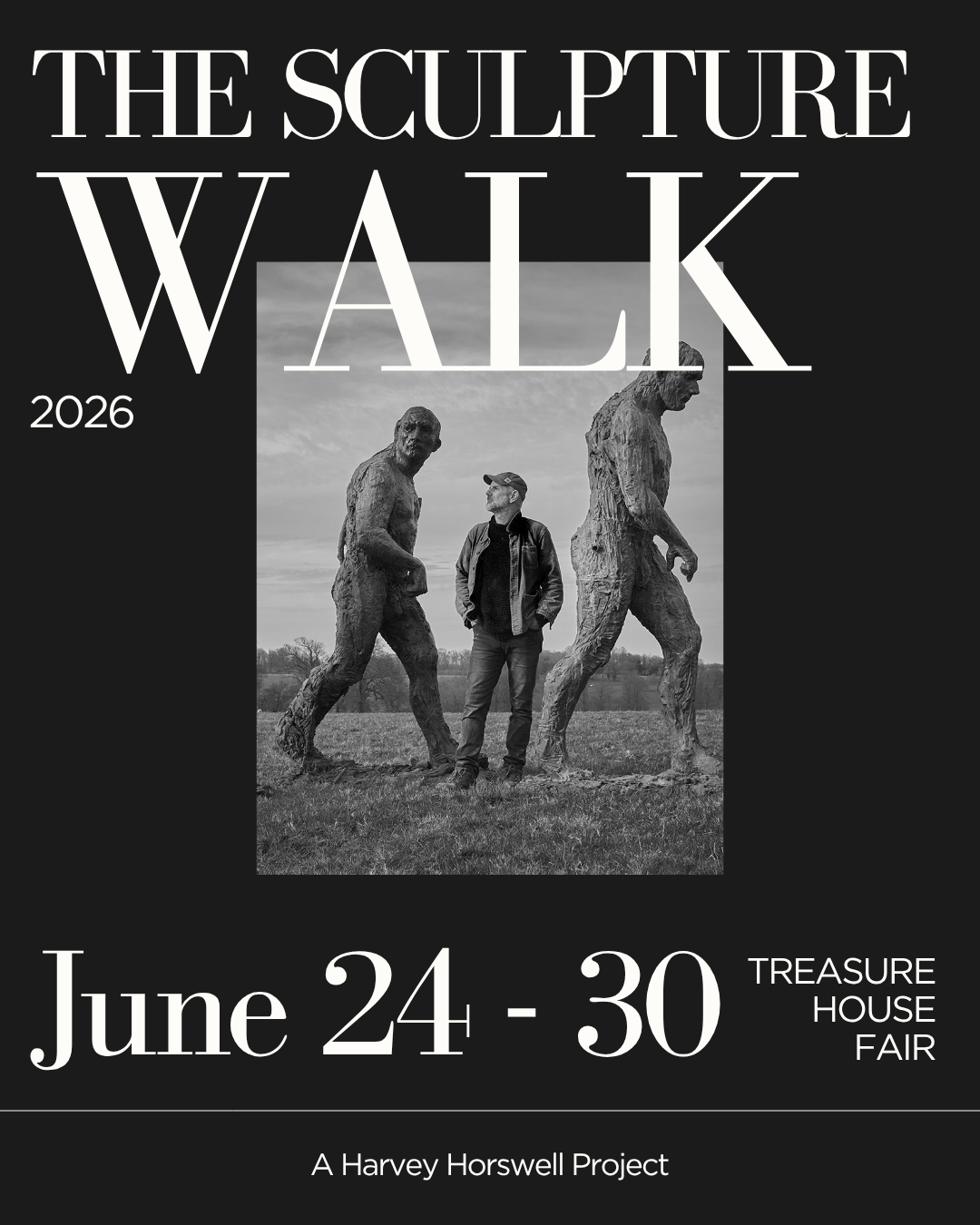
The Sculpture Walk 2026
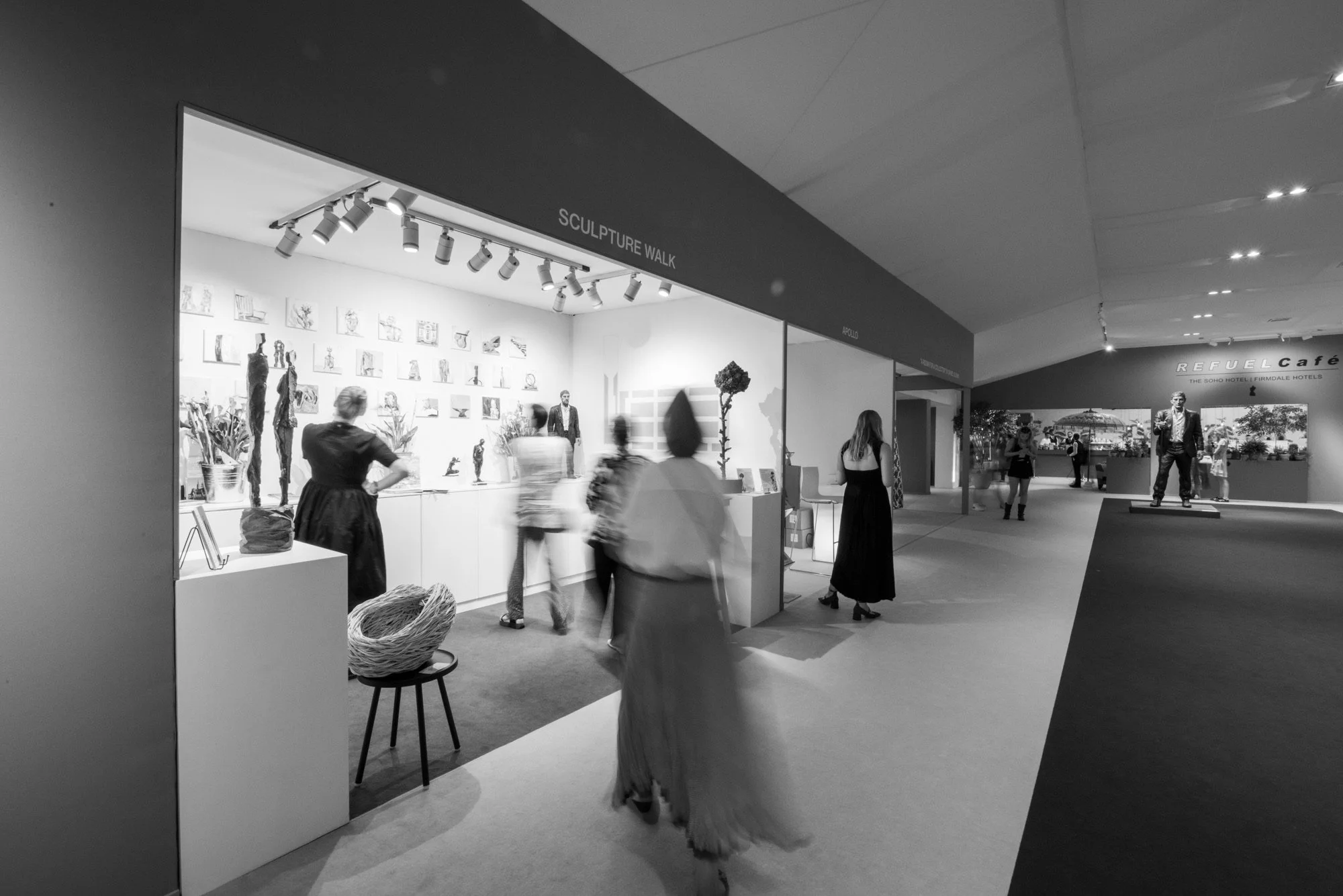
The Walk
The walk contains 9 mediums, 4 centuries and 36 sculptures the largest we believe achieved within a sculpture exhibition at an art fair.
To read more from our Director on the Sculpture Walk click here.
If you would like to receive further details, including our highlights from the Sculpture Walk, simply click below.
Catalogue
About The Walk in 2026
The theme for 2026 explores ‘Shared Views’, a concept that reflects both our expanded curatorial panel and the collaborative nature of the walk itself. Our three curators - Ben Brougham Interior Designer, Wilfrid Wright (curator) and Flo Horswell (sculpture expert) approach sculpture from distinct professional perspectives: museum scholarship, interior design practice and gallery curation. Shared Views’ invites us to consider how sculpture mediates our experience of place and community, how it can transform space and how it generates points of connection between diverse audiences. The works selected for the walk will reveal the ways in which art reframes our surroundings and, perhaps, alters our understanding of what we hold in common.
The walk contains 9 mediums, 4 centuries and 36 sculptures the largest we believe achieved within a sculpture exhibition at an art fair. To read more from our Director on the Sculpture Walk click here.
Sculpture Club have helped to design a self-guided walk for the younger visitors. Please come to ‘The Sculpture Walk Stand’, number 110, to collect your exploration pack. Just don’t forget to bring your adults with you. For information on other free sculpture walks around London for small humans and those of you walking a dog, join the Sculpture Club’s Substack here.
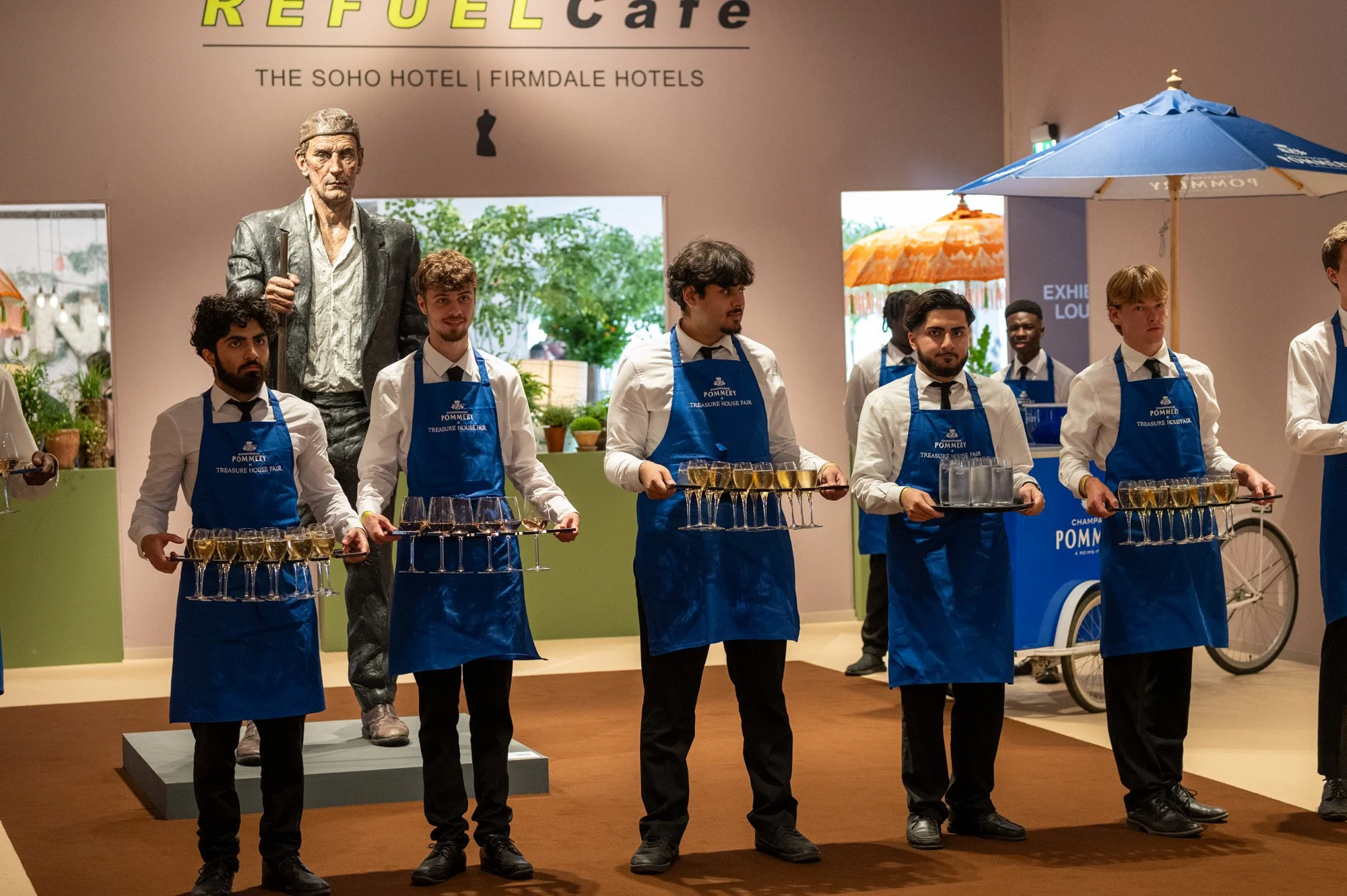
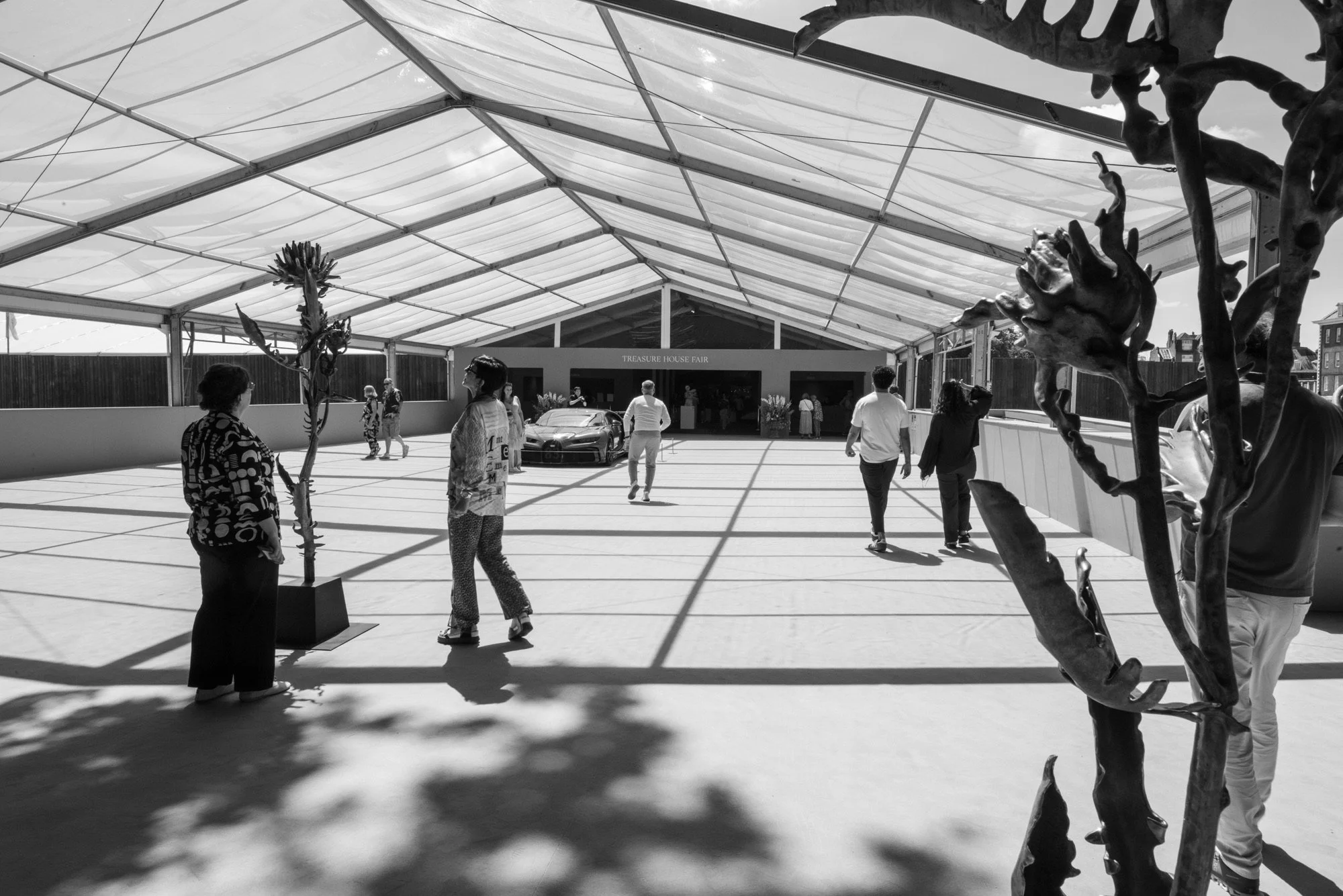
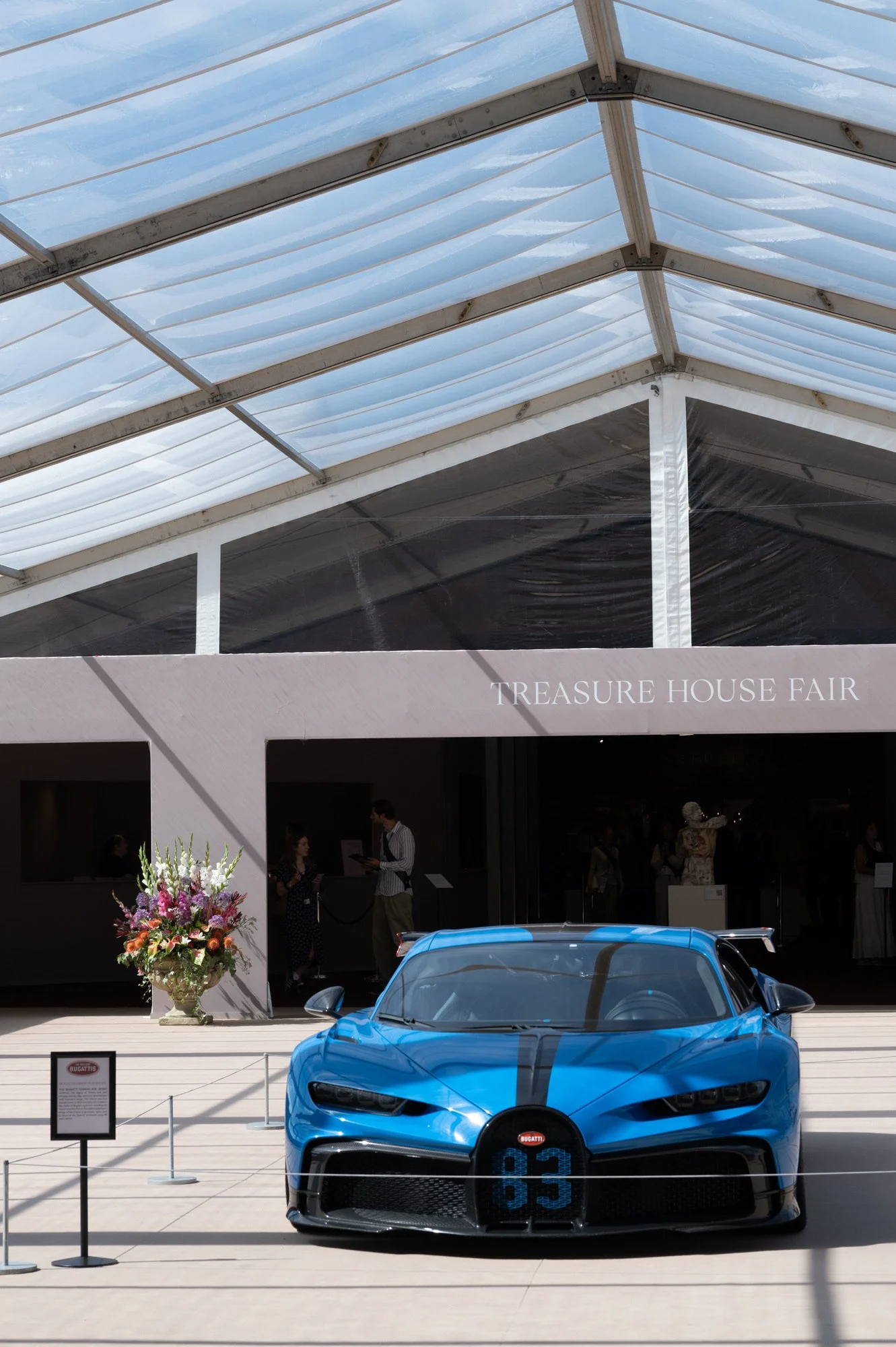
The Treasure House Fair enters its fourth edition in June 2026, returning to the historic grounds of the Royal Hospital Chelsea in London. For one week at the height of London’s summer season, Treasure House brings together a curated blend of art, antiques and design. Seventy of the world's foremost dealers gather to showcase their finest works; each object meticulously vetted by independent experts to ensure the highest quality and authenticity. The fair occupies the same space as Masterpiece Fair which has the same founders. A diverse selection of refreshments awaits visitors, Firmdale Hotels will curate three pop-up spaces: Brumus Brasserie, Refuel Café and Oscar’s Bar. This diverse selection of refreshments can be enjoyed against the iconic backdrop of Christopher Wren’s remarkable Royal Hospital Chelsea.
About Treasure House Fair
Our Curators
“The ‘shared views’ theme aligns closely with how I approach design, creating a sense of cohesion between objects, spaces, and the experiences they support. The pieces we’ve selected sit in that nuanced space between fine art and decoration, which feels particularly relevant in a setting where collectors are considering not just the object itself, but how it lives within its environment.” - Benjamin Brougham
“Art is the ultimate conversation starter. There’s something wonderful in the knowledge that when looking at an artwork which millions may have seen before, one can be completely confident that one’s viewpoint is in some way unique. Sharing these views stimulates new ideas and this capacity for dialogue is one of the touchstones our humanity.” - Wilfrid Wright
“The selection brings together exhibitors and independent artists under one curatorial framework. We’re presenting sculpture as a shared language, one that crosses boundaries between established and independent voices.” - Flo Horswell
The Sculpture Walk 2025
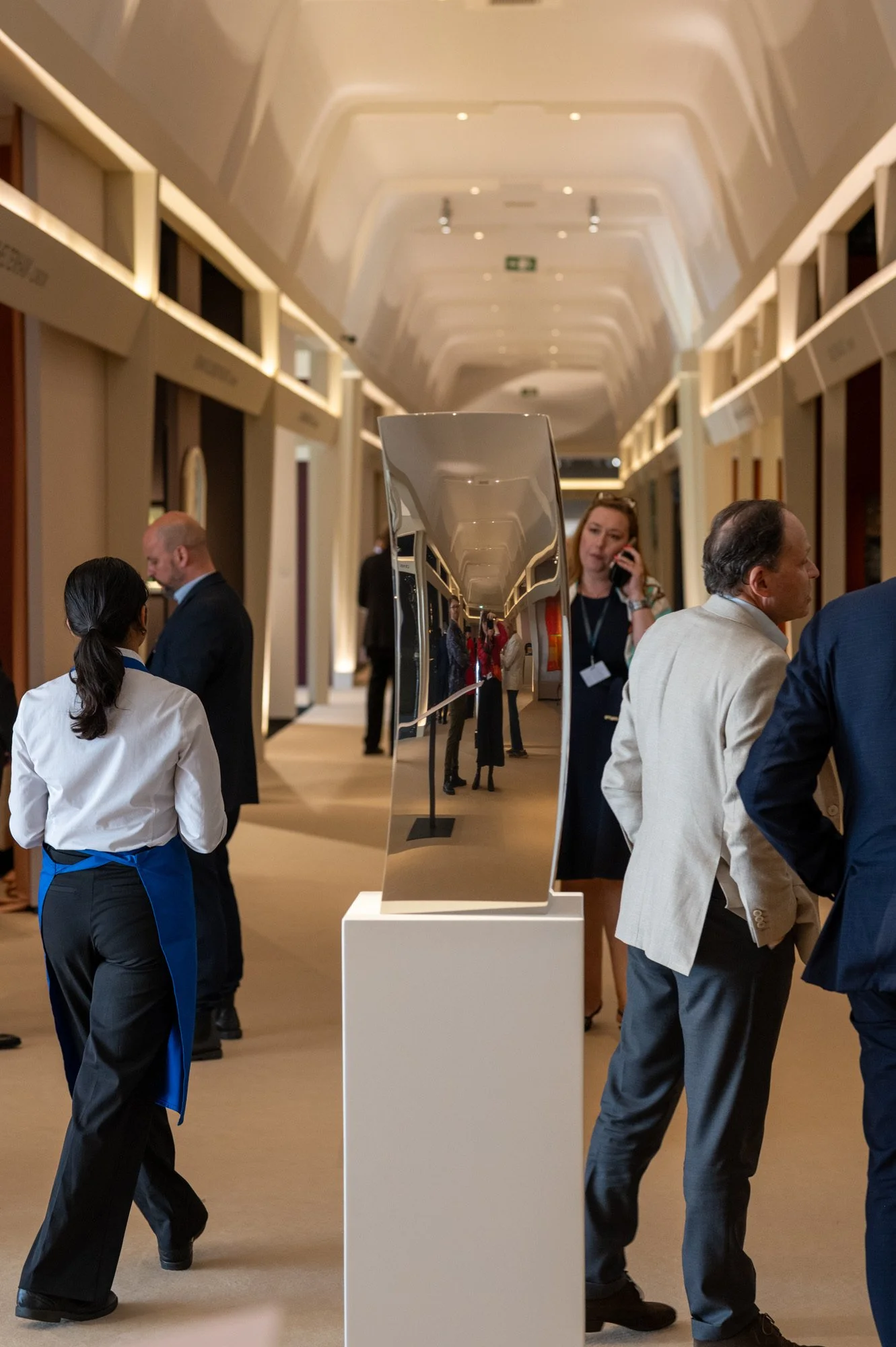
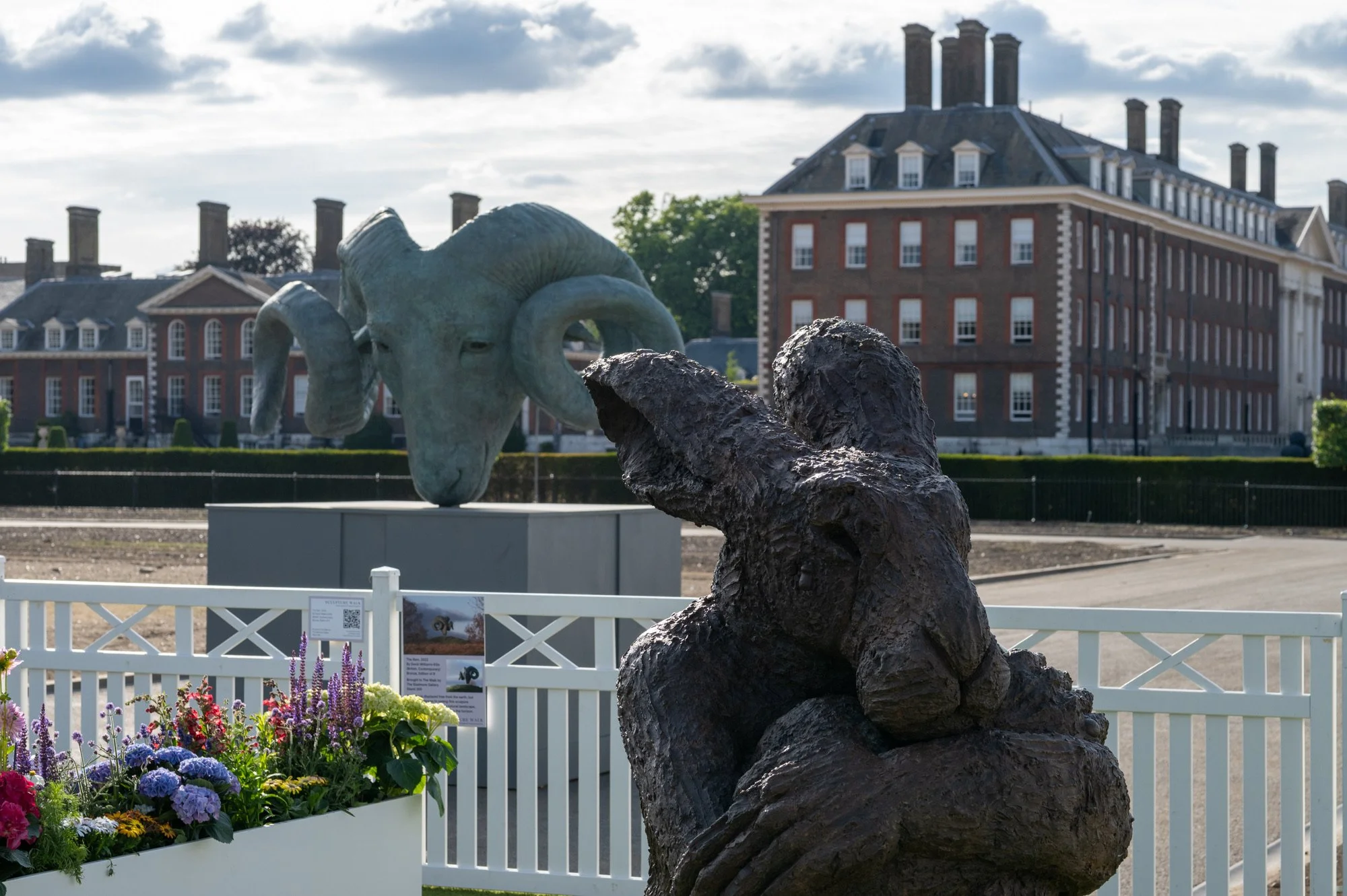
Harvey Horswell designed and directed the Sculpture Walk at Treasure House fair 2025 and developed it into a multi-media experience for those new to collecting and for those who were already sculpture enthusiasts. We were the first to view a sculpture walk as a way to ignite visitors and operate a sculpture programme separately to the fair’s main programme with a fully developed digital experience, with dedicated tours, podcasts, children’s tours and digital media.

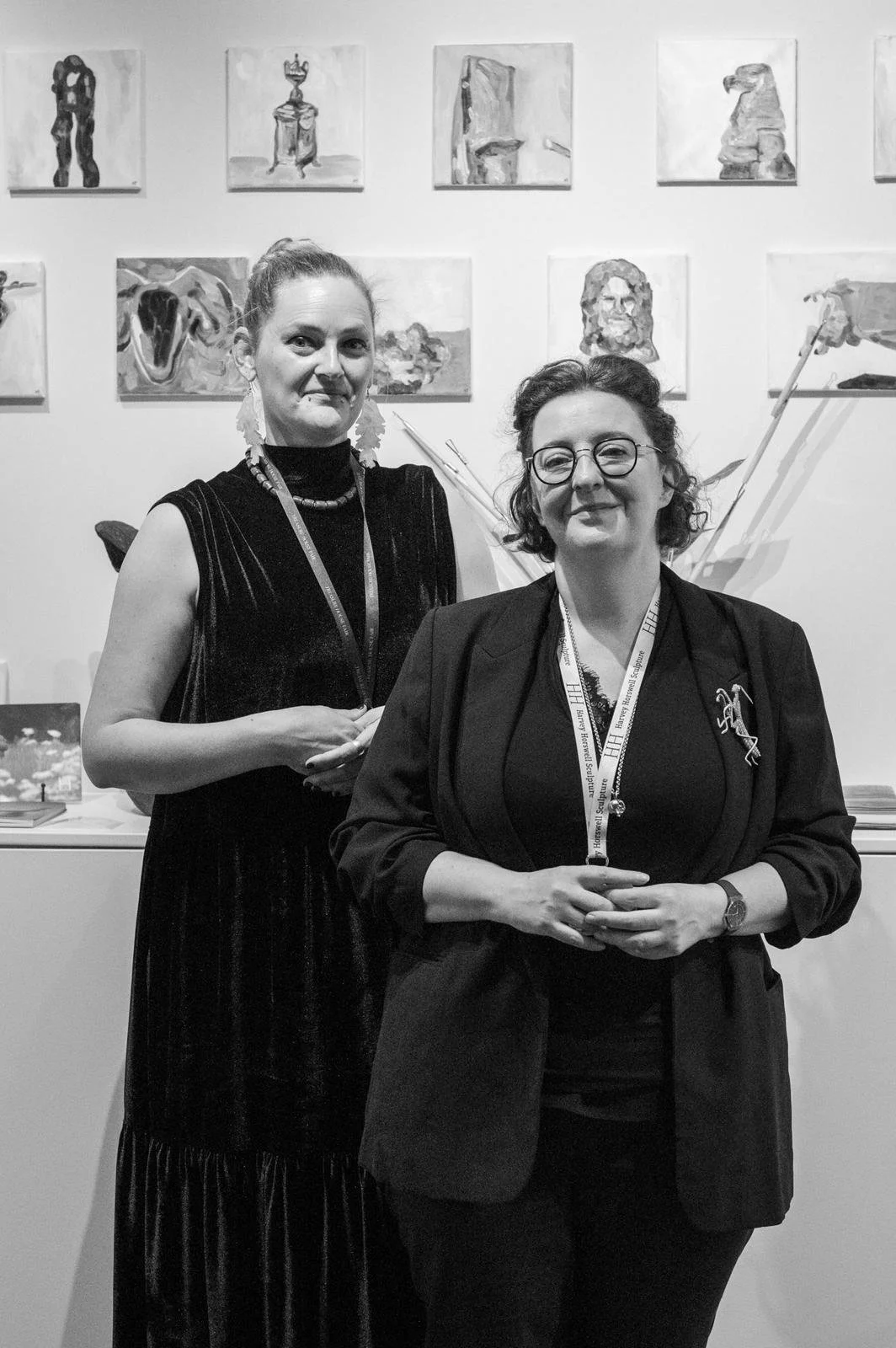
The Curator
Dr Melissa L Gustin is Curator of British Art at National Museums Liverpool, based at the Walker Art Gallery. She has taught at the Universities of York and Essex and held fellowships at the Henry Moore Institute and the Watts Gallery—Artists Village. Her current exhibition is on Turner.
The Podcast
The sculptors were interviewed by Harvey Horswell and form episodes of 30 minutes, exploring the creative journey of each artist. Dr. Melissa L. Gustin and Flo Horswell reflect on the impact of each piece and artist at the end of each episode. To listen click here.

The Resident Artist
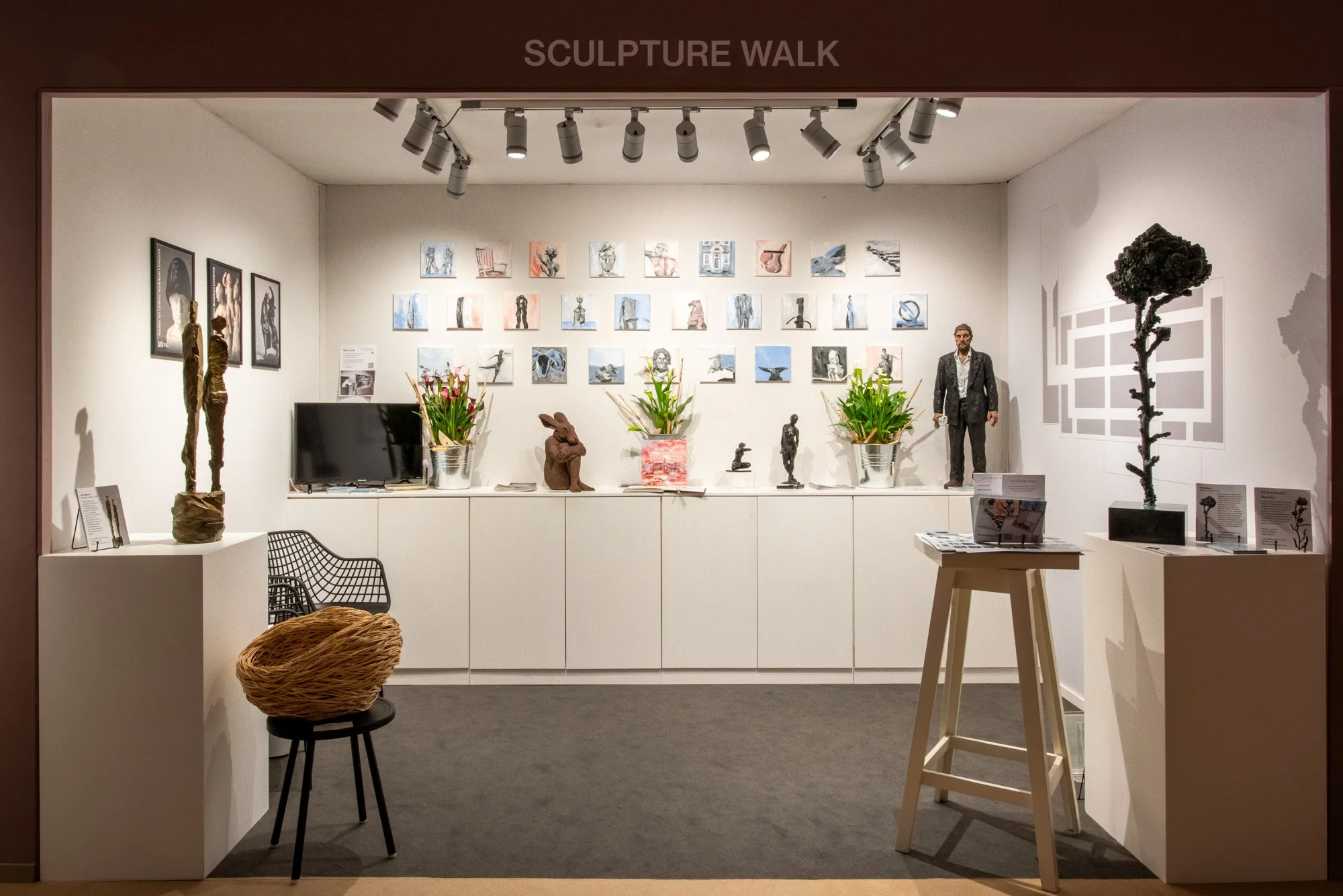
Helena Traill is an international artist whose work transforms landscapes and scenery into sensory experiences, drawing viewers into immersive spaces of colour and contemplation. She created impressionist interpretations of each of the walk.
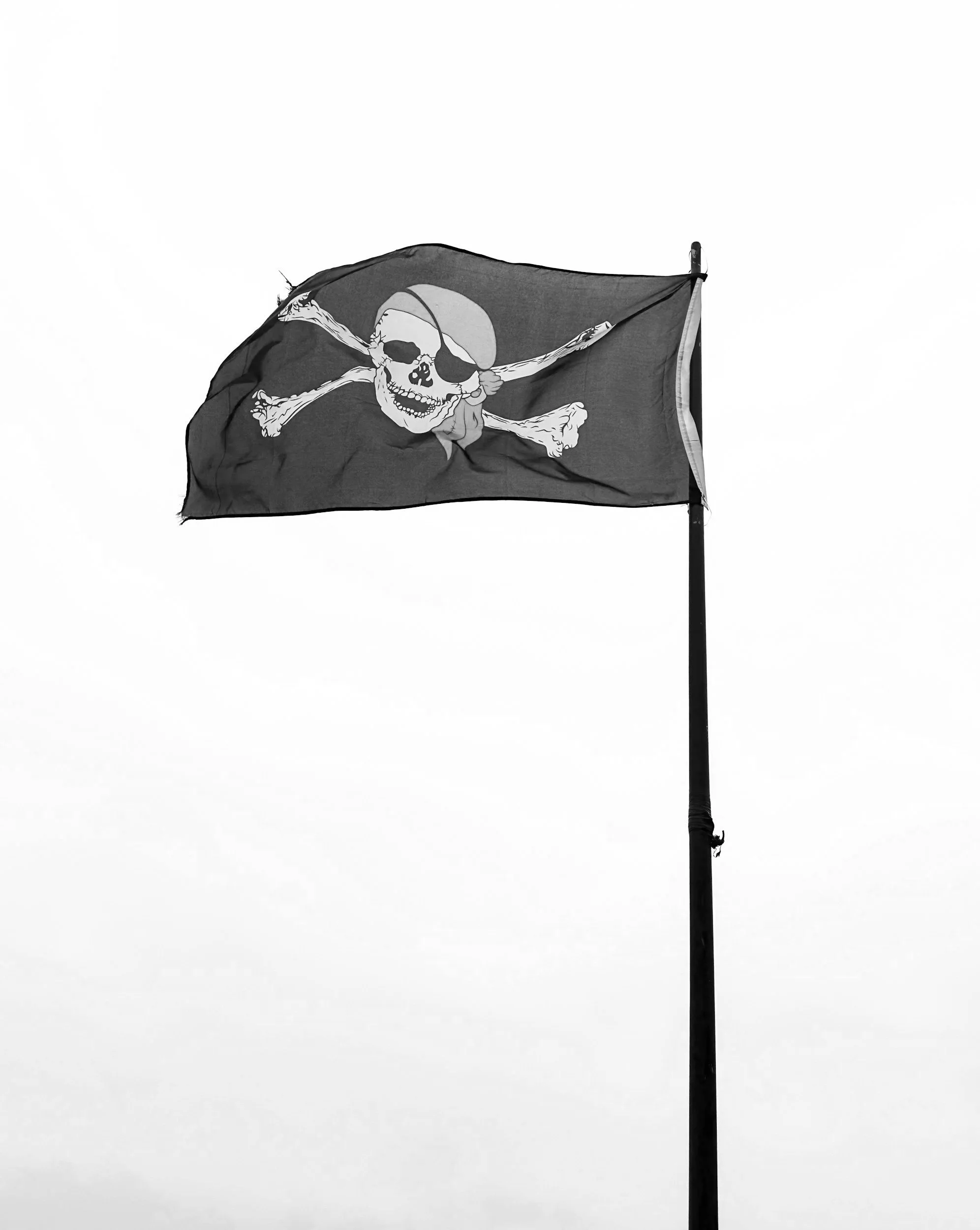
The Young Collectors
Harvey Horswell ran an explorer’s walk around the sculptures, hunting for blocks to build your own sculpture and a self guided tour throughout the day. Our young pirates were also offered packs featuring all of the sculptures in the walk to encourage creativity beyond the fair.
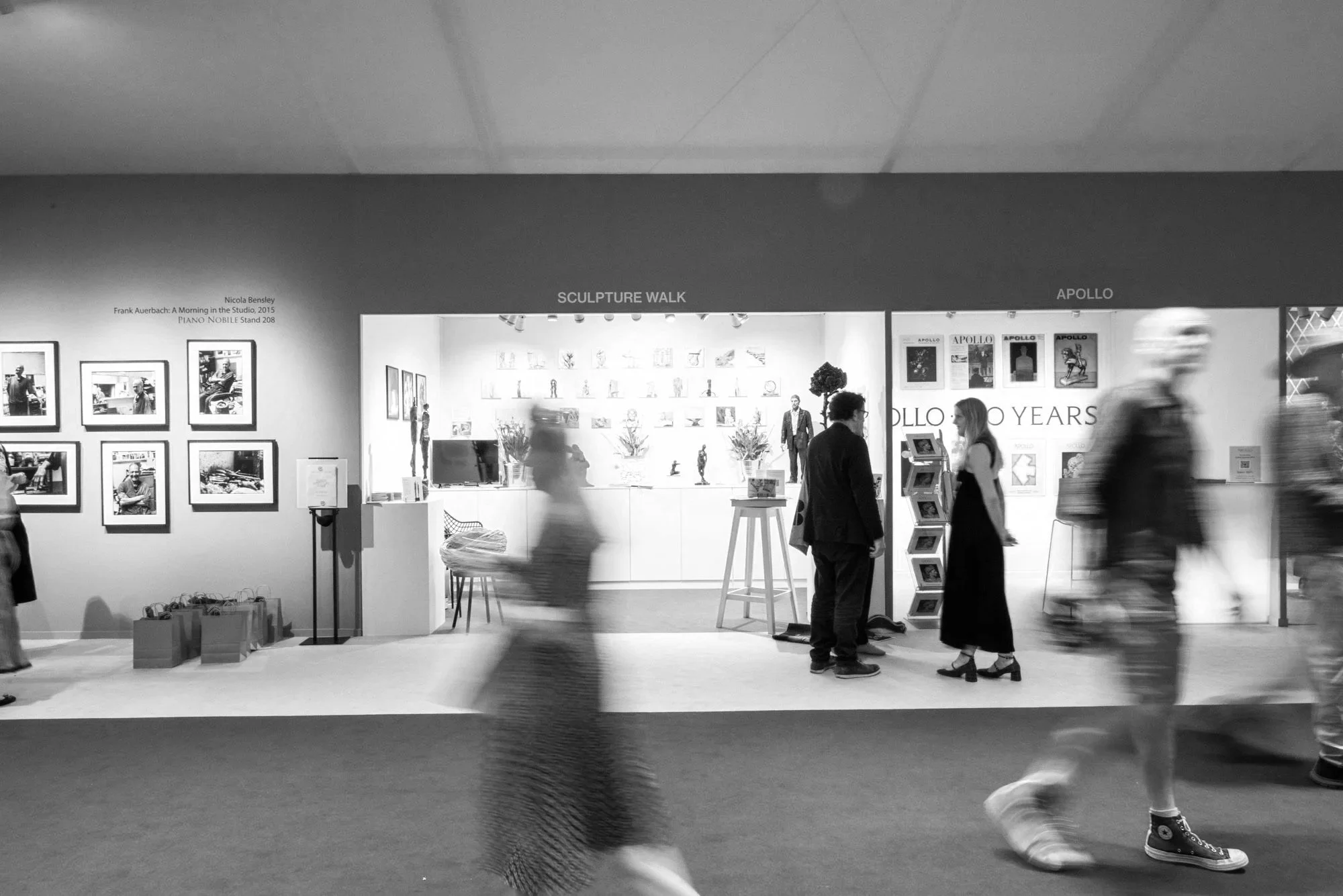
The Visitors
With over 12,000 in-person visitors and 8,000 digital visits the walk was well attended. With dedicated tours daily reaching nearly 400 participants for an hour’s walk around the sculpture and strong sales and direct connections into the artist mailing lists.
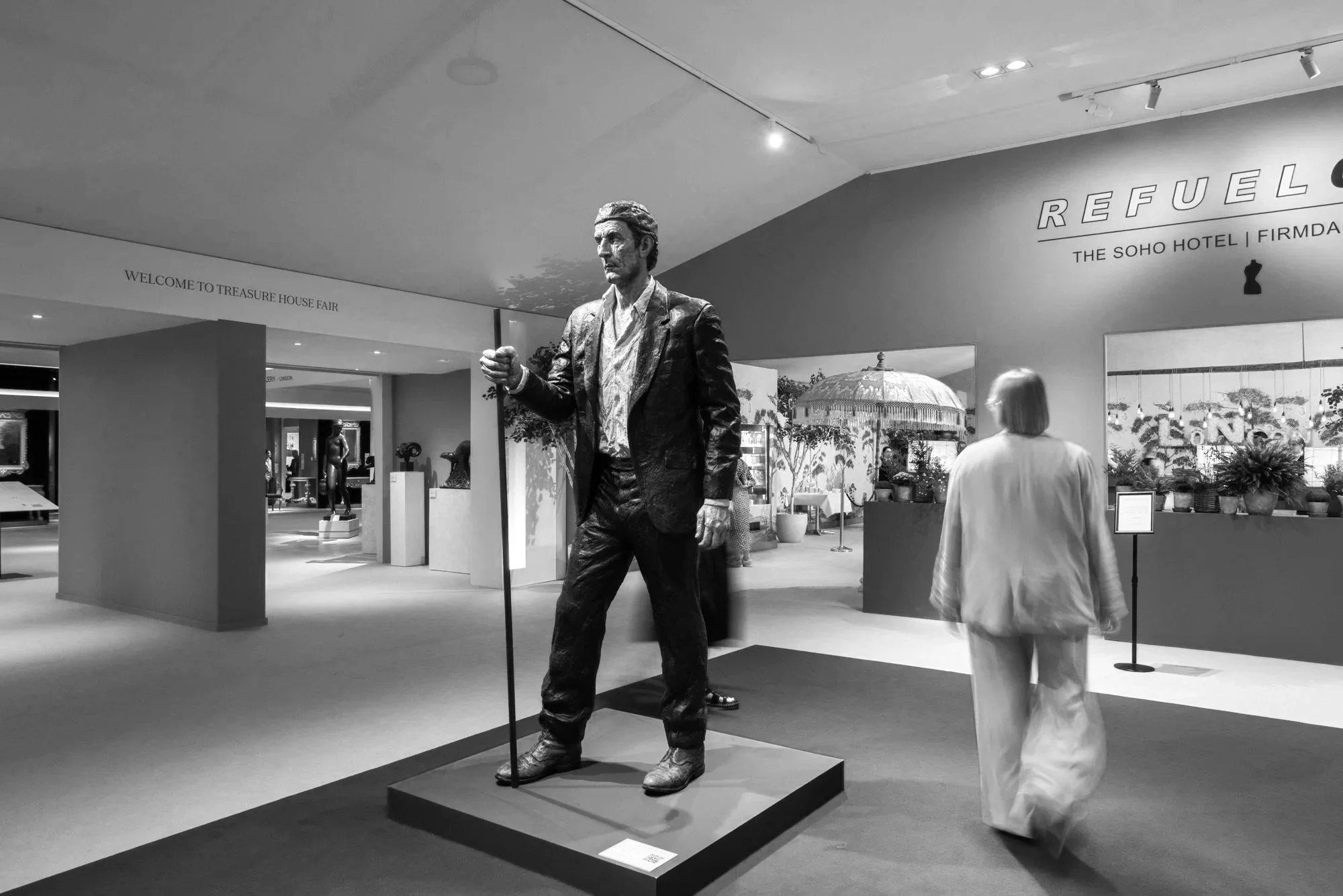
The Works
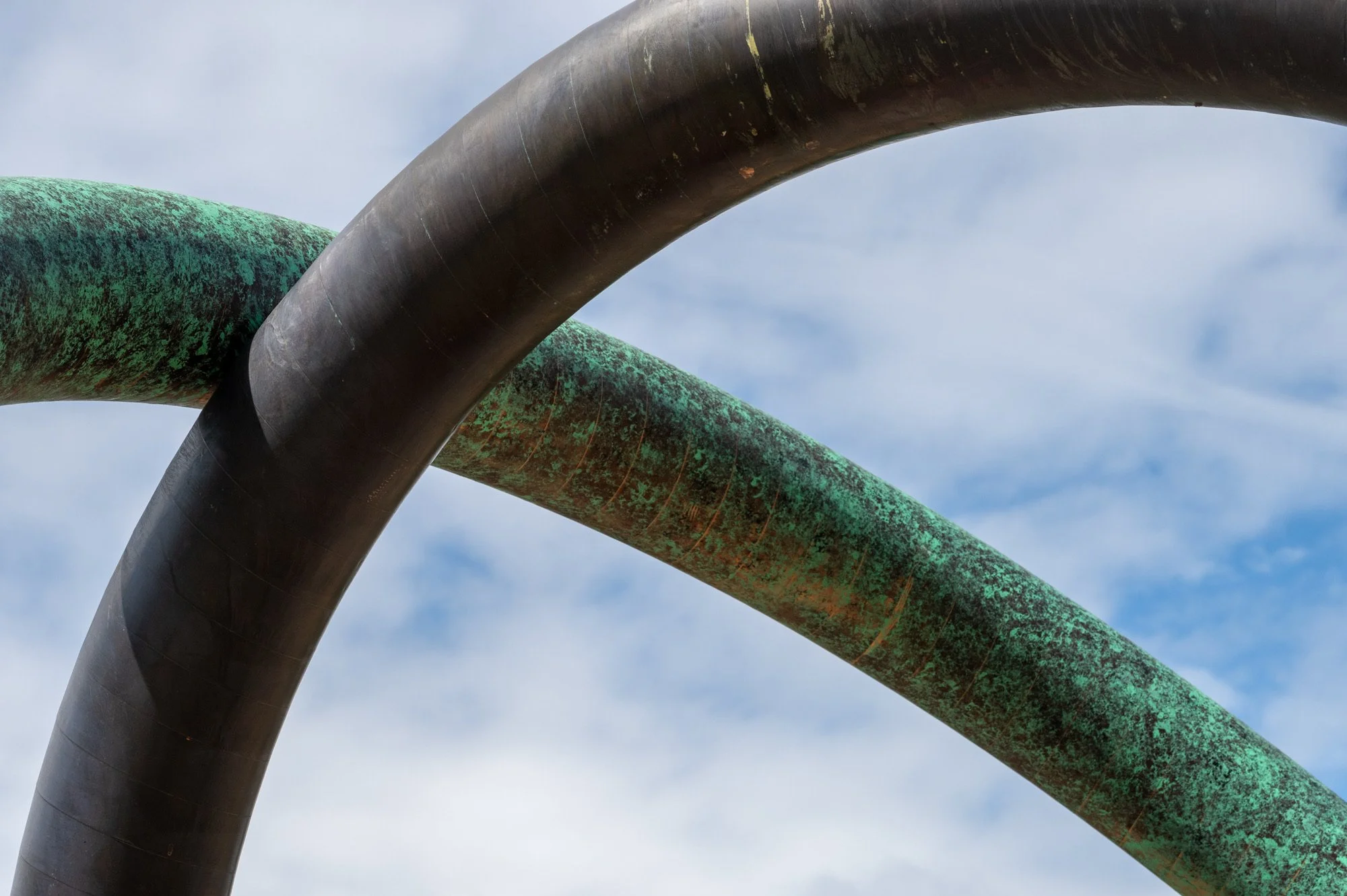
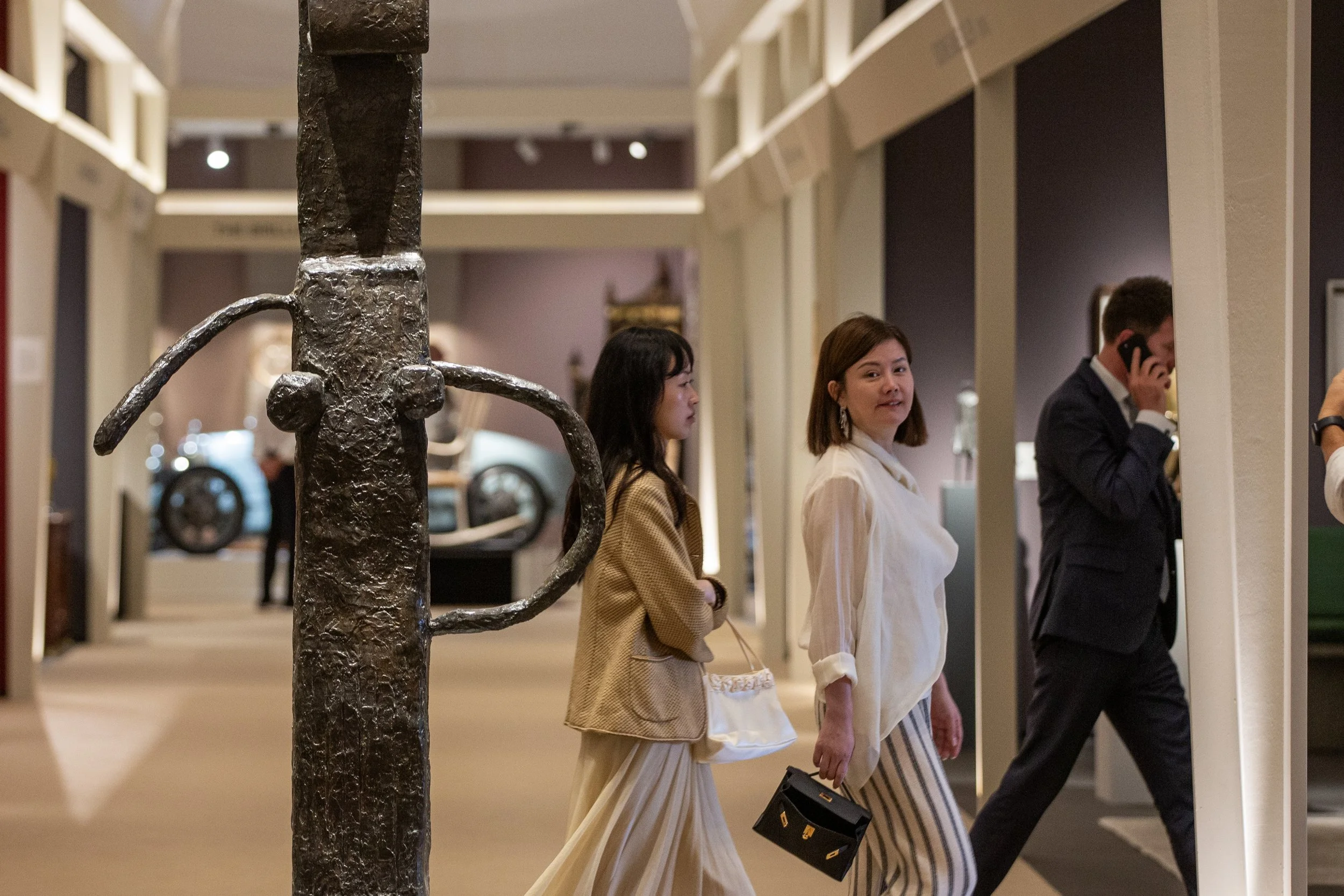
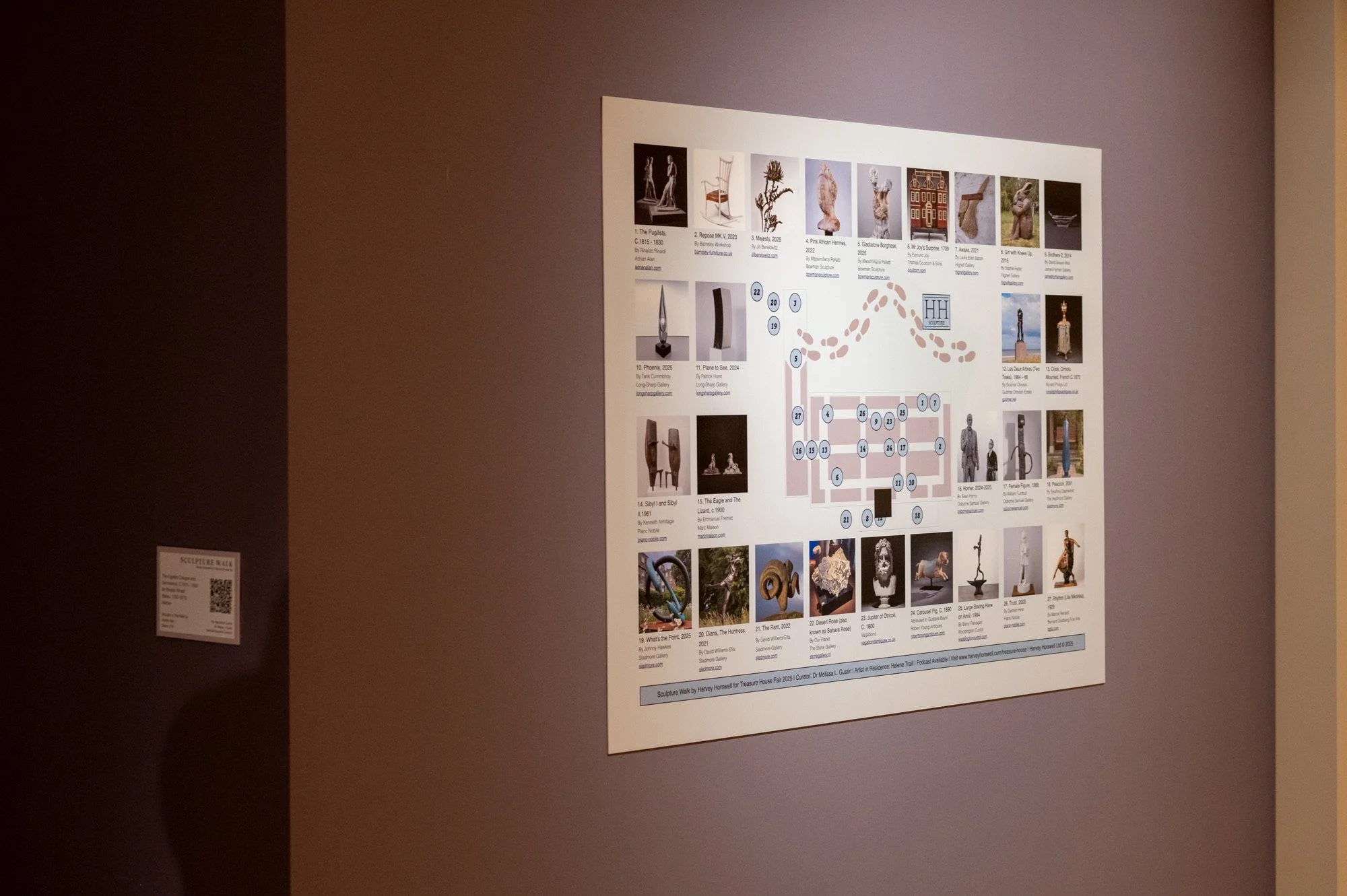
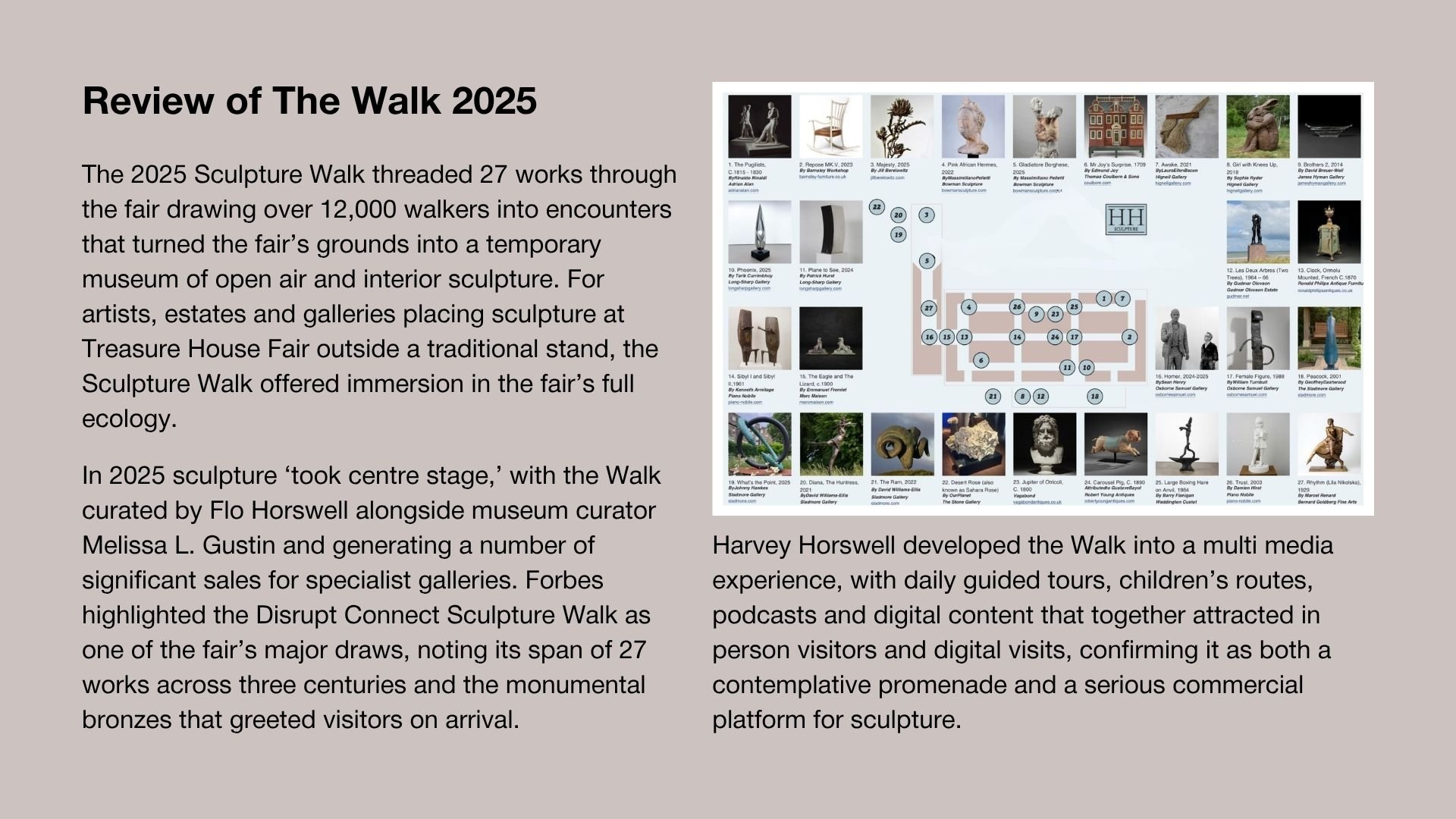
The 27 works were from exhibitors and also from independent artist’s, external galleries and estates. Five of the works were created specially for the fair and shown for the first time, with artist studios based from USA to India and dates from 1709 to today, in 8 different mediums.
-
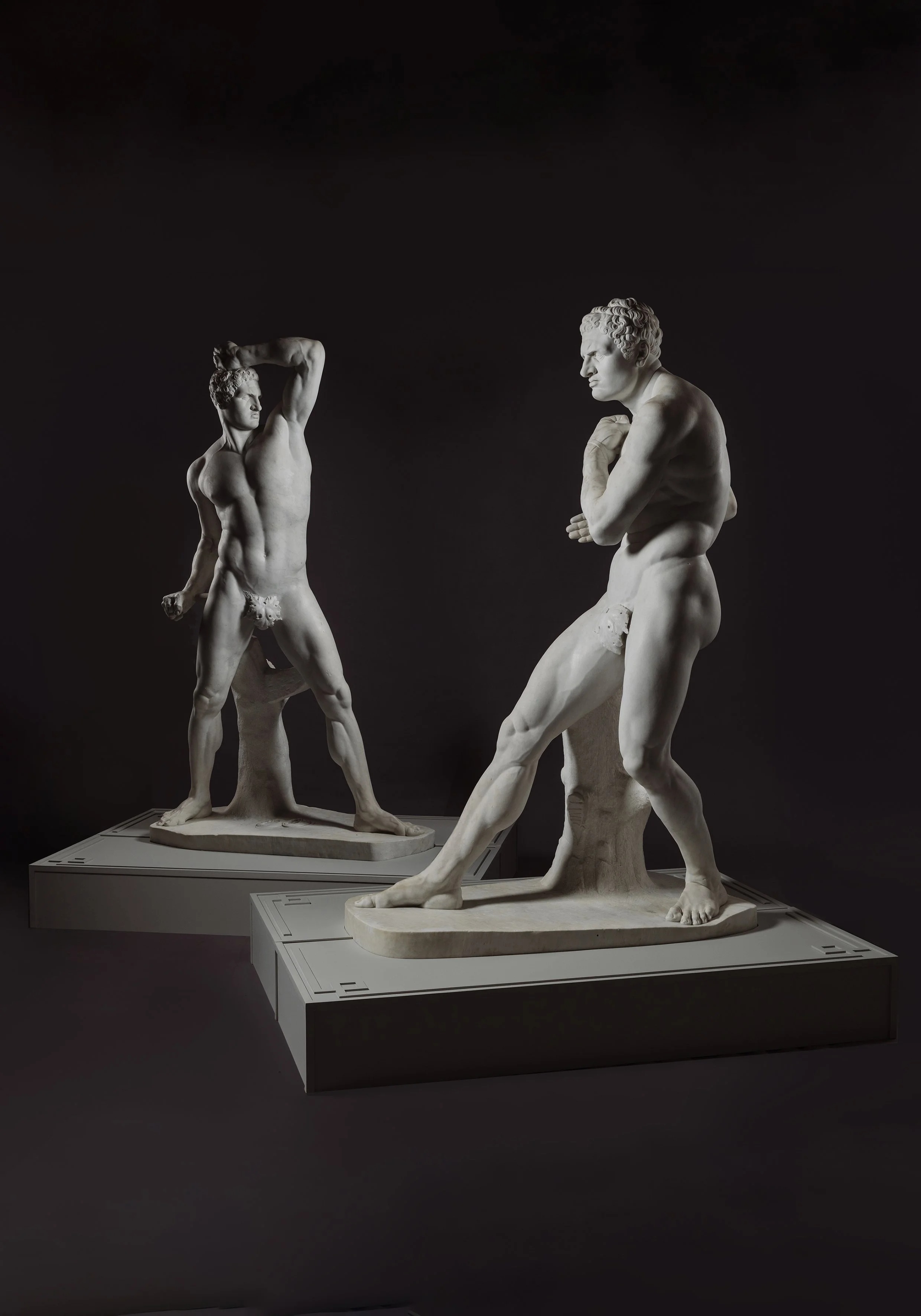
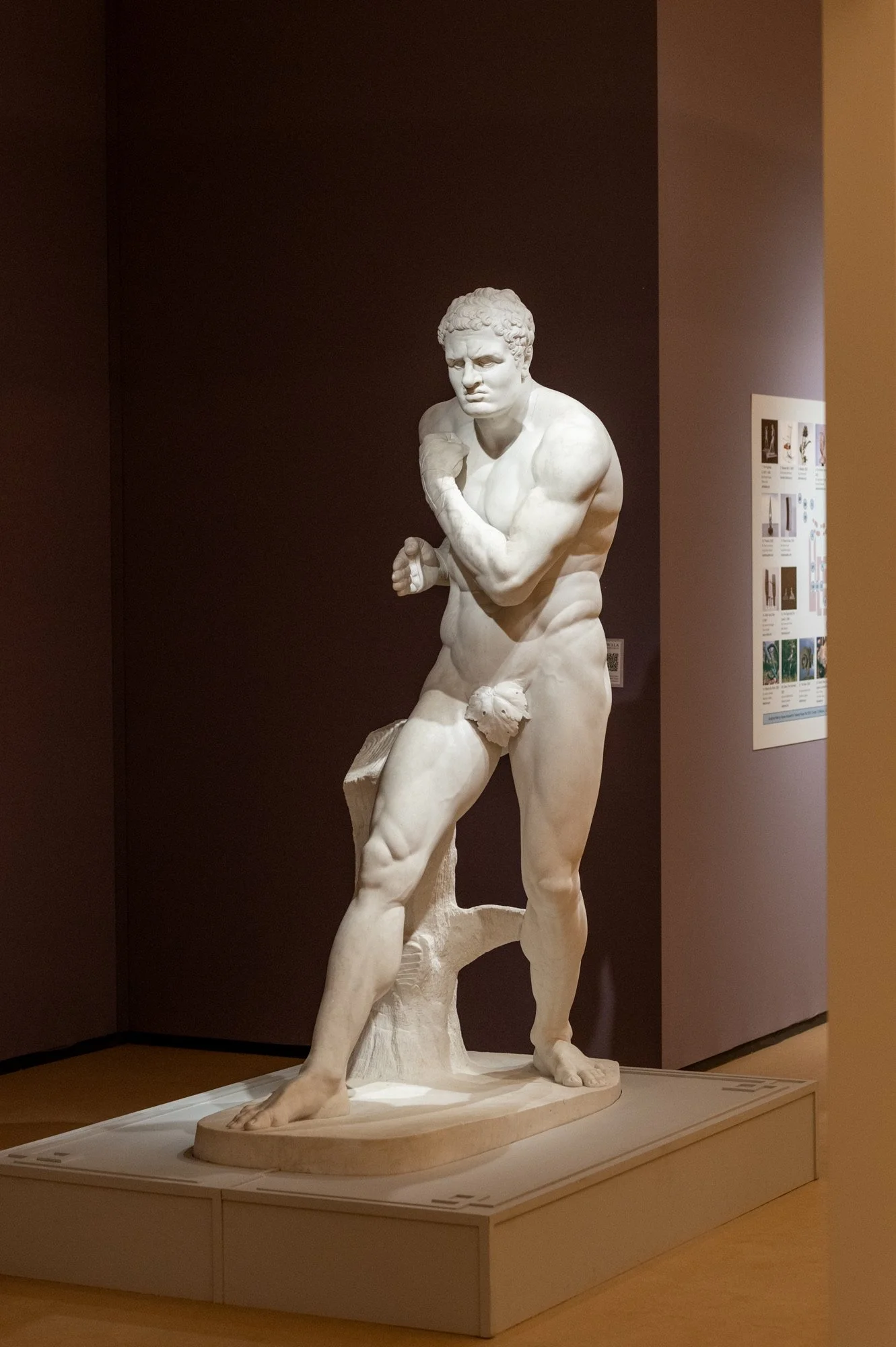
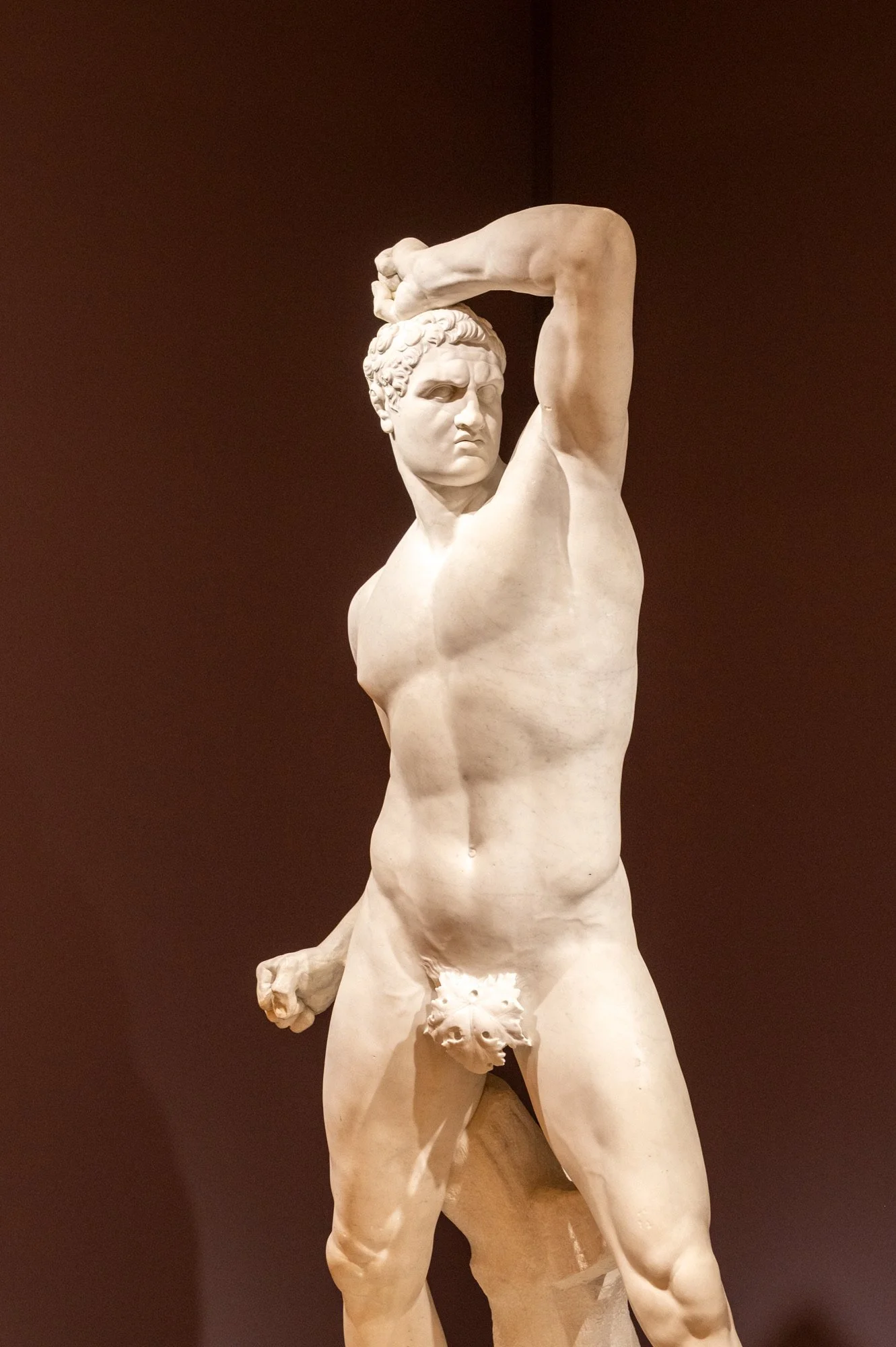
The Pugilists, 1815-1830
By Rinaldo Rinaldi
From Adrian Alan Ltd
-
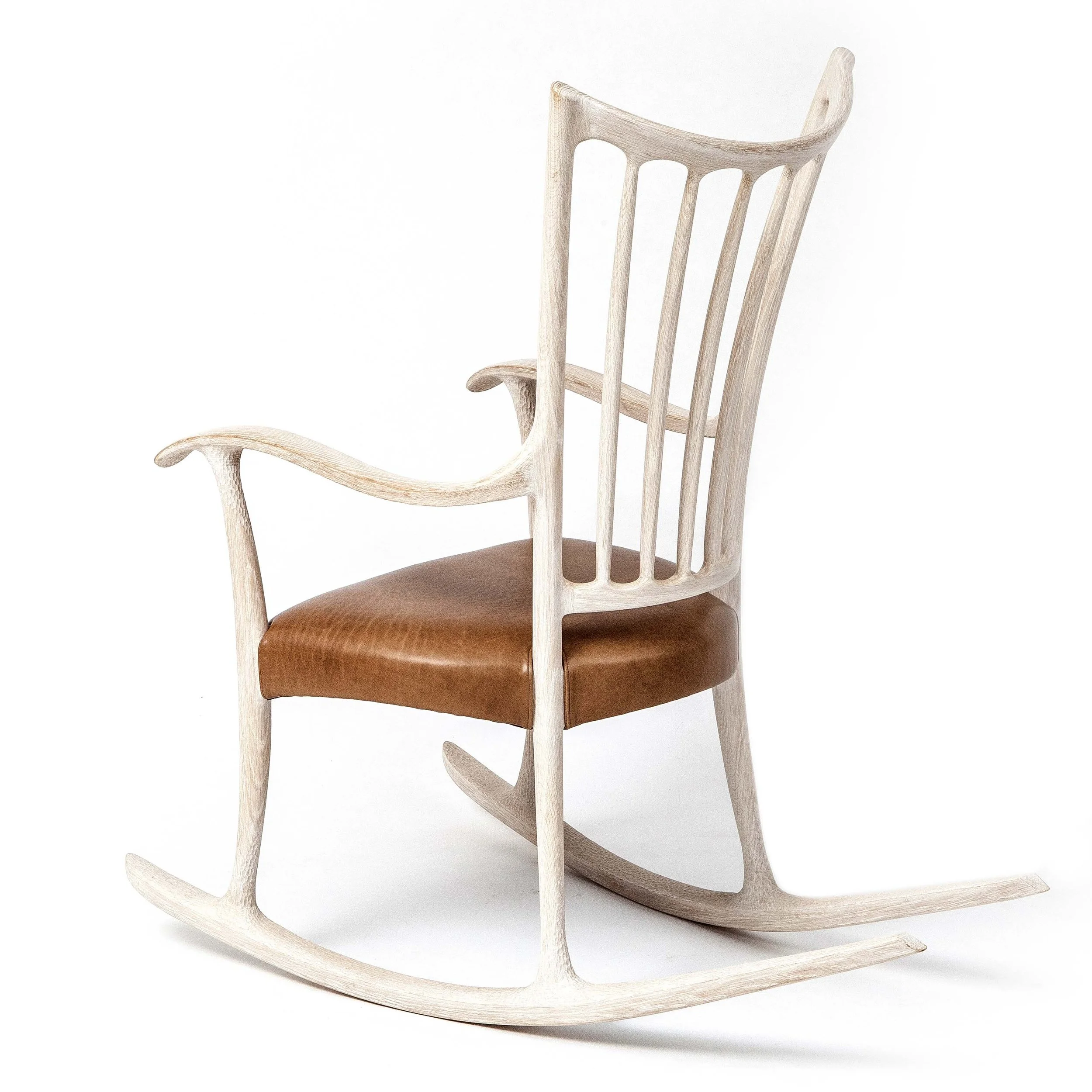
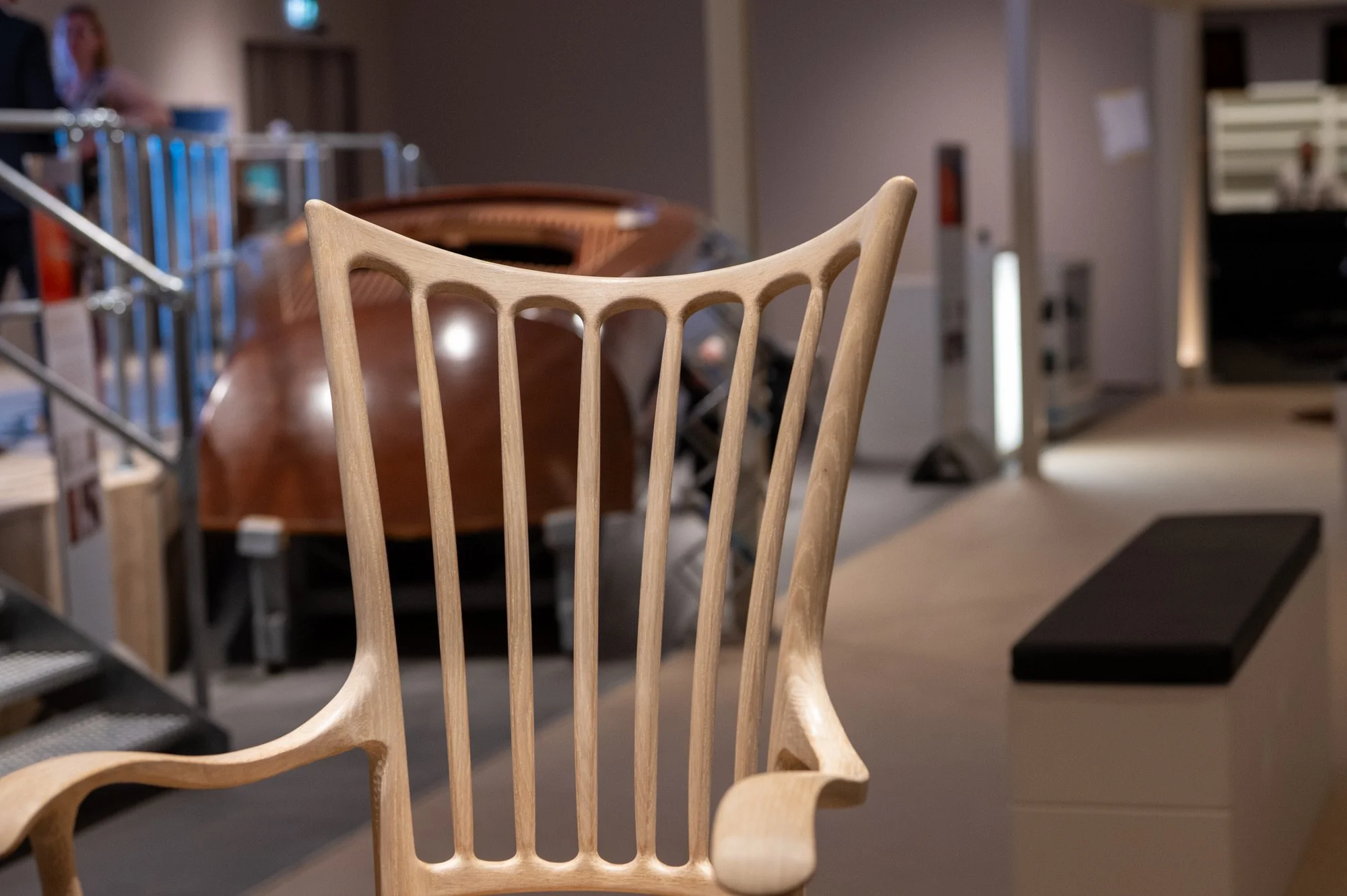
Rocking Chair, Repose MK.V, 2023
Sculpto-Furniture
From Barnsley Workshop
-
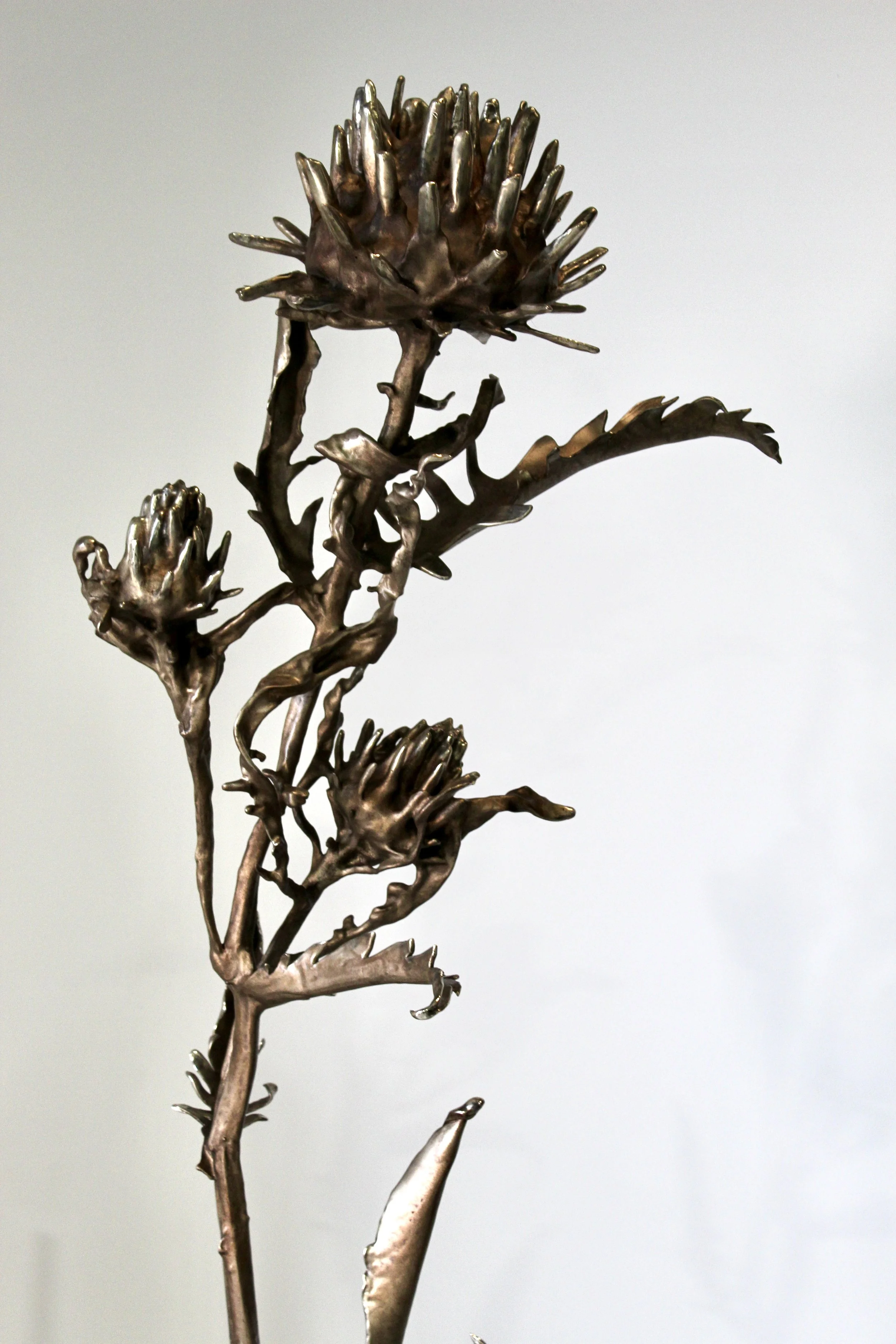
Majesty, Monumental, 2025
By Jill Berelowitz
From the Artist
-
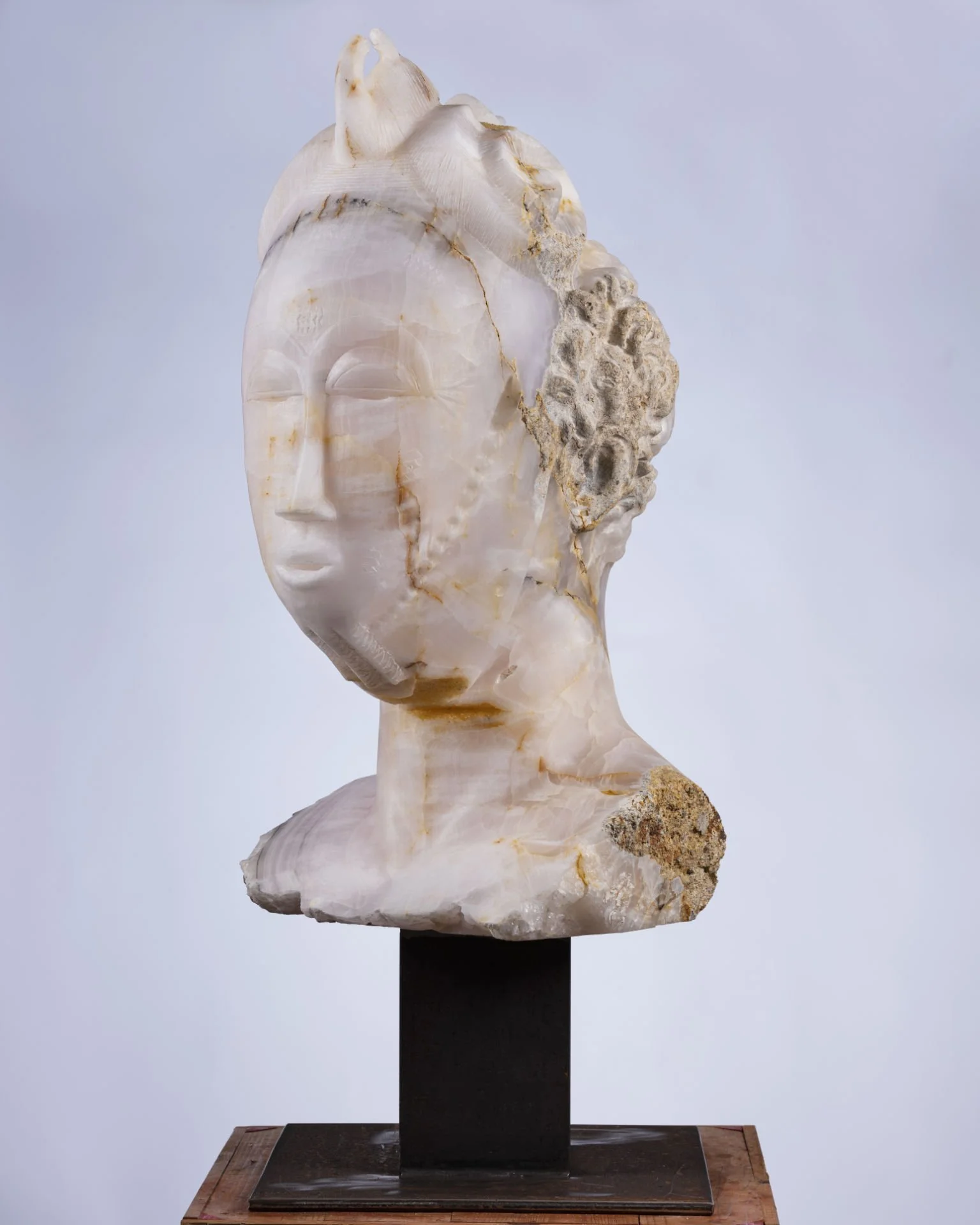
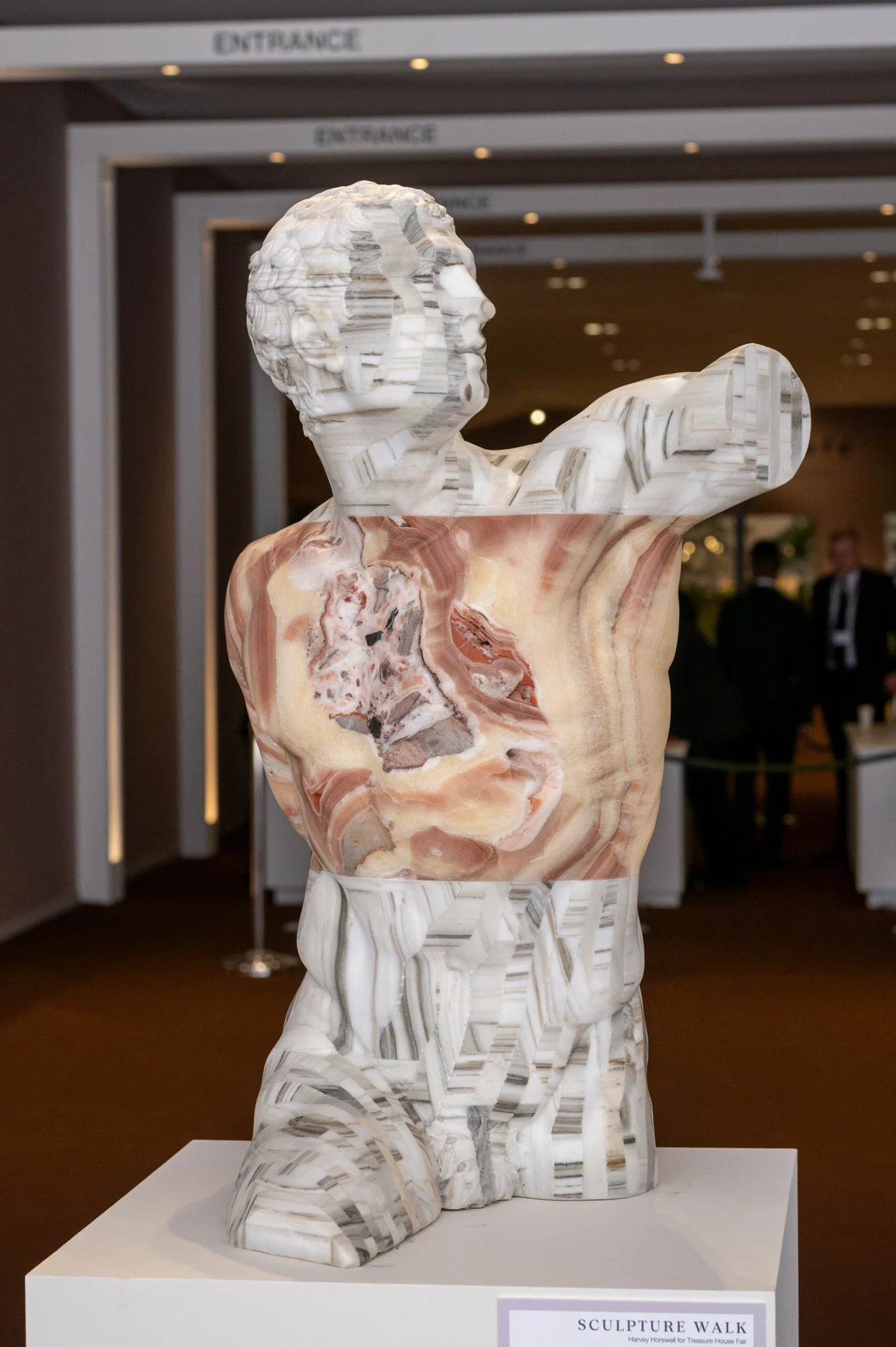
Pink African Hermes, 2022
By Massimiliano Pelletti
From Bowman Sculpture
-
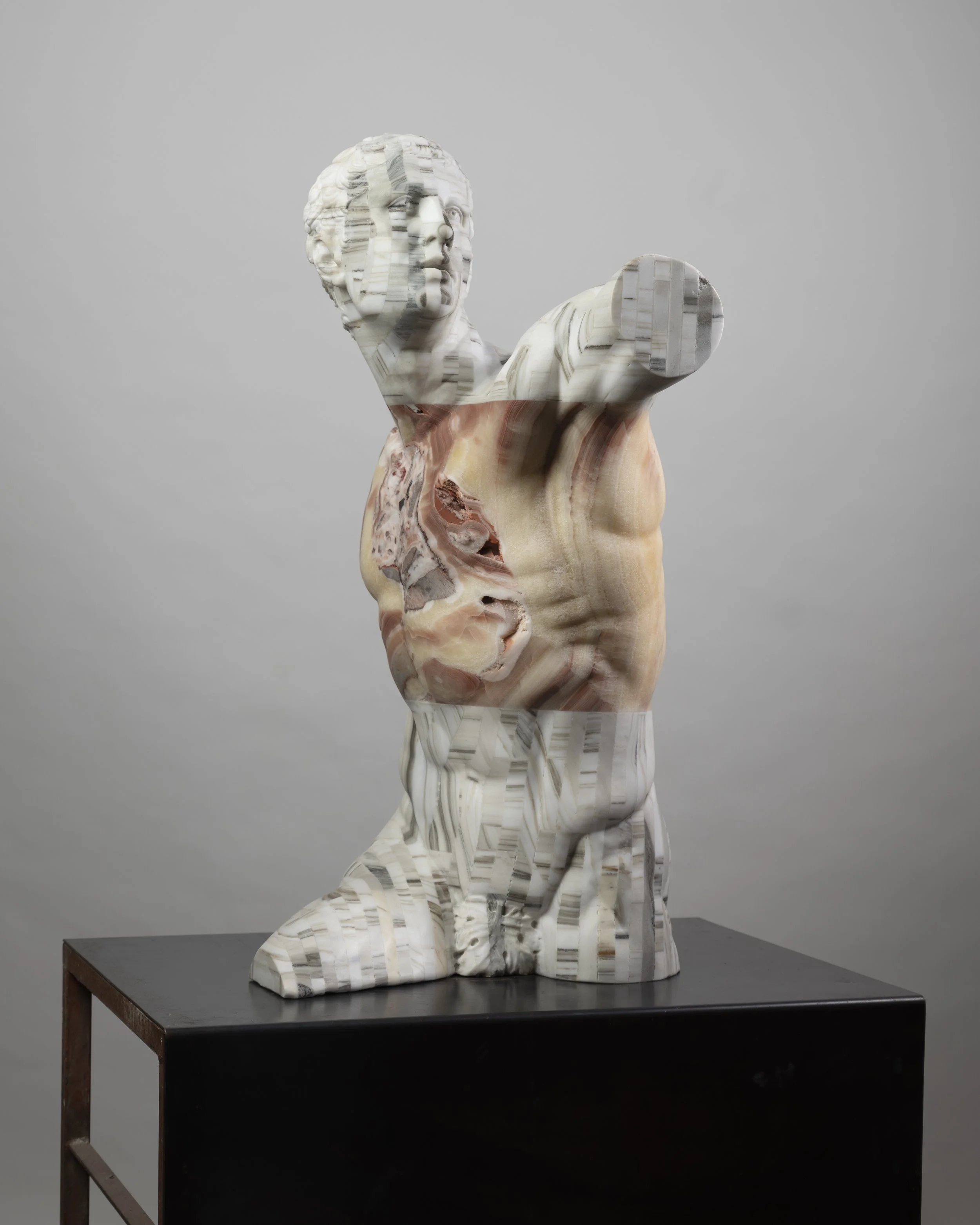
Gladiatore Borghese, 2025
By Massimiliano Pelletti
From Bowman Sculpture
-
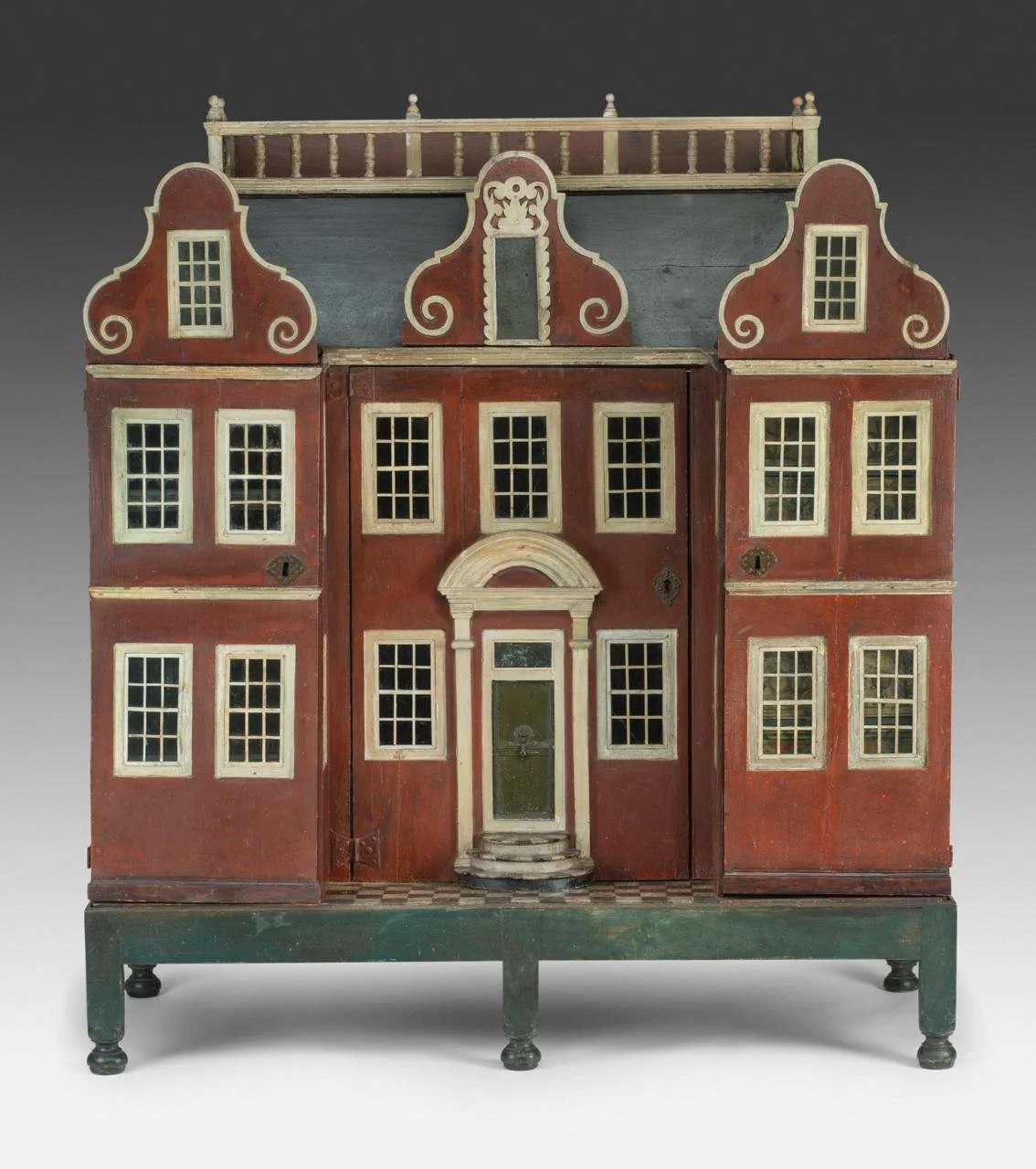
Mr Joy's Surprise, 1709
By Edmund Joy
From Thomas Coulborn
-
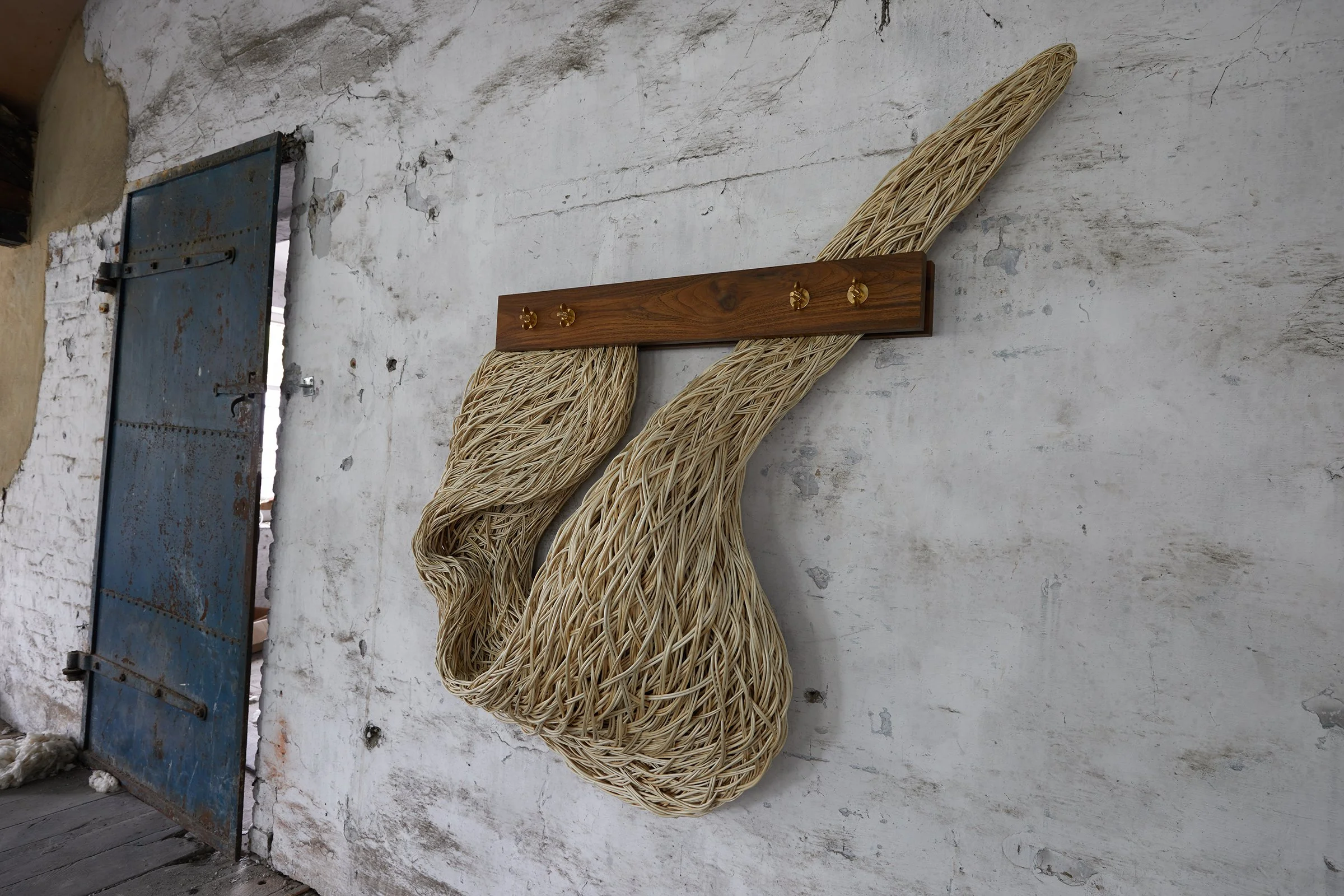
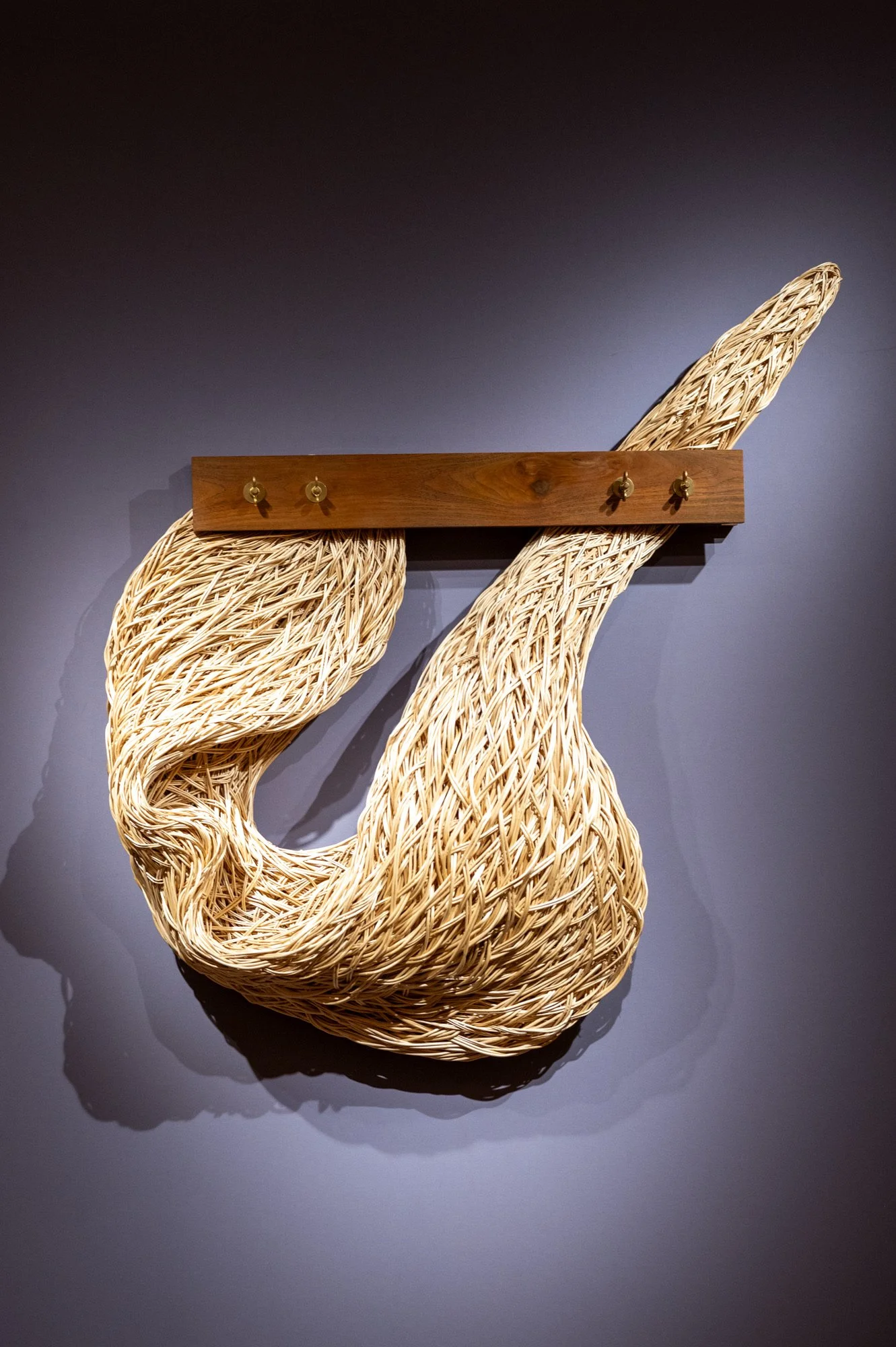
Awake, 2021
By Laura Ellen Bacon
From Hignell Gallery
-

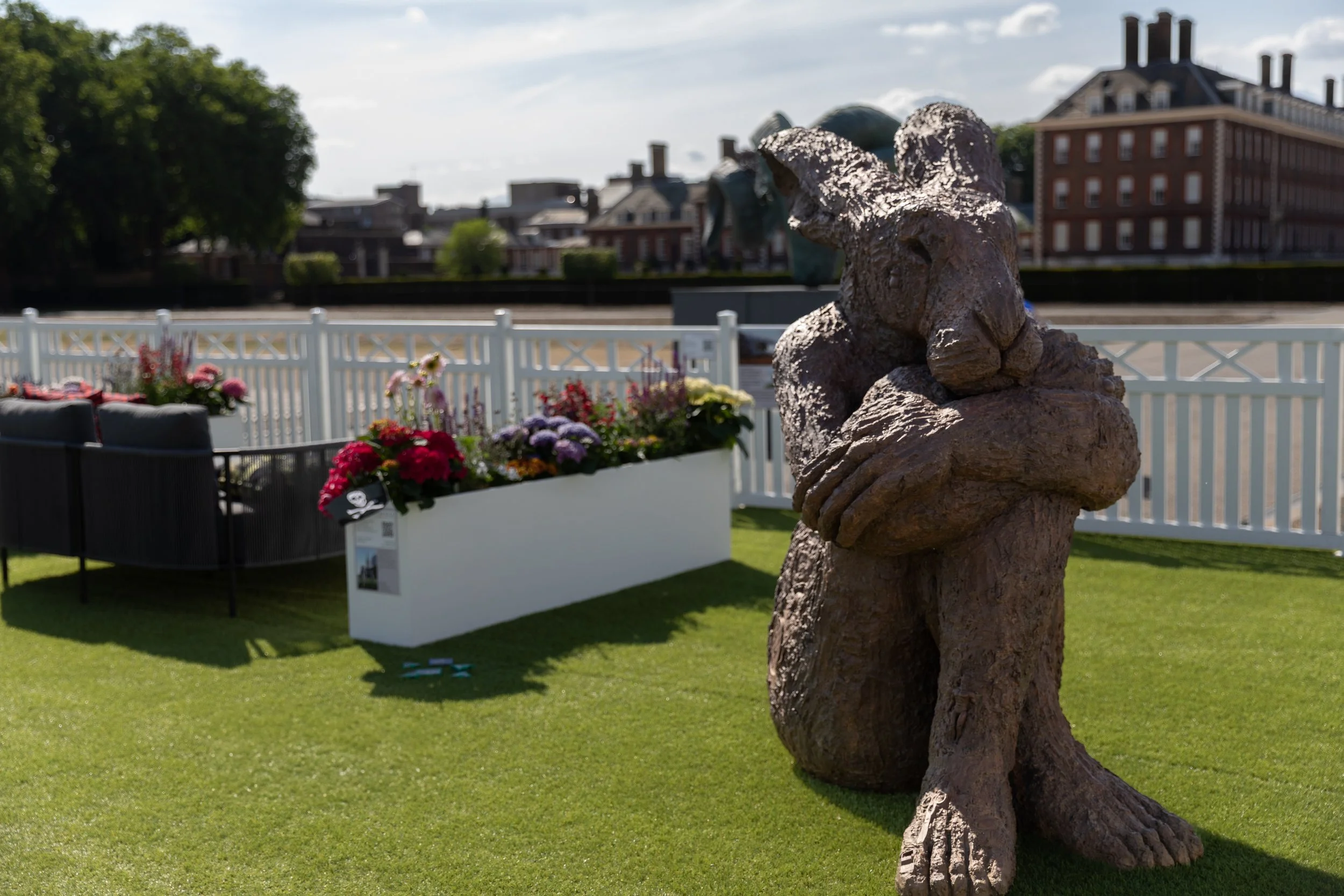
Girl with Knees Up, 2018
By Sophie Ryder
From Hignell Gallery
-
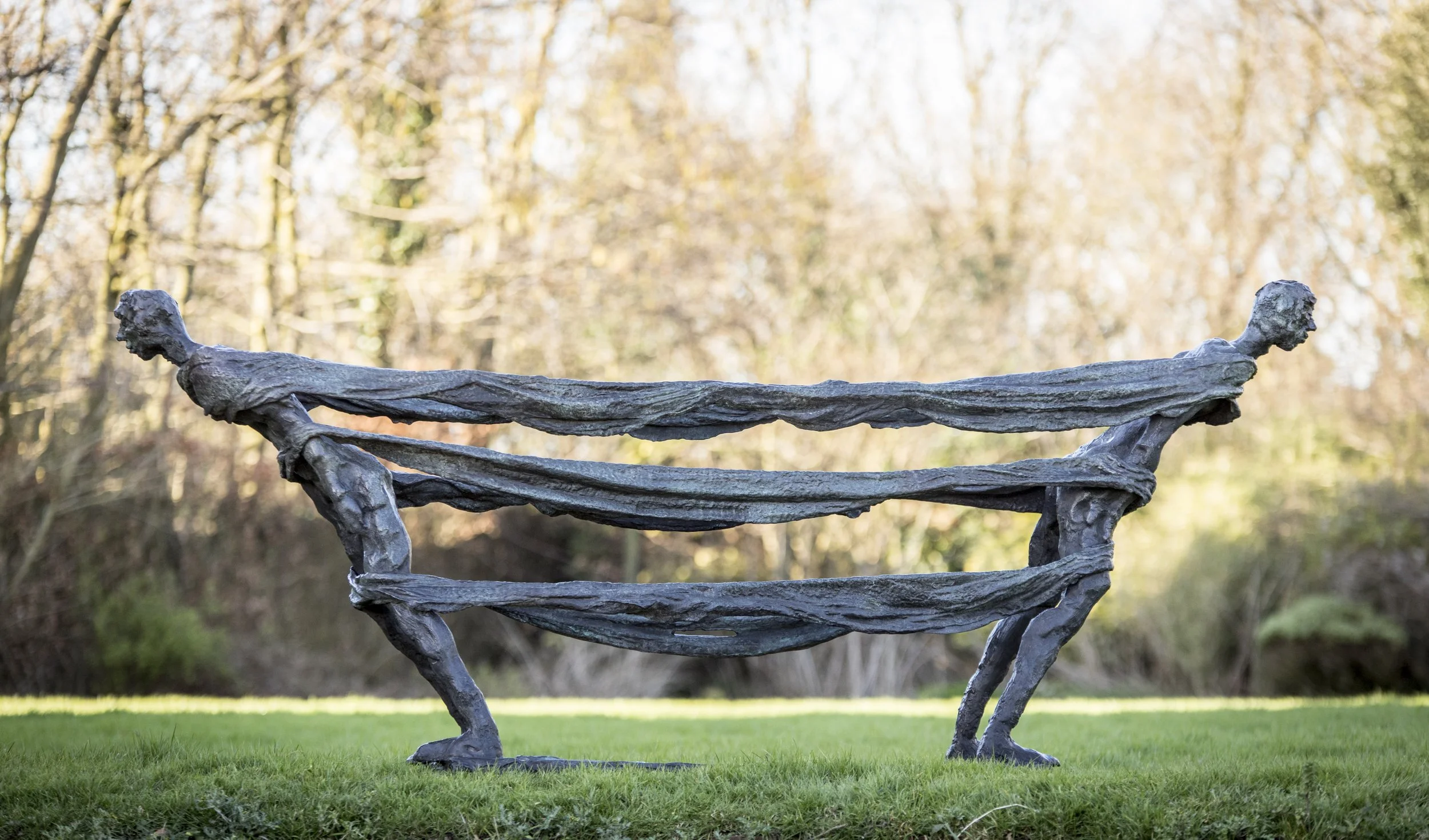
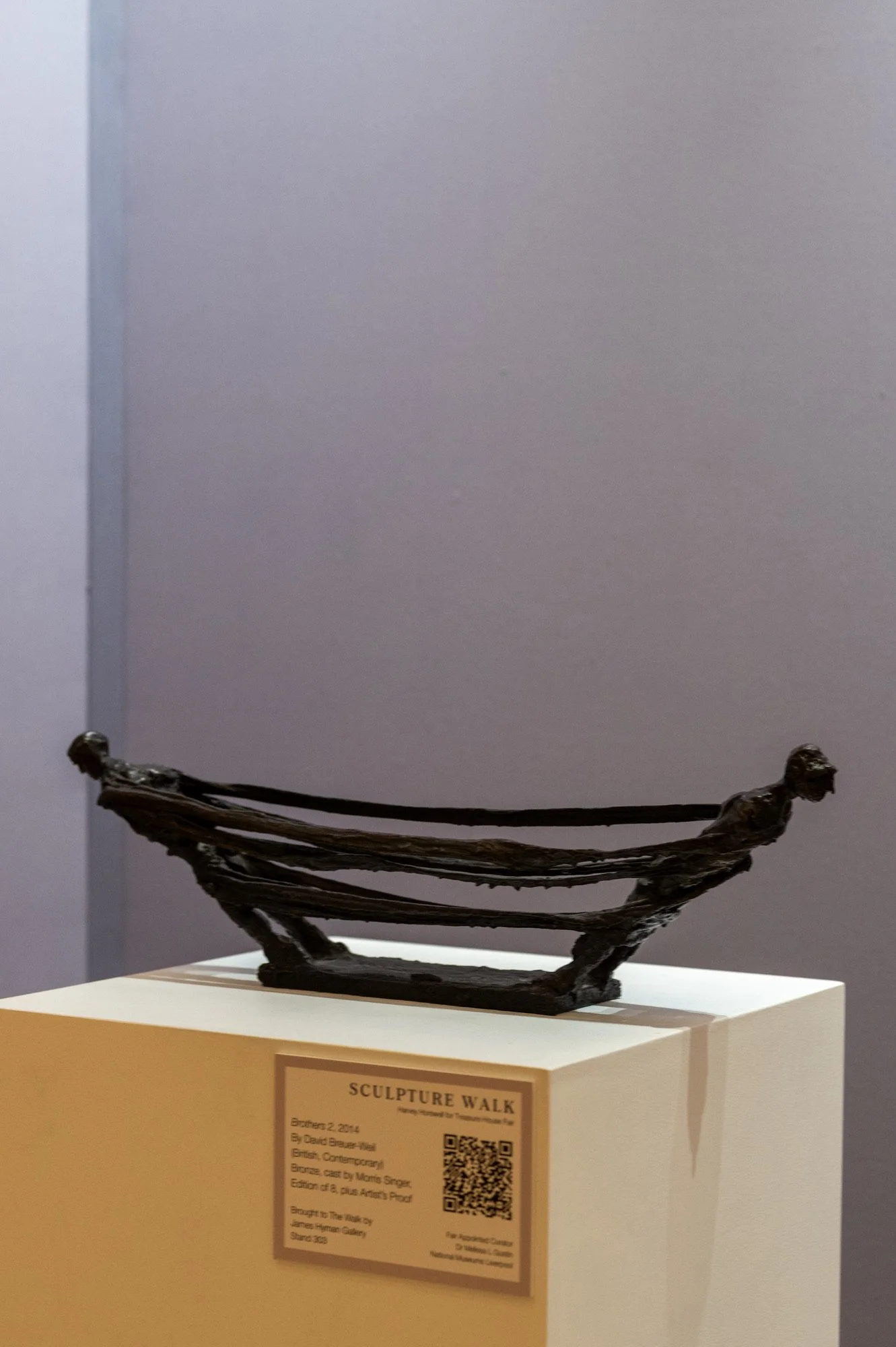
Brothers, 2, 2014
By David Breuer-Weil
From James Hyman Gallery
-
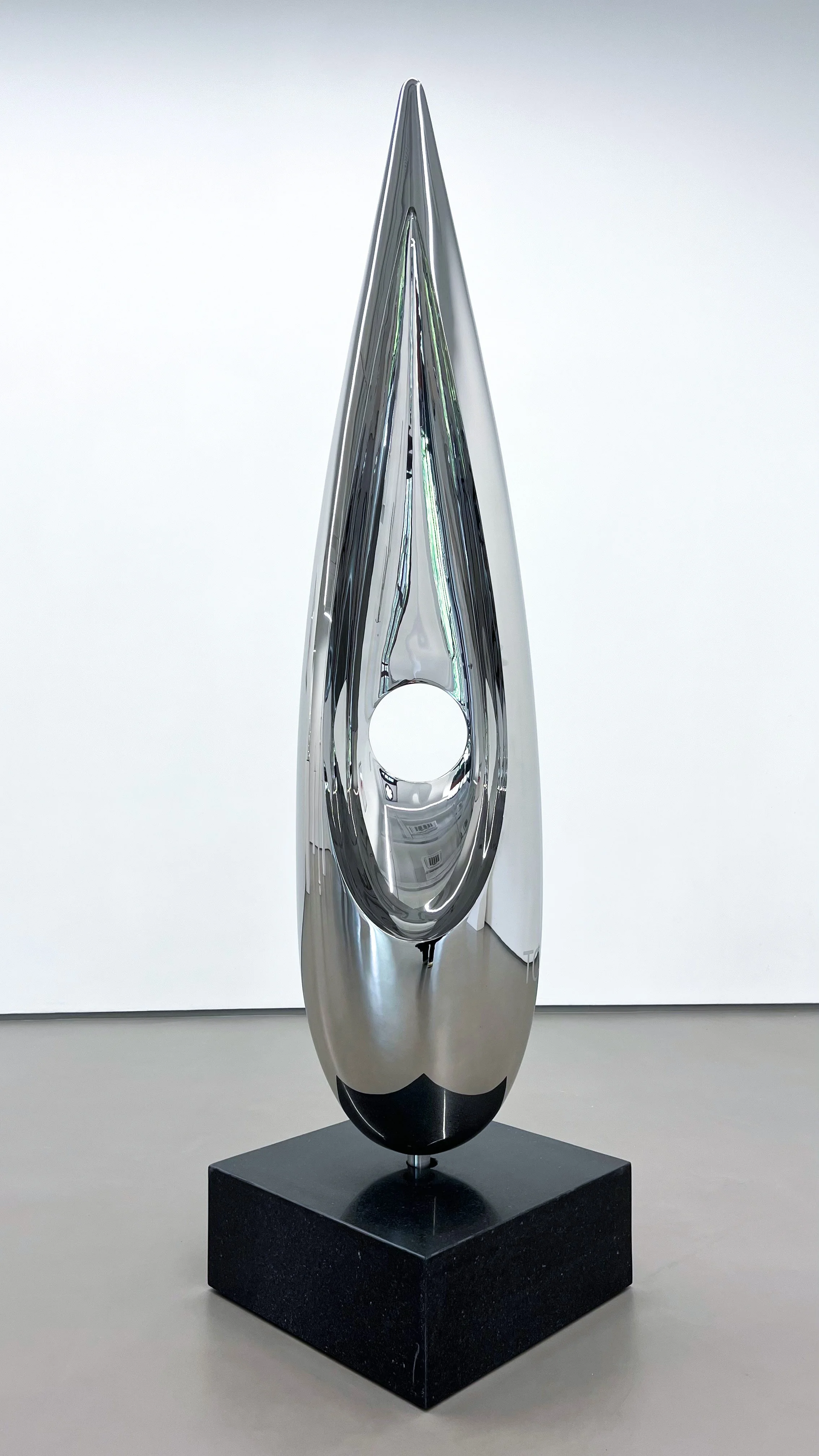
Phoenix, 2025
By Tarik Currimbhoy
From Long-Sharp Gallery
-
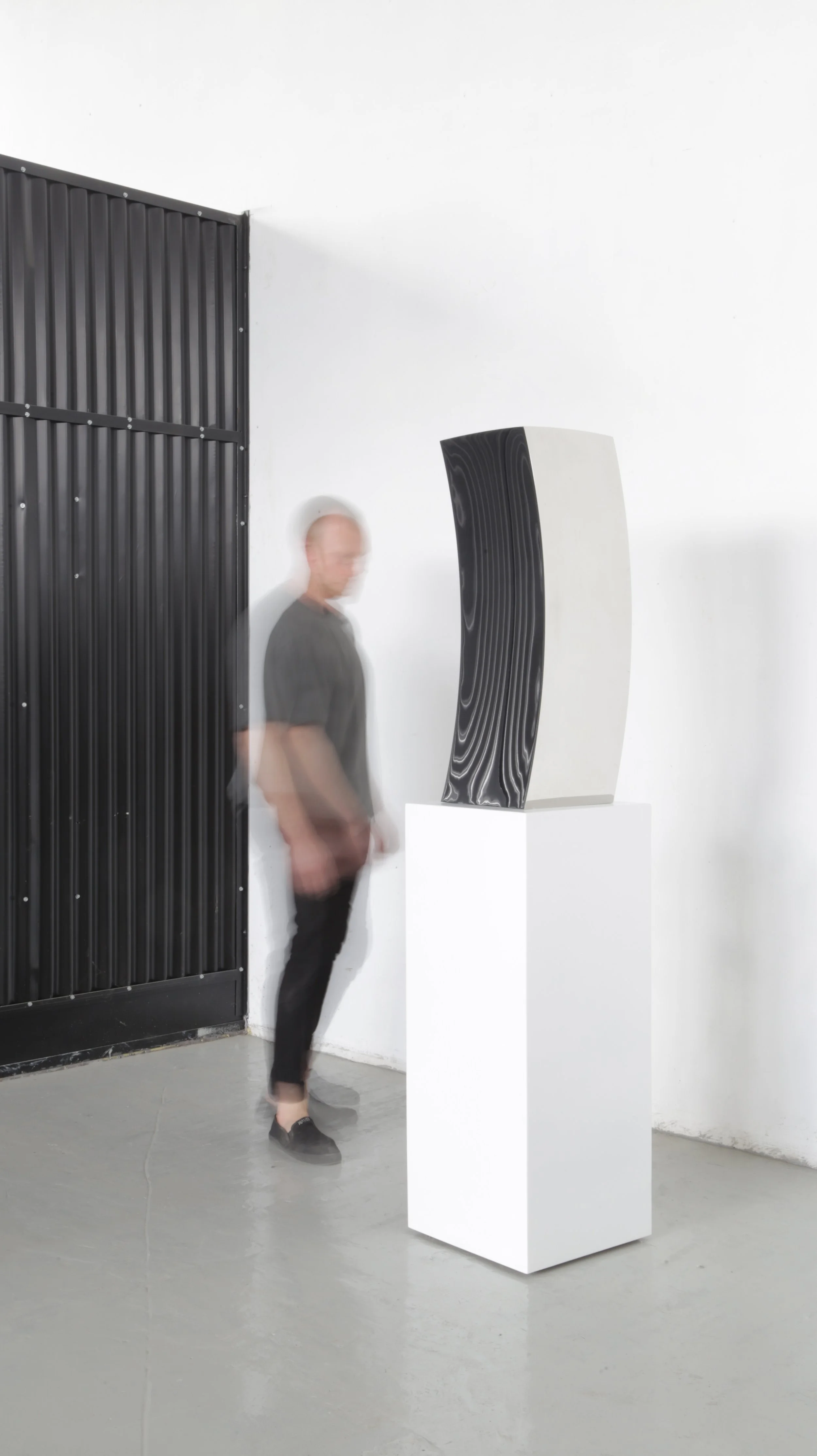
Plane to See, 2024
By Patrick Hurst
From Long-Sharp Gallery
-
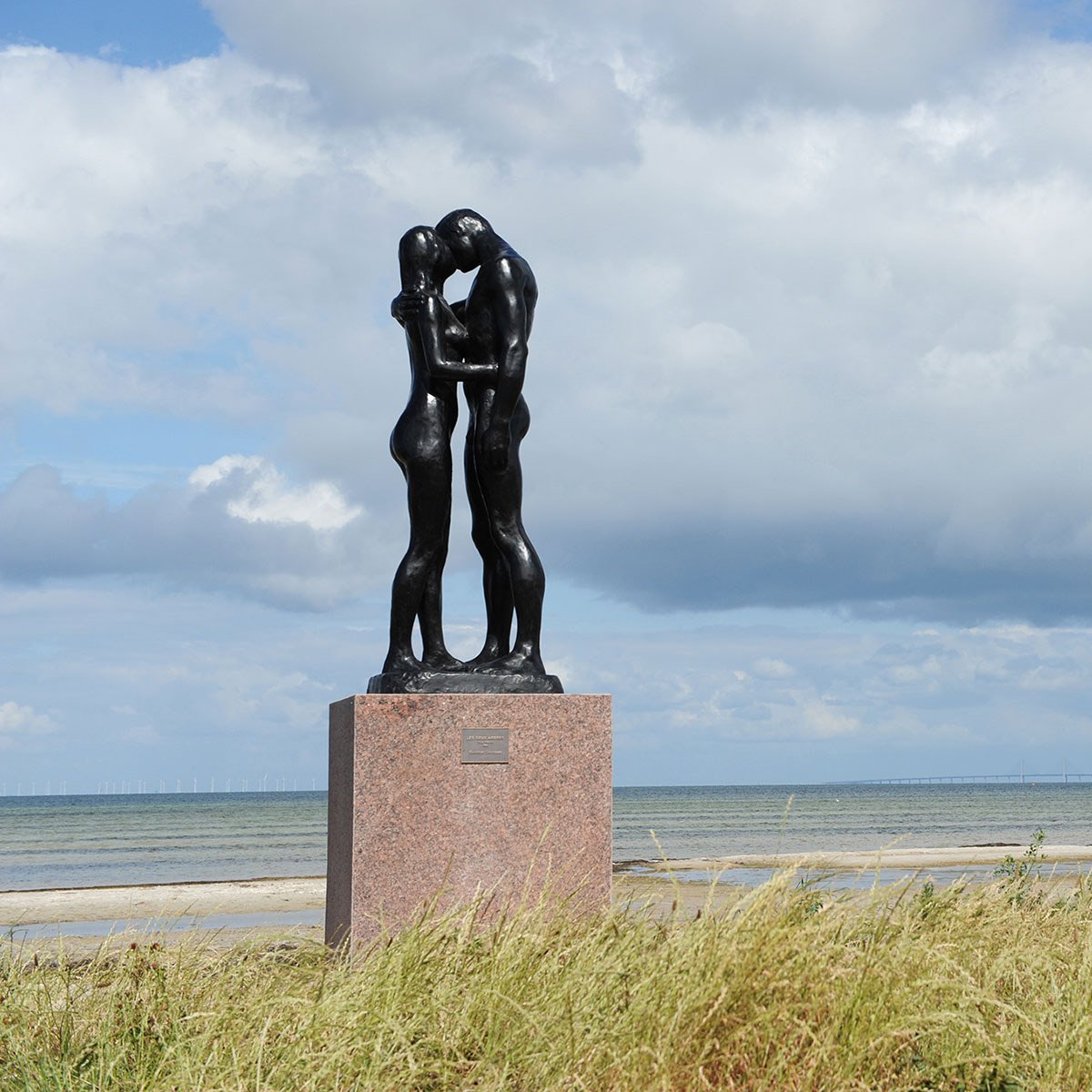
Two Trees, 1964
By Gudmar Olovson
From his Estate
-

Food Warmer, 1785
Newby Hall
From Ronald Philips
-
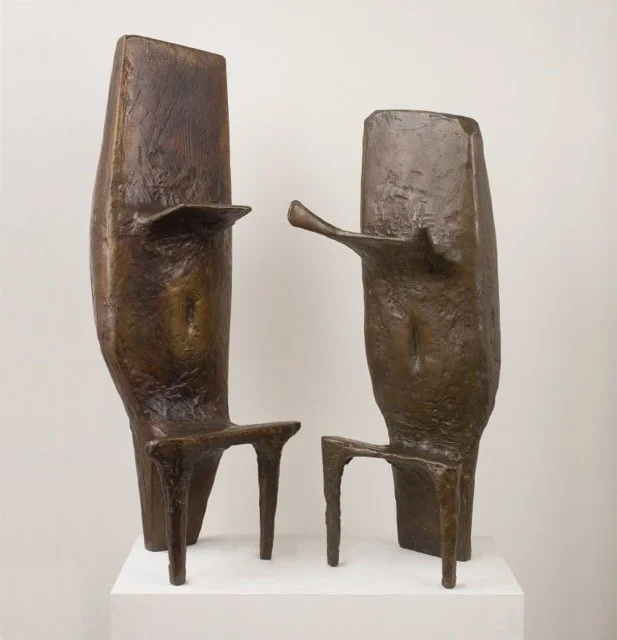
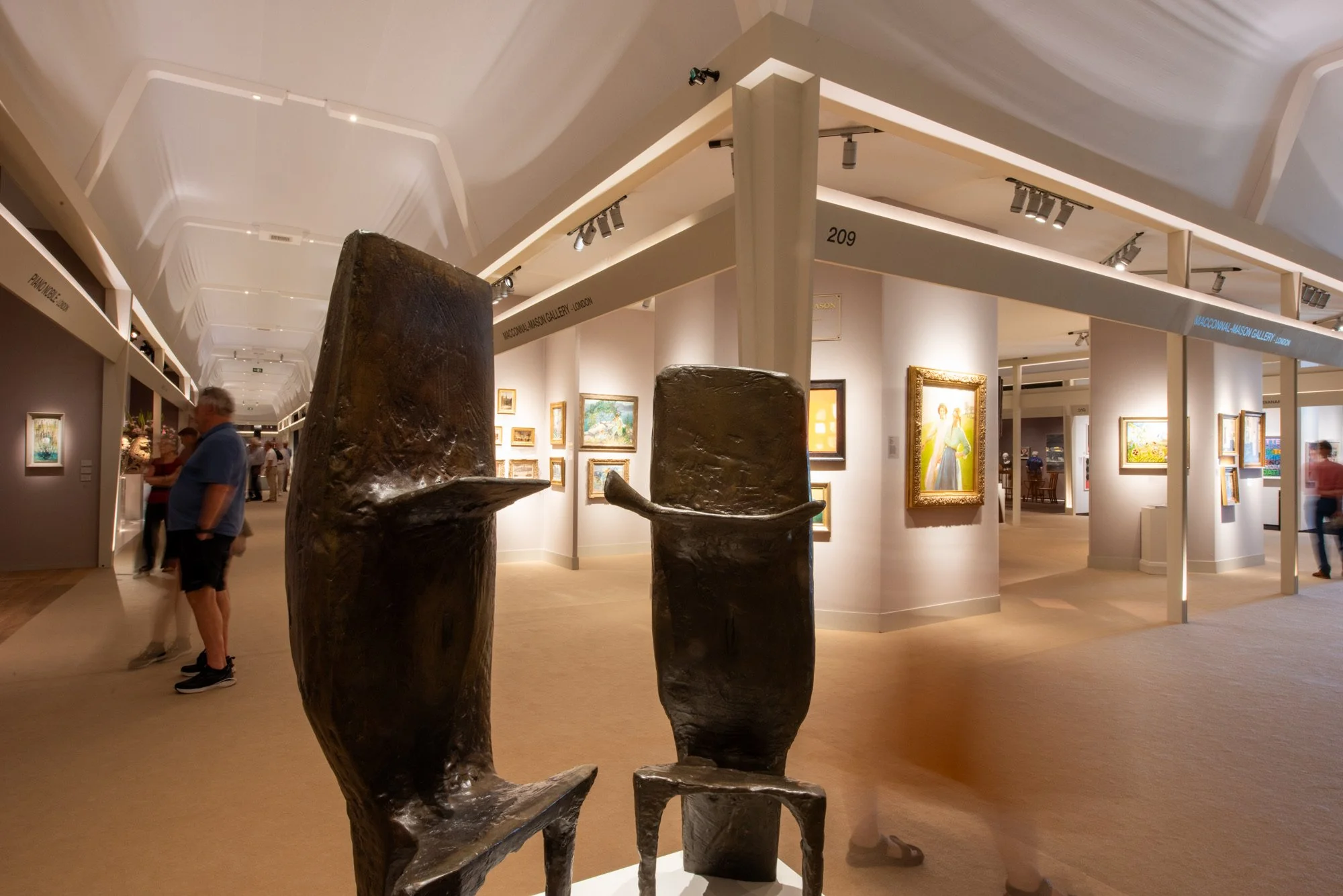
Sibyl I & Sibyl II
By Kenneth Armitage
From Piano Nobile
-
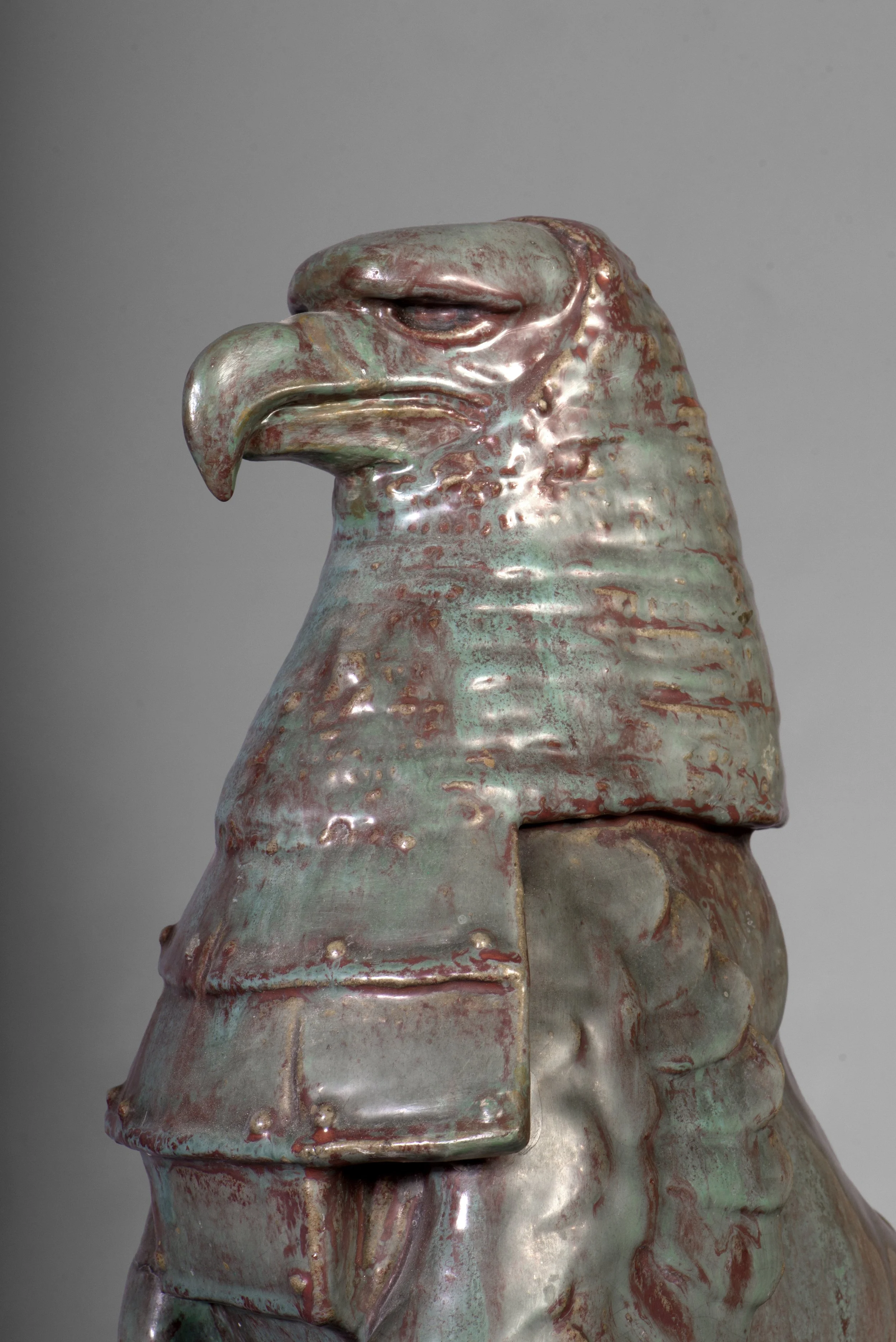
The Eagle and the Lizard, c.1900
By Emmauel Fremiet
From Marc Maison
-
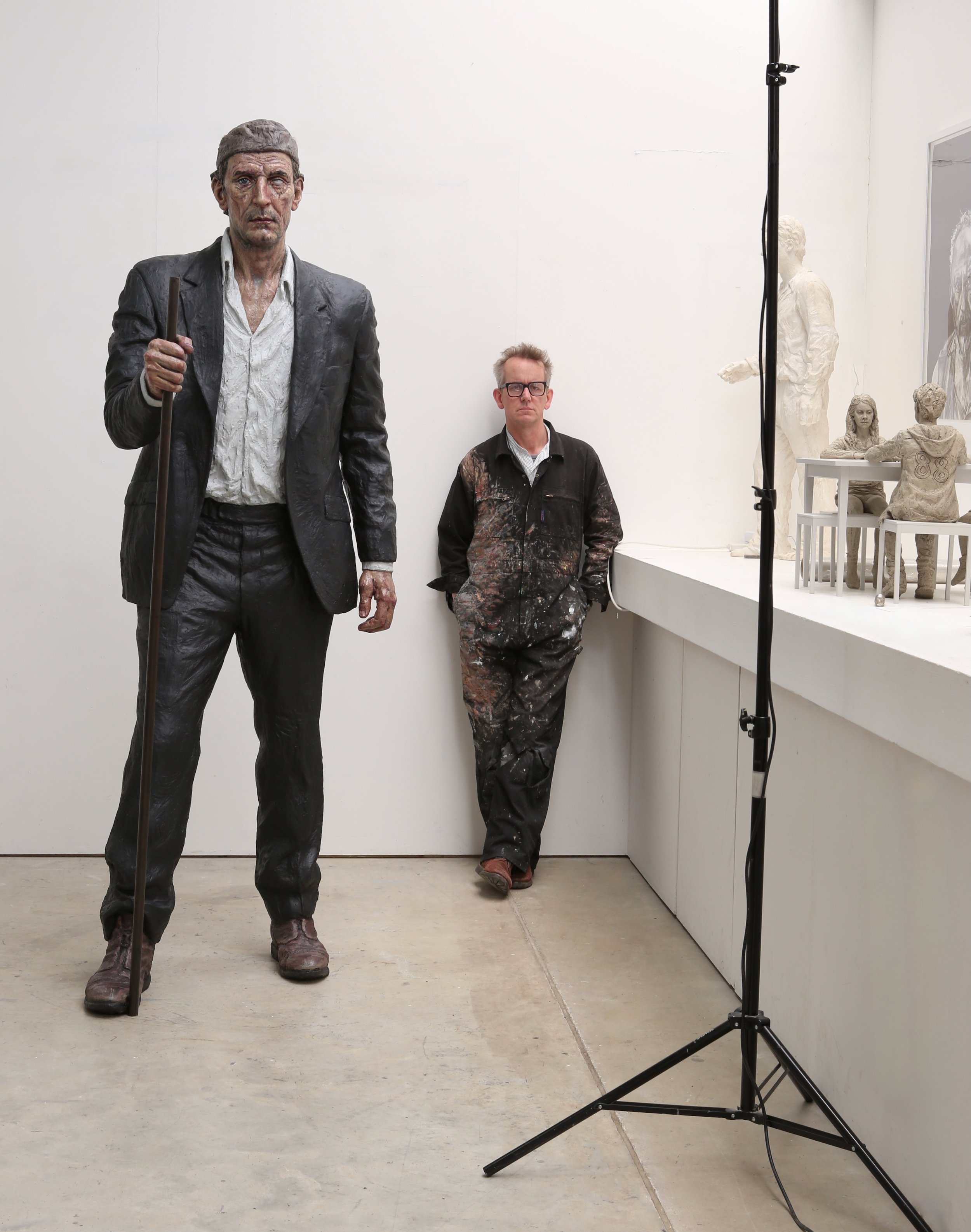
Homer, 2025
By Sean Henry
From Osborne Samuel Gallery
-
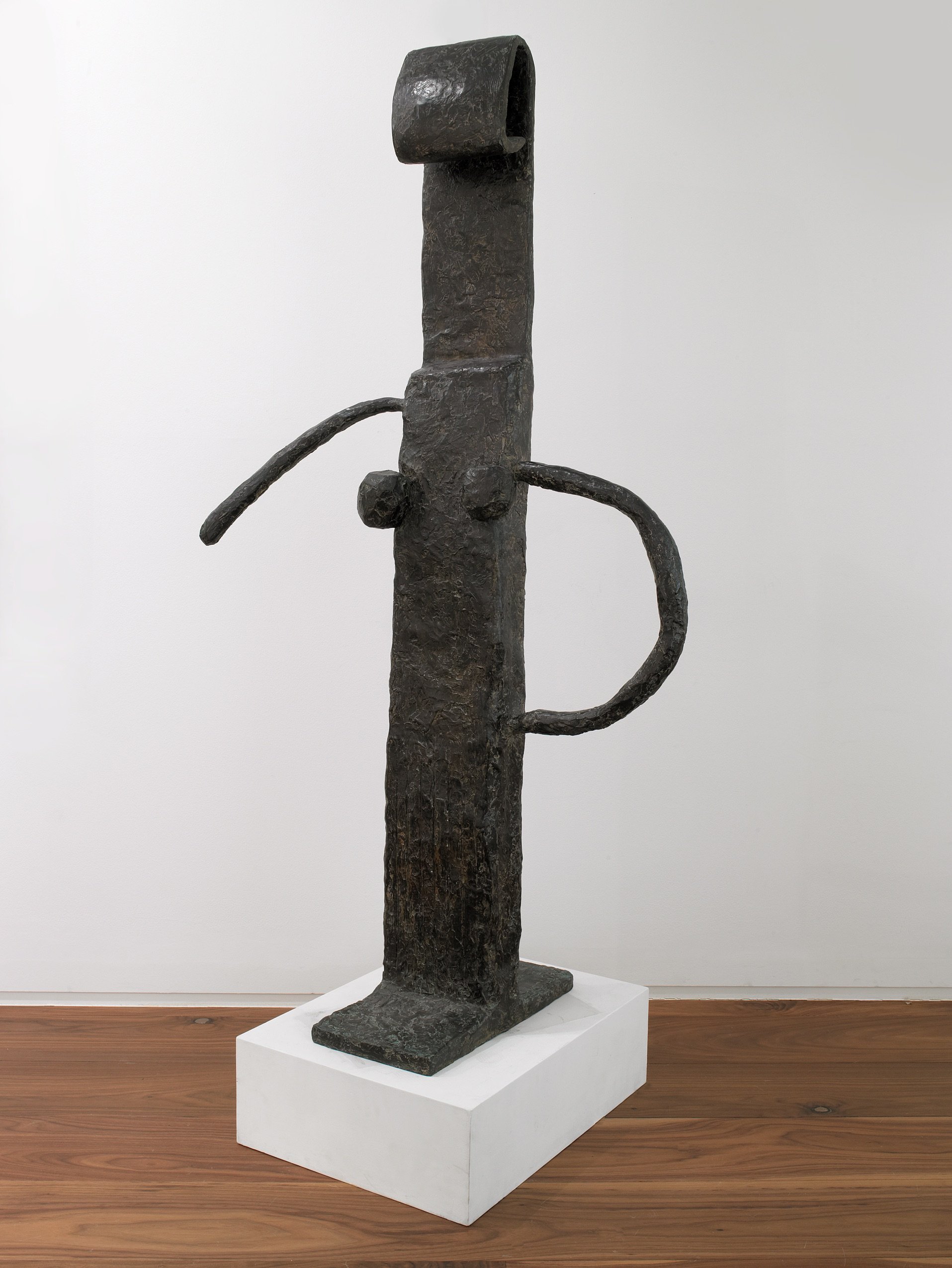
Female Figure, 1988
By William Turnbull
From Osborne Samuel Gallery
-
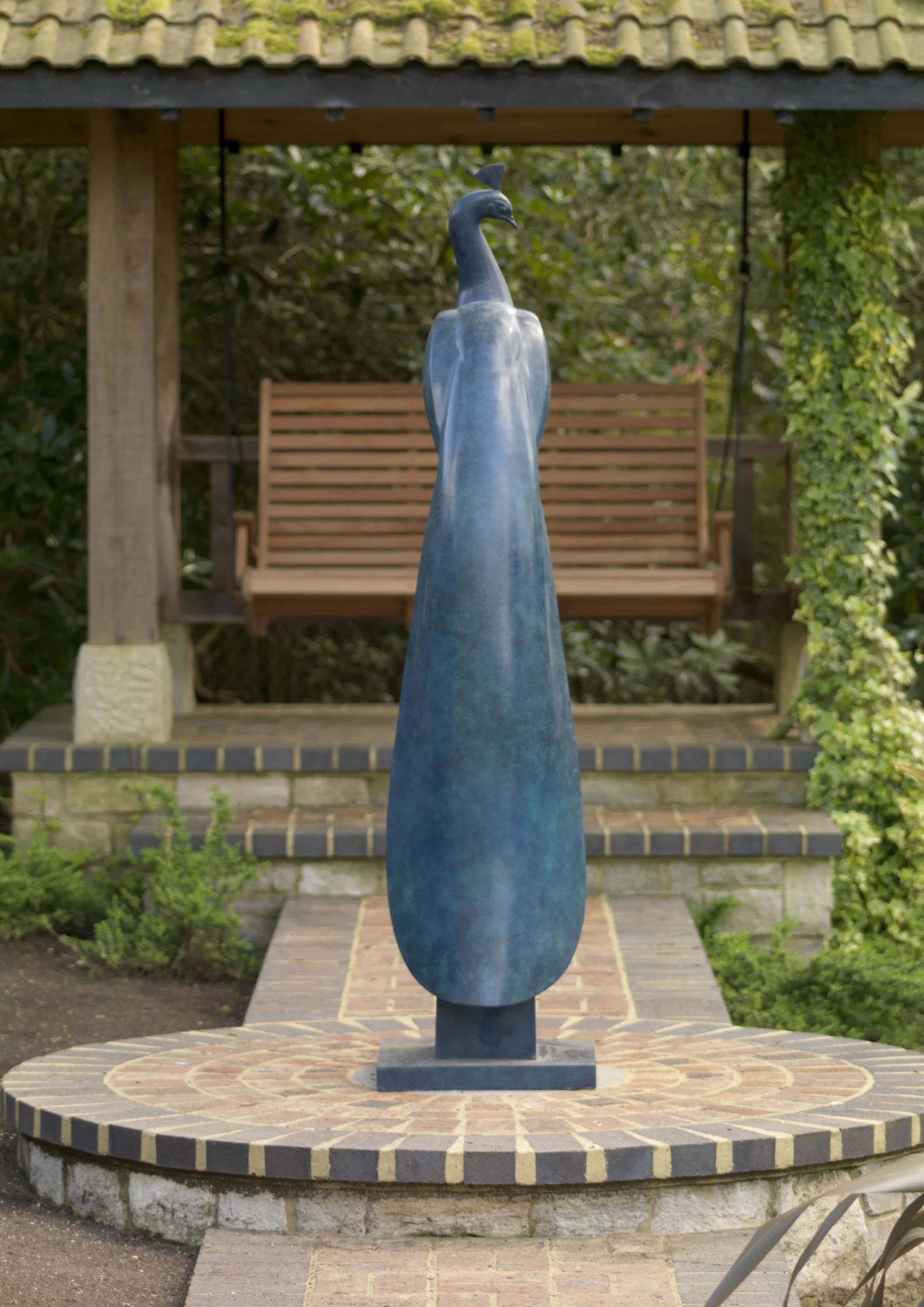
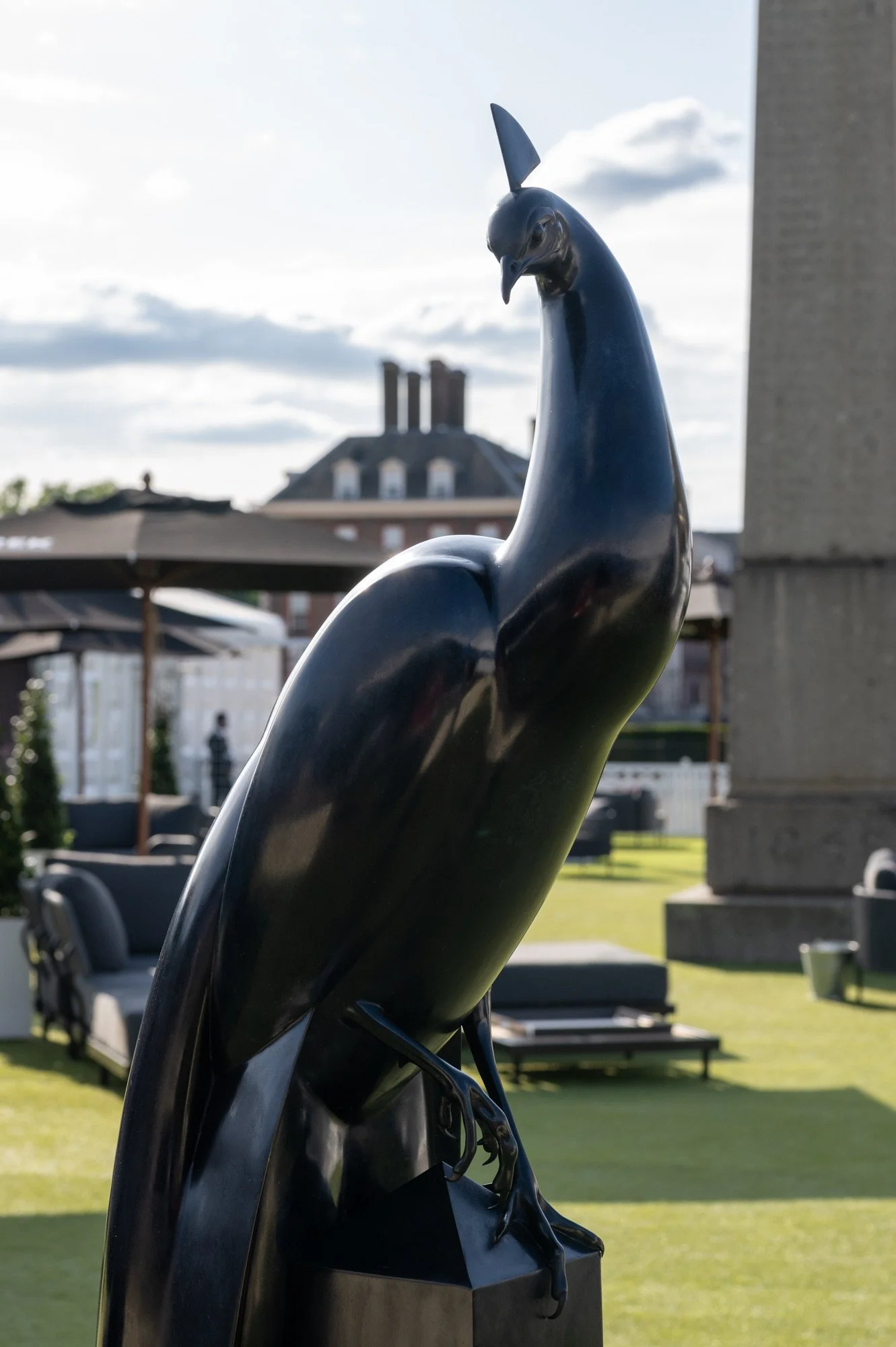
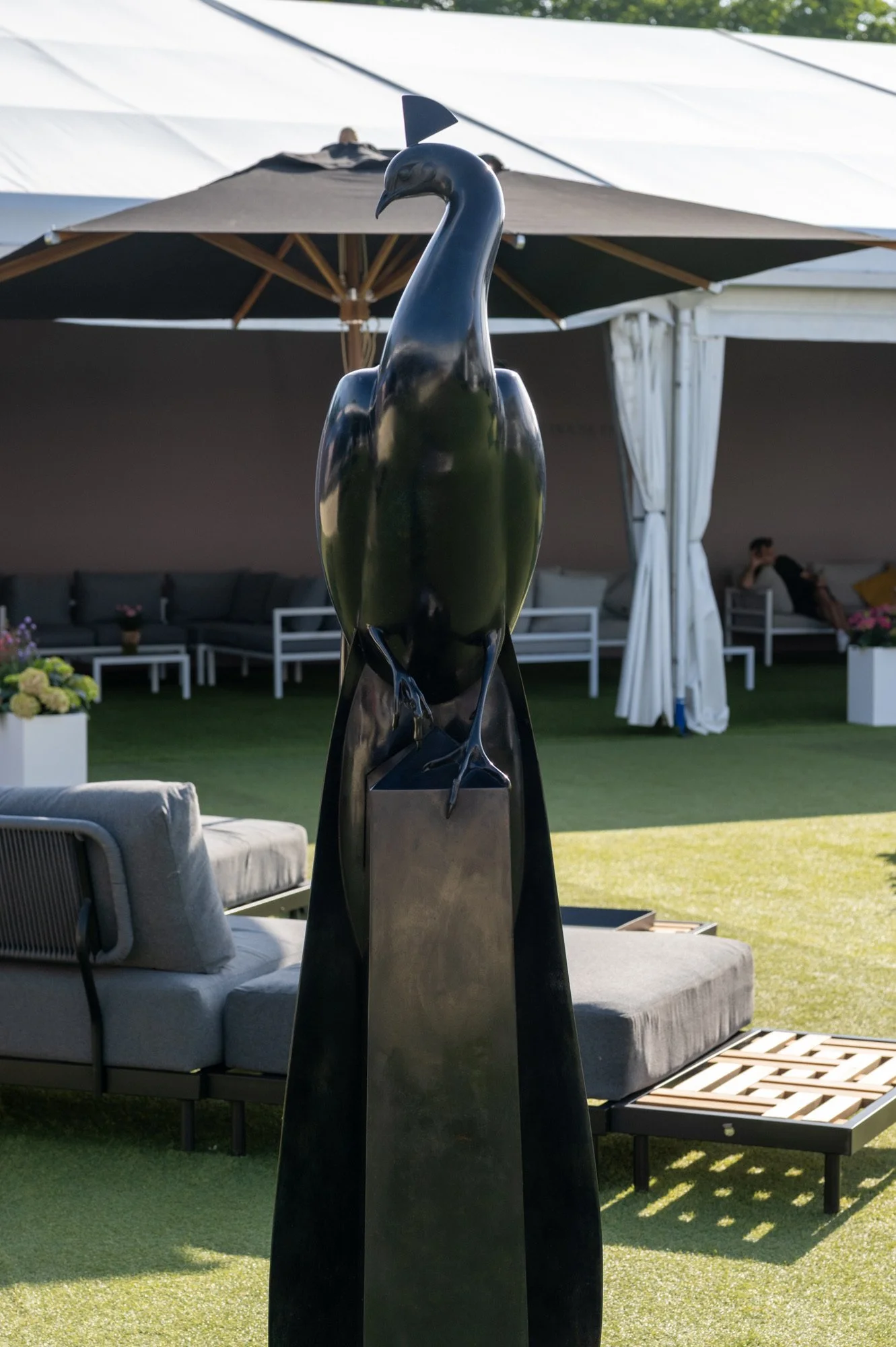
Peacock, 2001
By Geoffrey Dashwood
From Sladmore
-
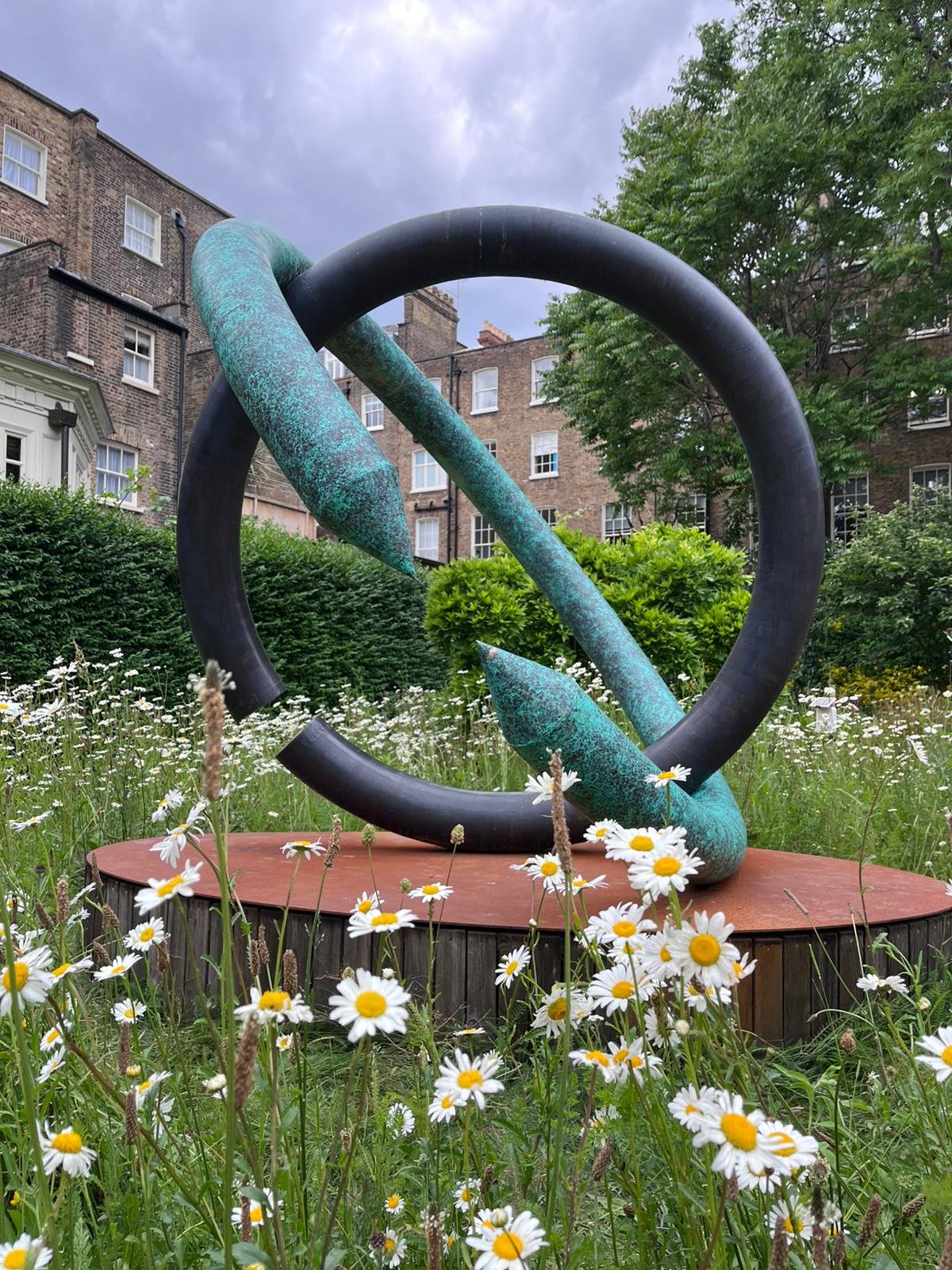
What's the Point, 2025
By Johnny Hawkes
From Sladmore
-
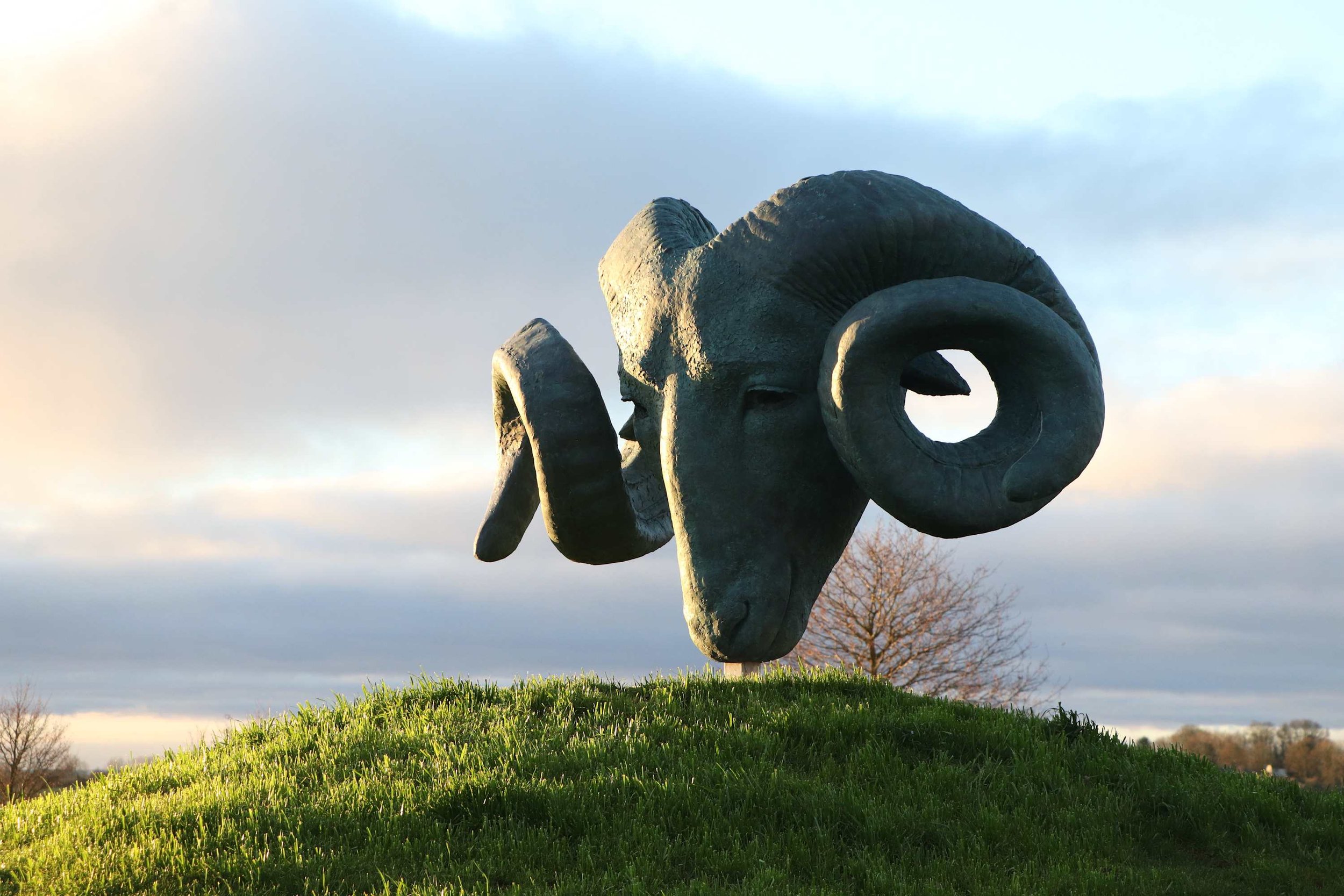
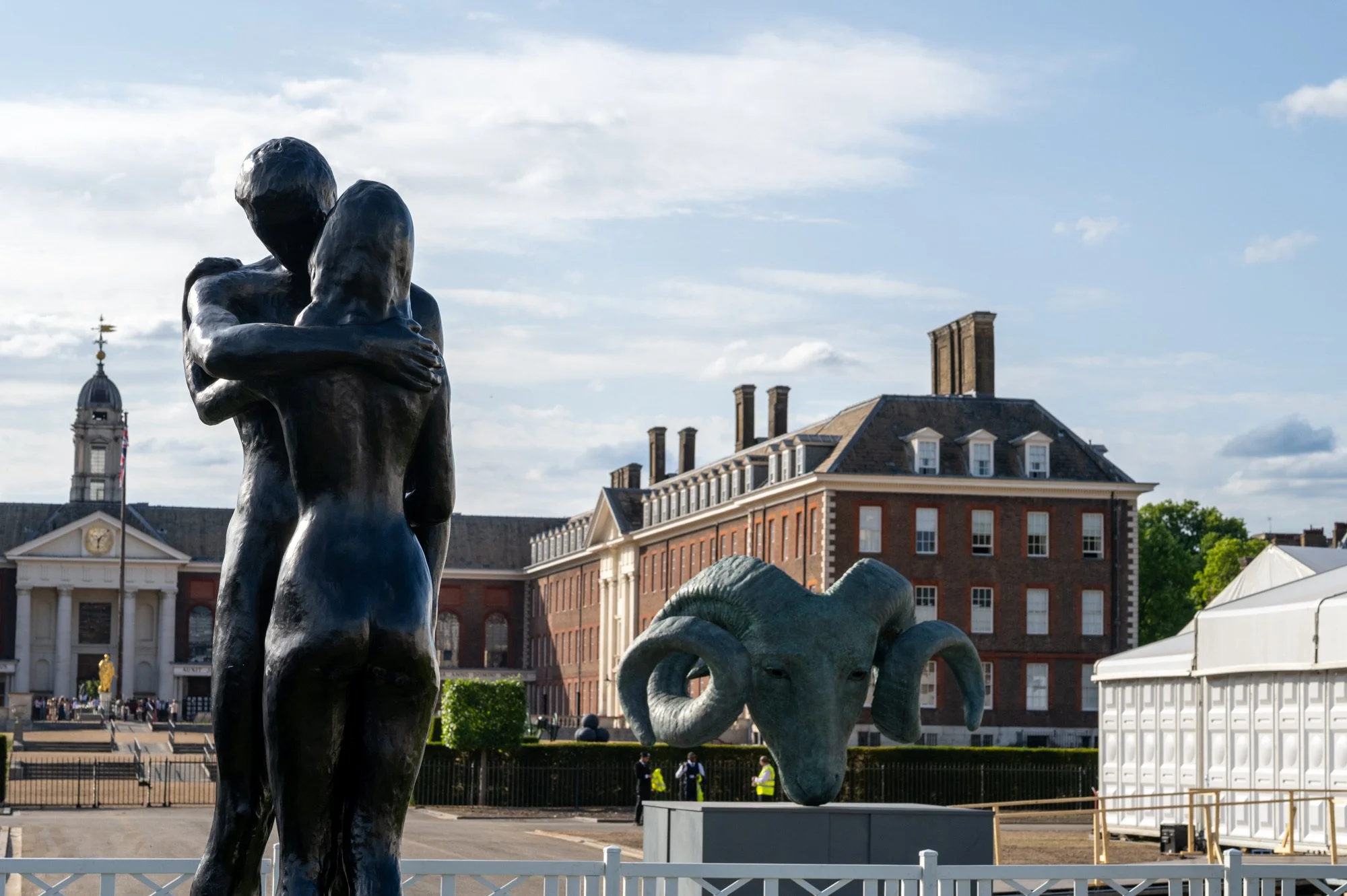
The Ram, 2022
By David Williams-Ellis
From Sladmore
-
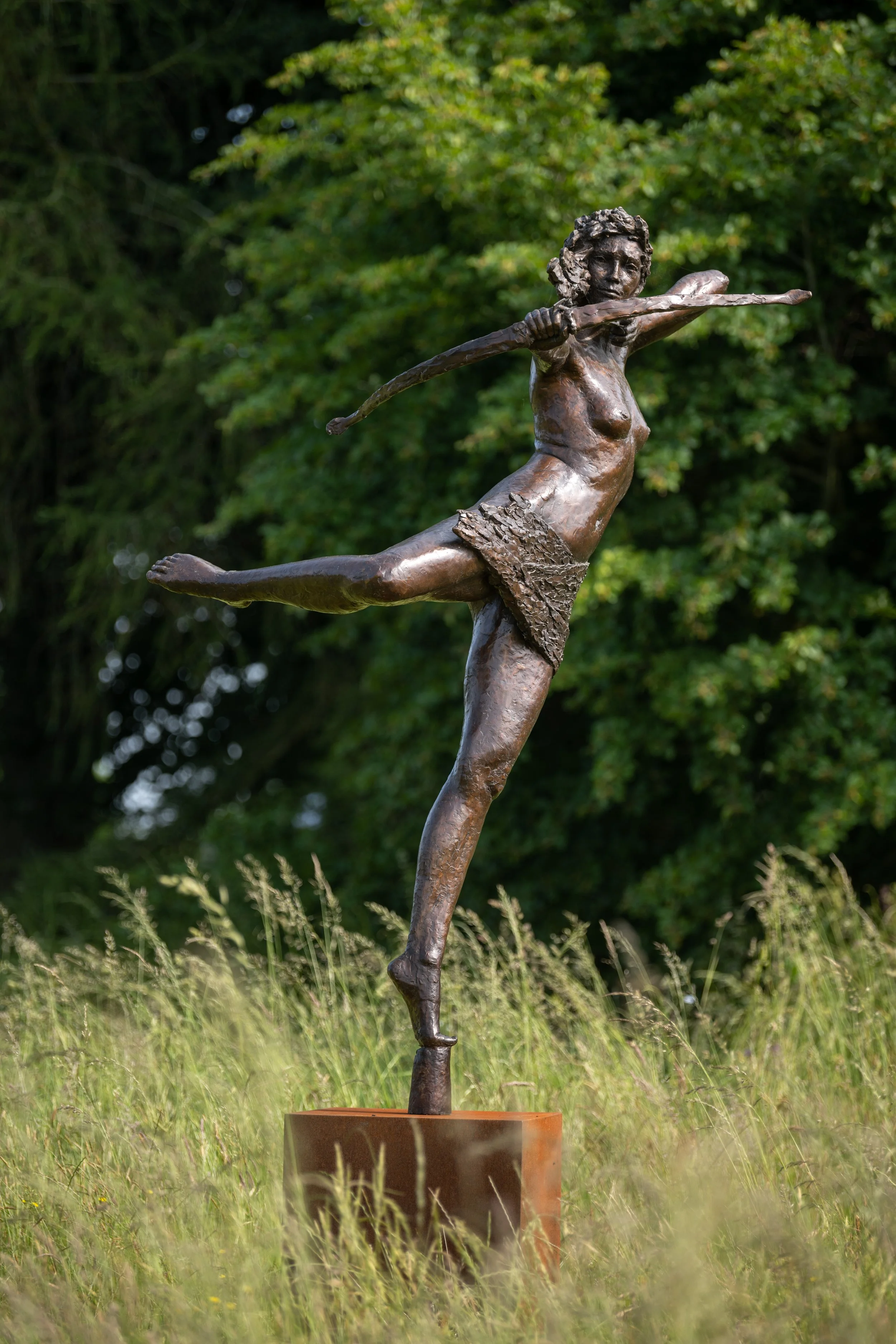
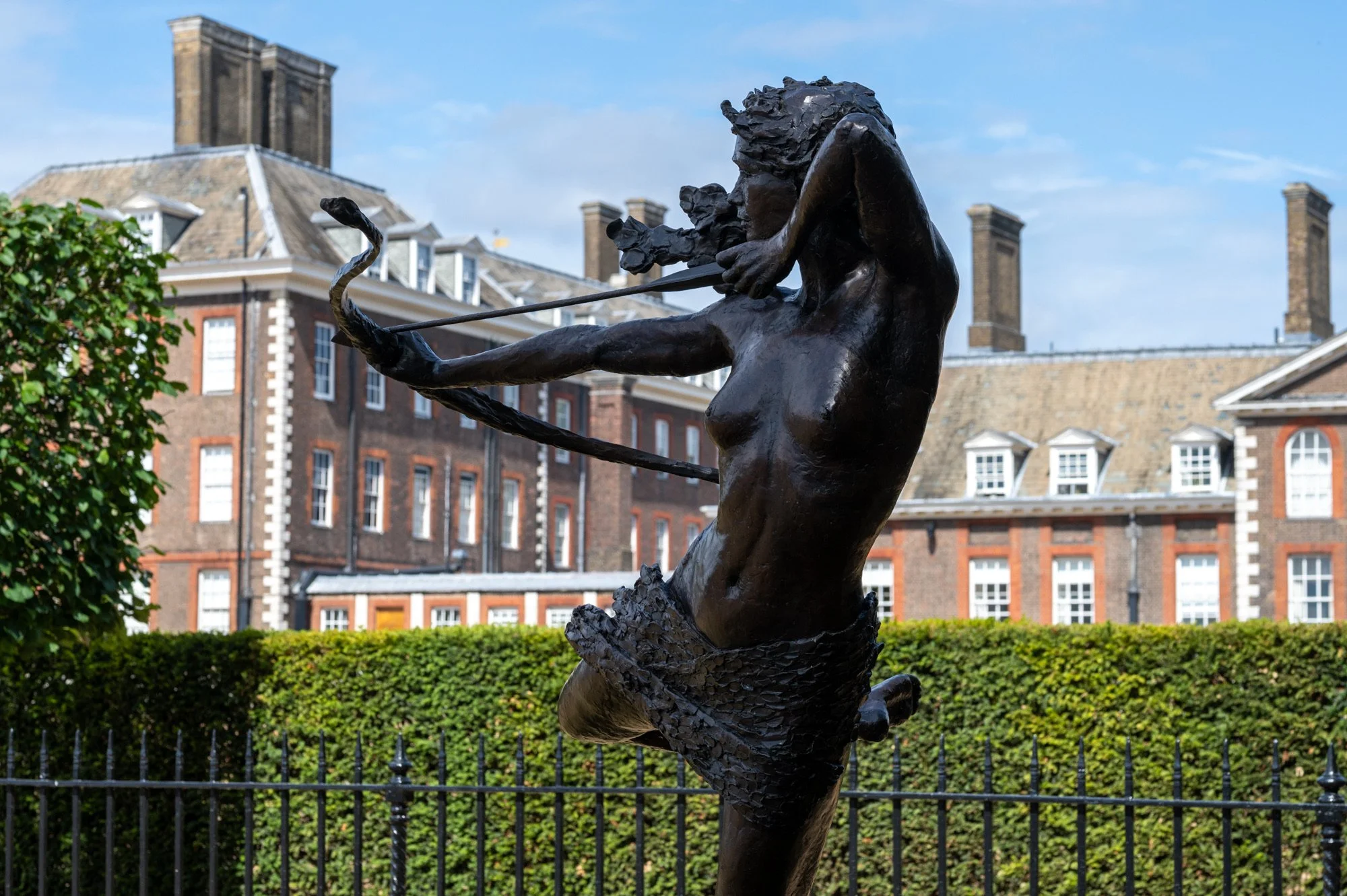
Diana, The Huntress, 2021
By David Williams-Ellis
From Sladmore
-
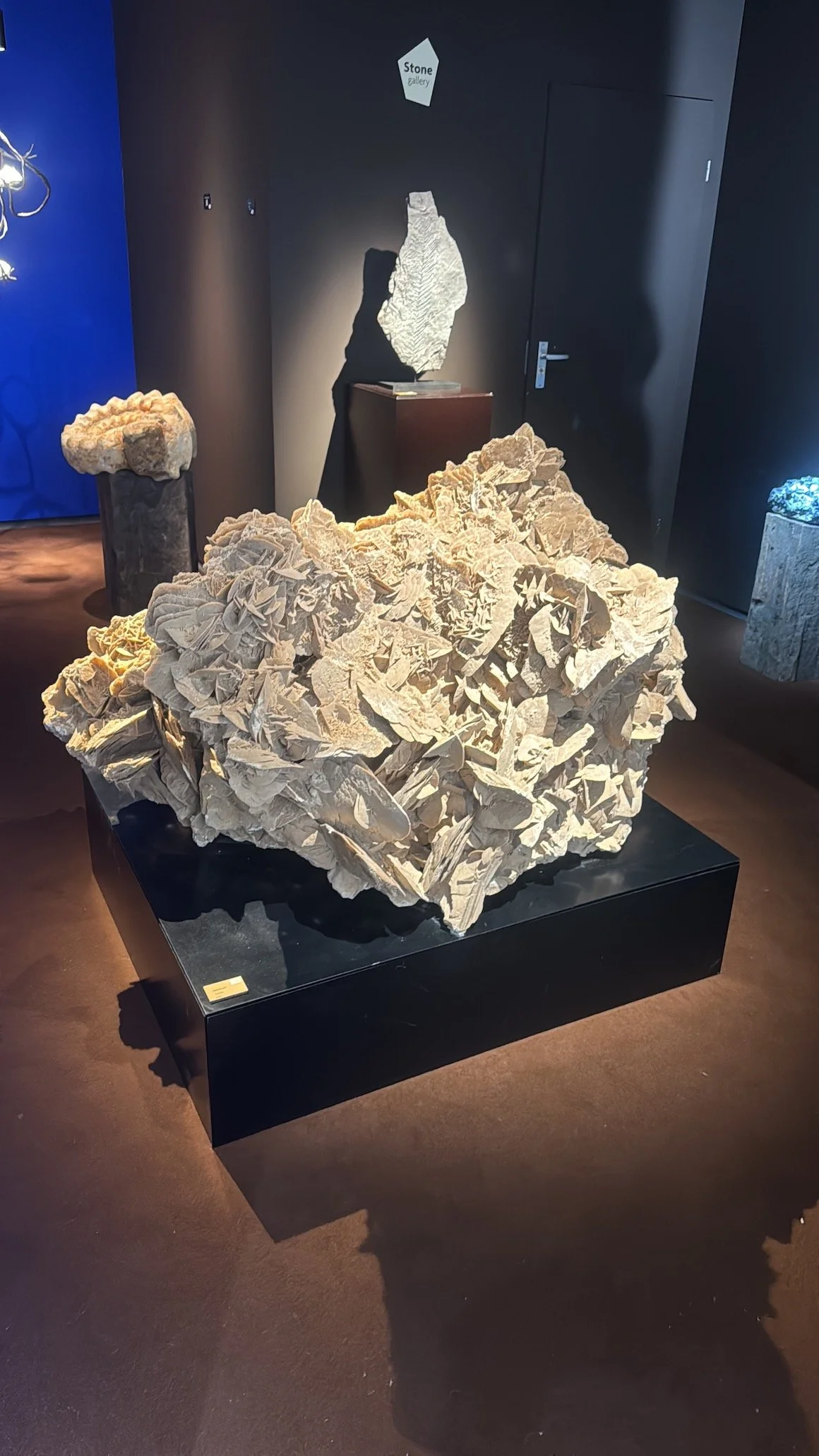
Desert Rose
By Our Planet
From The Stone Gallery
-
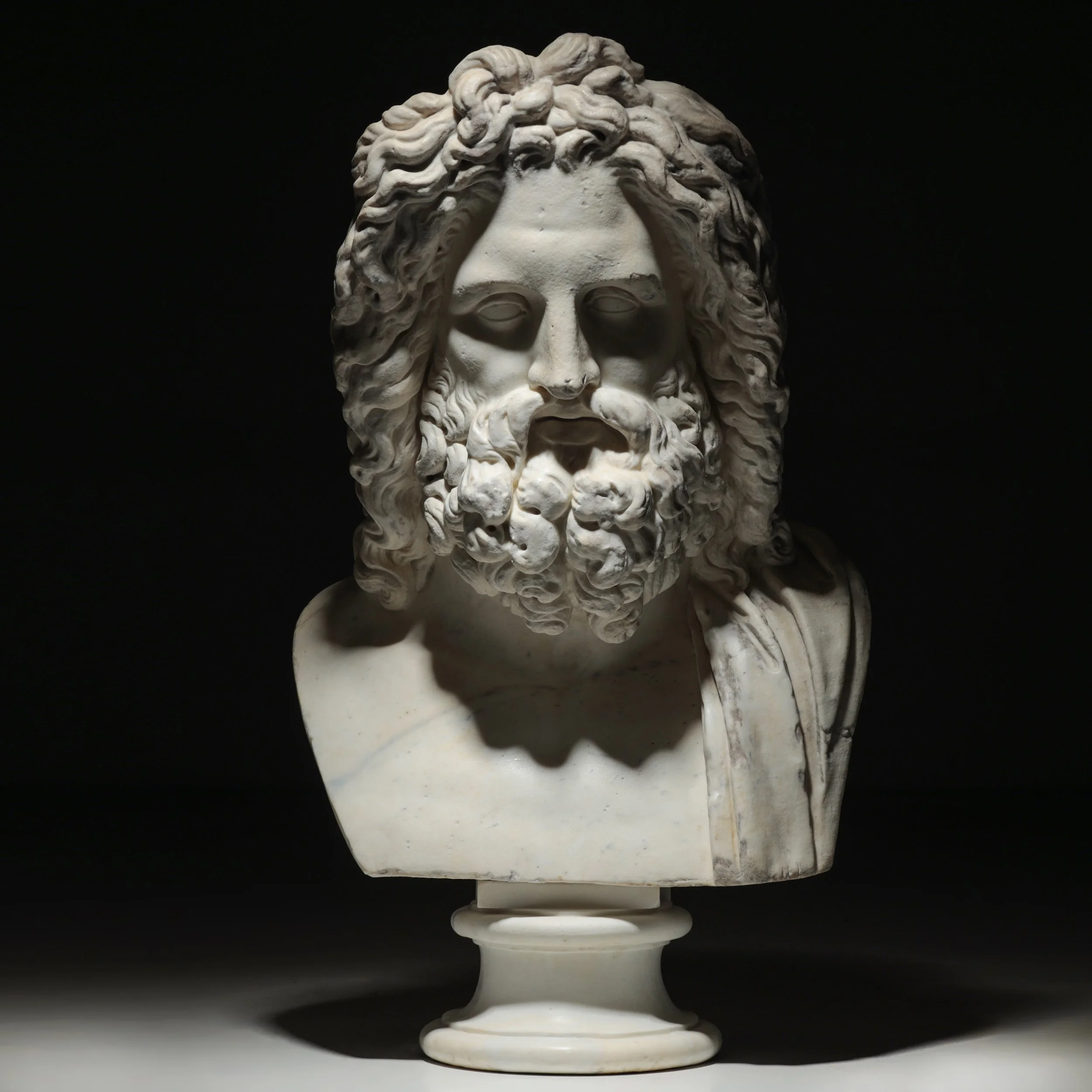
Jupiter of Otricoli, c.1800
After the Antique
From Vagabond
-

Carousel Pig, c. 1890
Attri. Gustave Bayol
From Robert Young Antiques
-
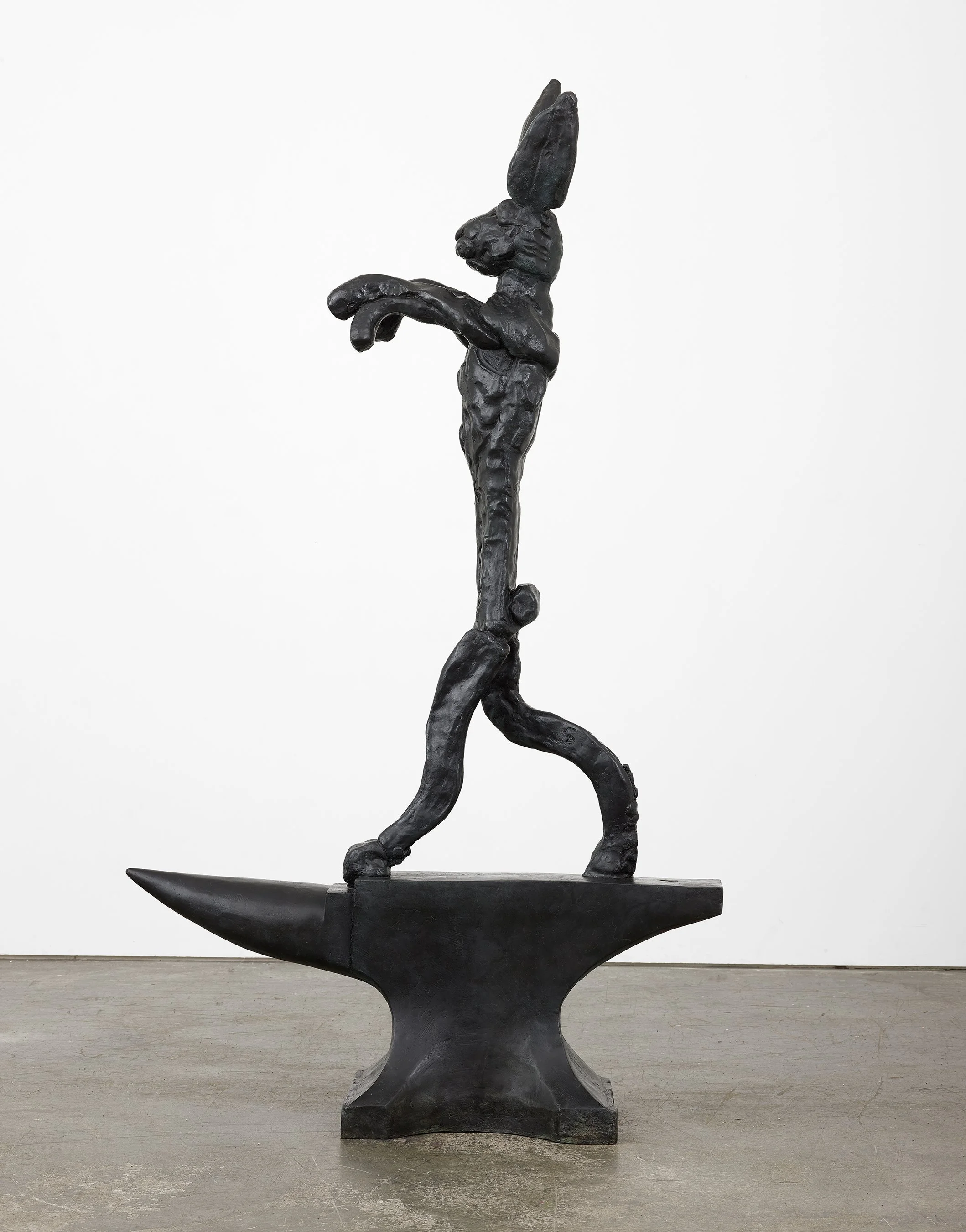
Large Boxing Hare, 1984
By Barry Flanigan
From Waddington Custot
-
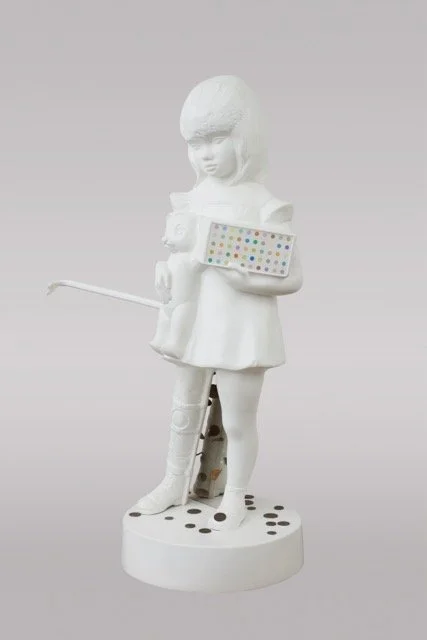
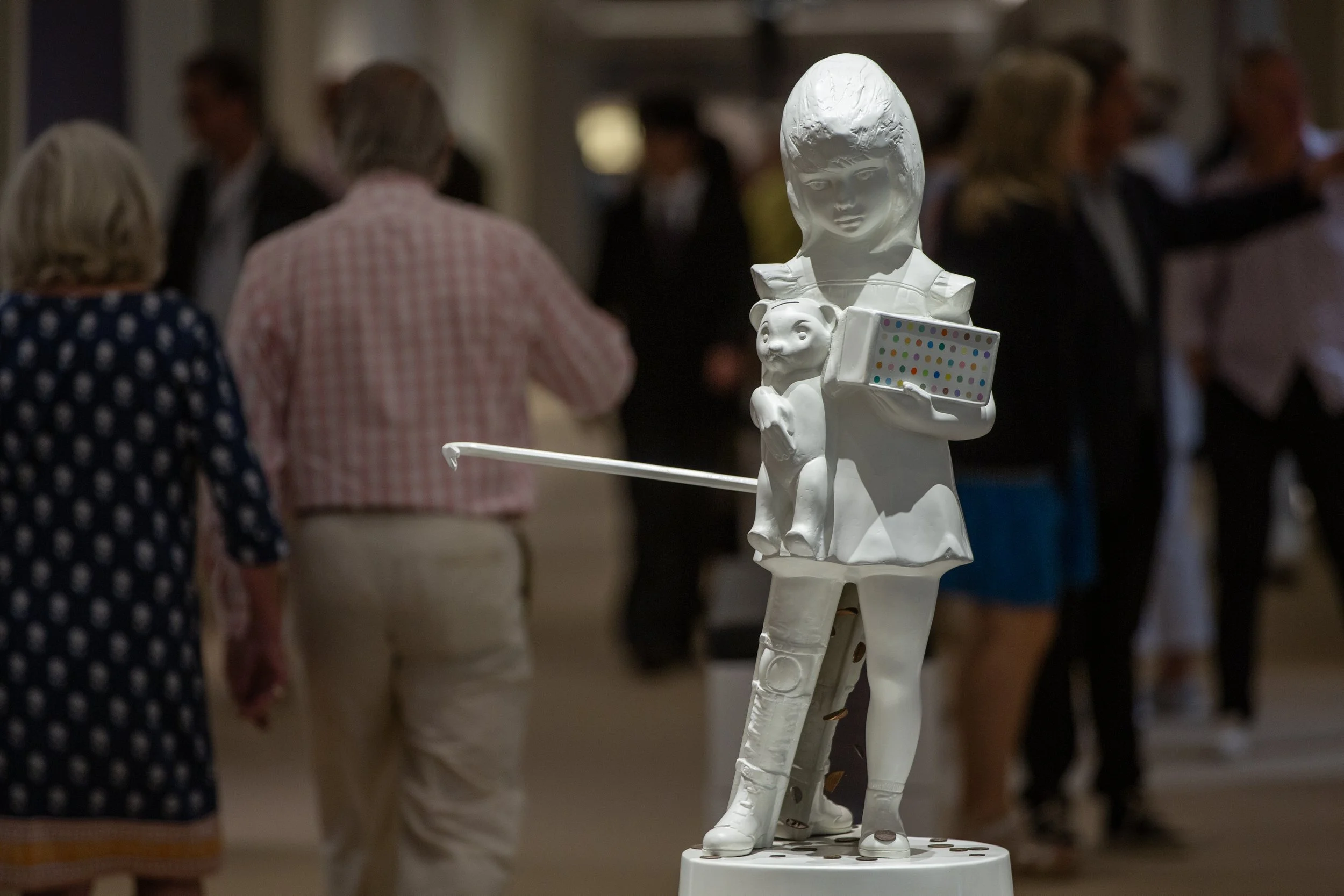
Trust, 2003
By Damien Hirst
From Piano Nobile
-

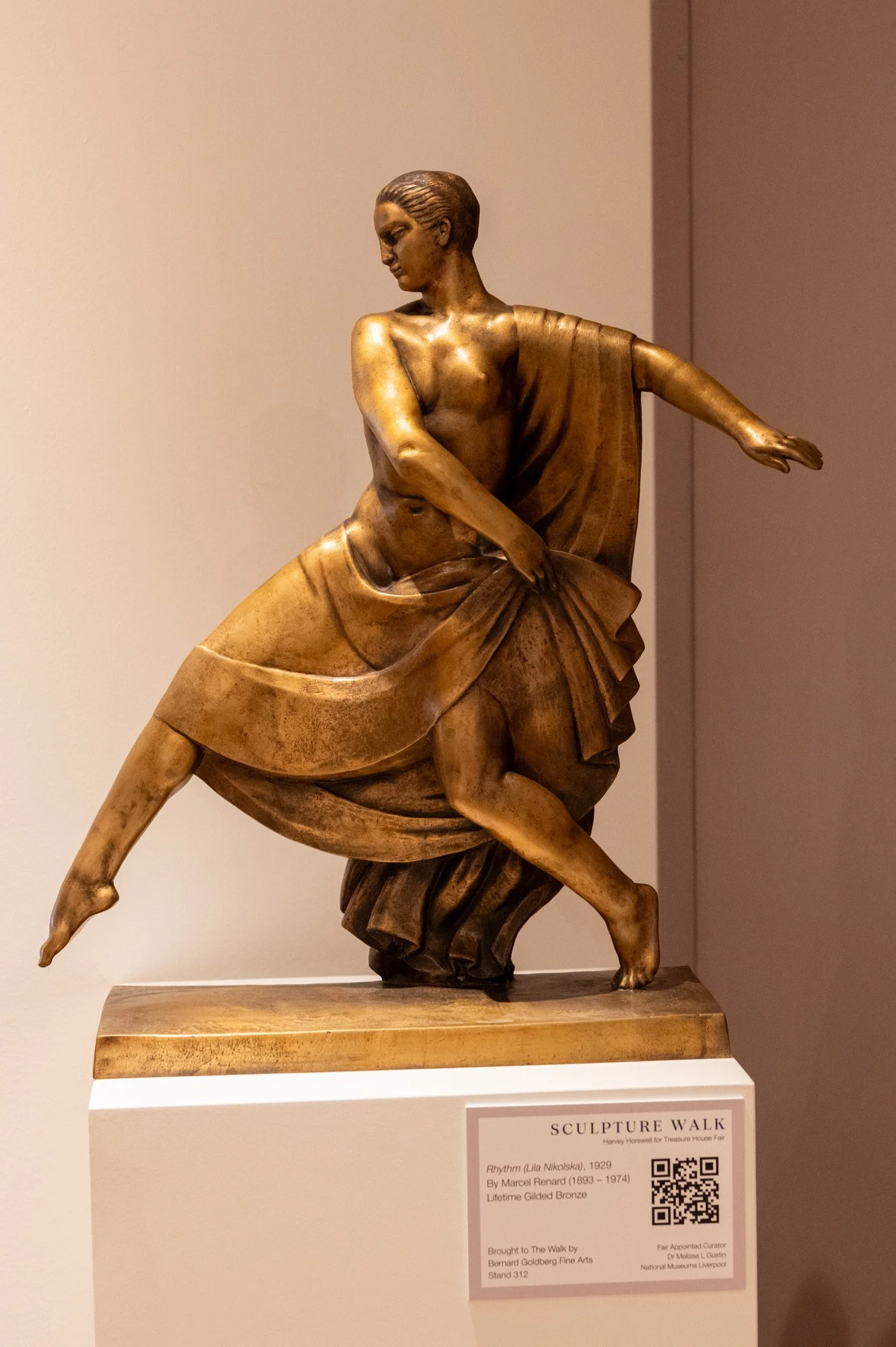
Rhythm (Lila Nikolska), 1929
By Marcel Renard
From Bernard Goldberg Fine Arts