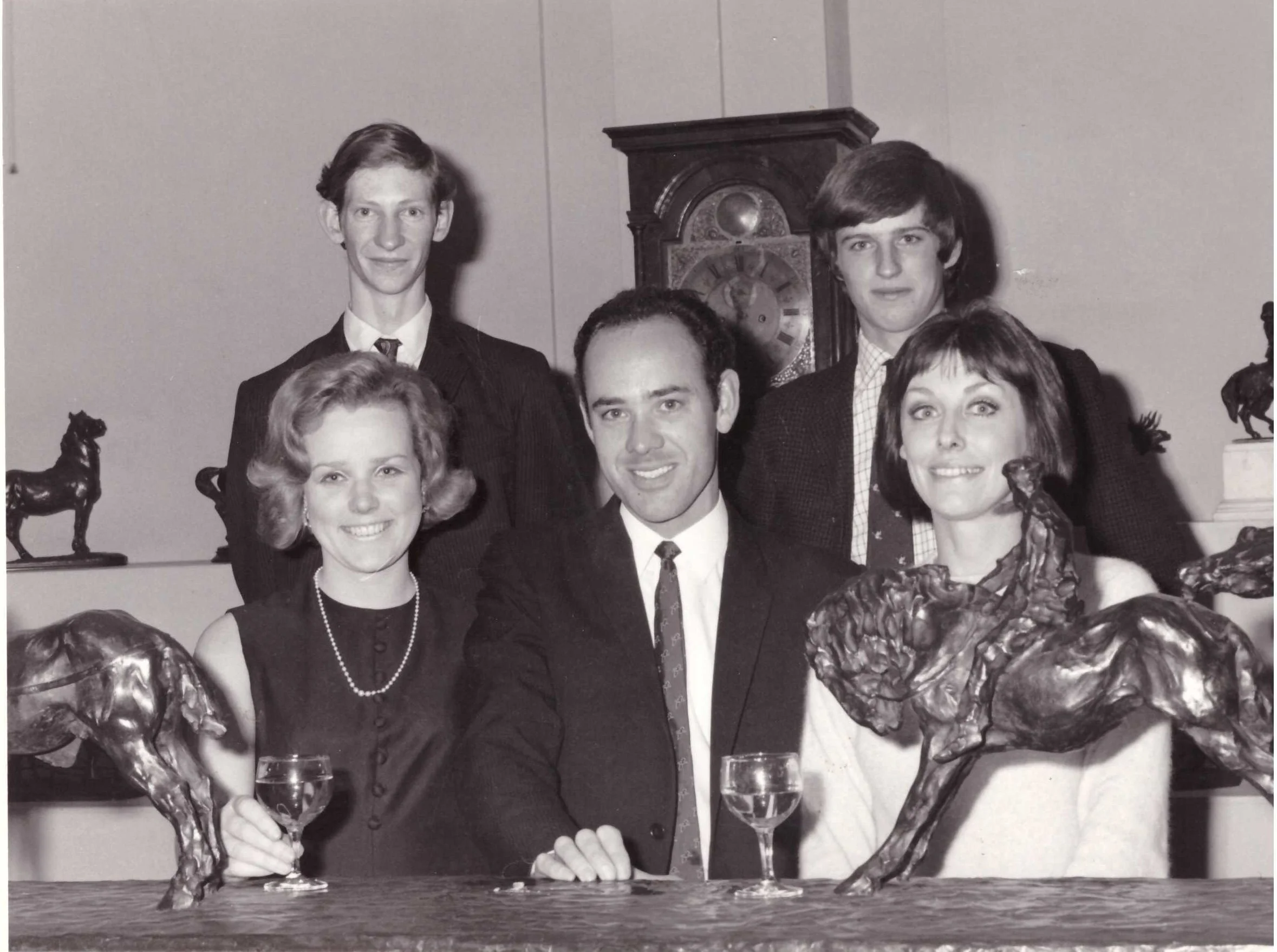
Harry Horswell
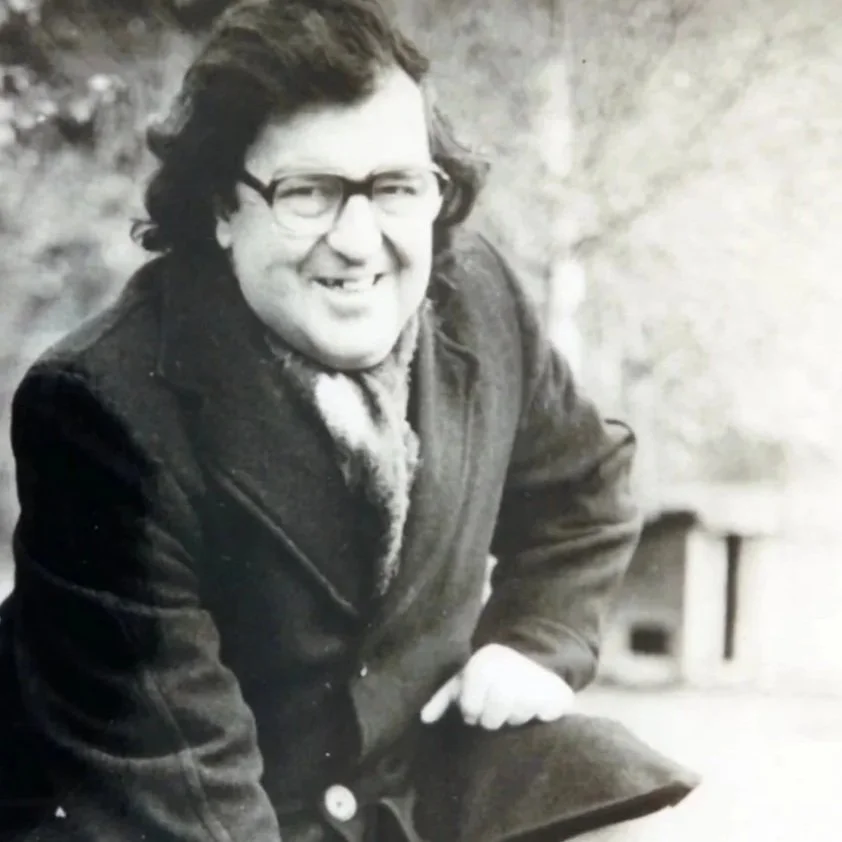
Harry was most often described as a 'character' who had many great passions and endless ideas and projects. He loved most of all being surrounded by people, his birds and his land but kept his love of metal from when he was part of of H J Horswell and sons, constructural engineers of Edgeware Road, London but turned it into casting sculpture (and the odd animal fence). H J Horswell and Sons, worked on the Savoy installing girders and in 1969 won a top award for design for the GKN Water Tower, built with Sir Alfred McAlpine & sons Ltd. With his first wife Harry had founded The Sladmore Gallery in London and it was here that his and Mary’s relationship was solidified. During Mary's time at the Sladmore Gallery, she worked with collectors, curated exhibitions and completed research. She also helped maintain the galleries animal and avian occupants. She helped host not only riotous press events where 'black velvets' were served but also the London Avicultural Society Events with the traditional cheese and pineapple on sticks.
The Books
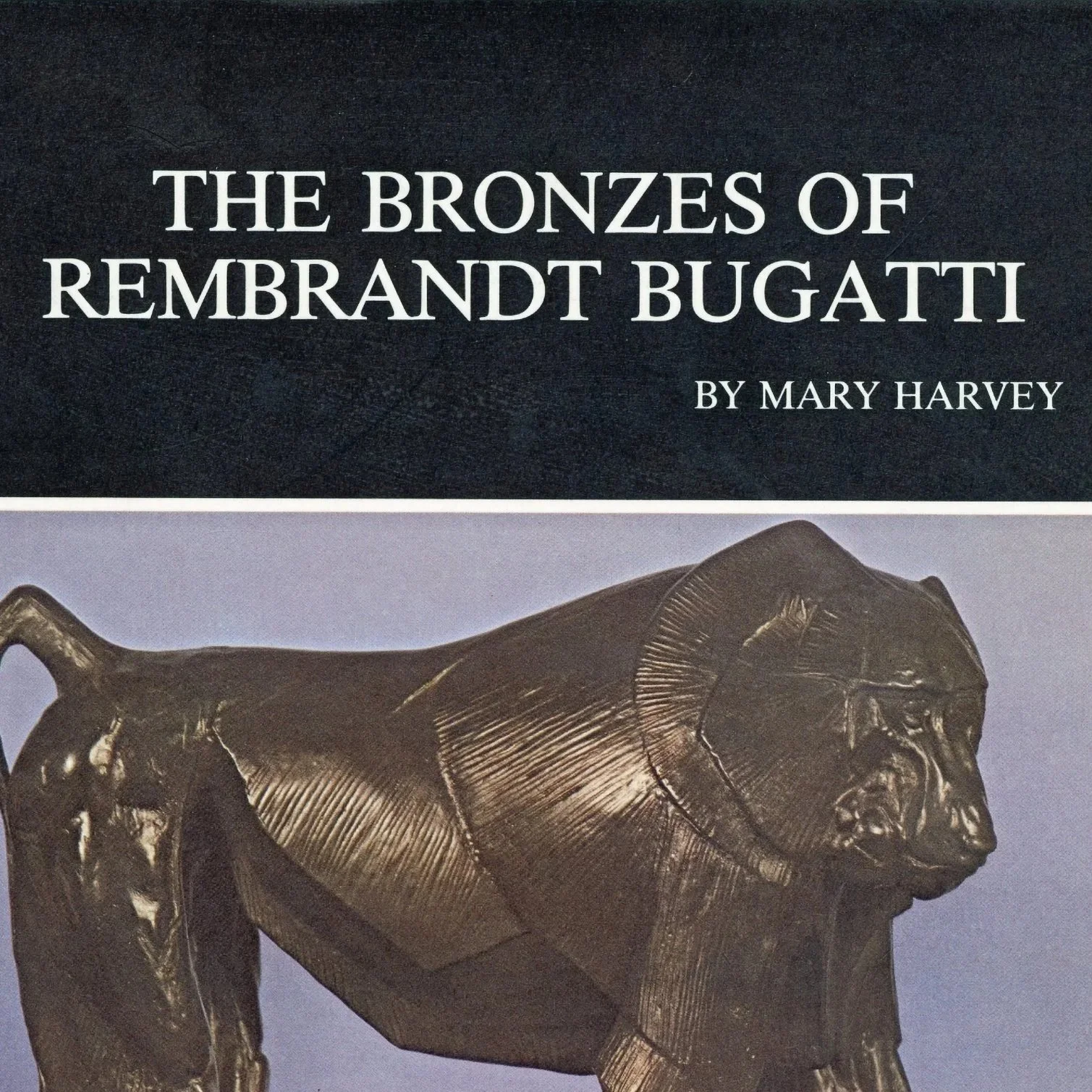
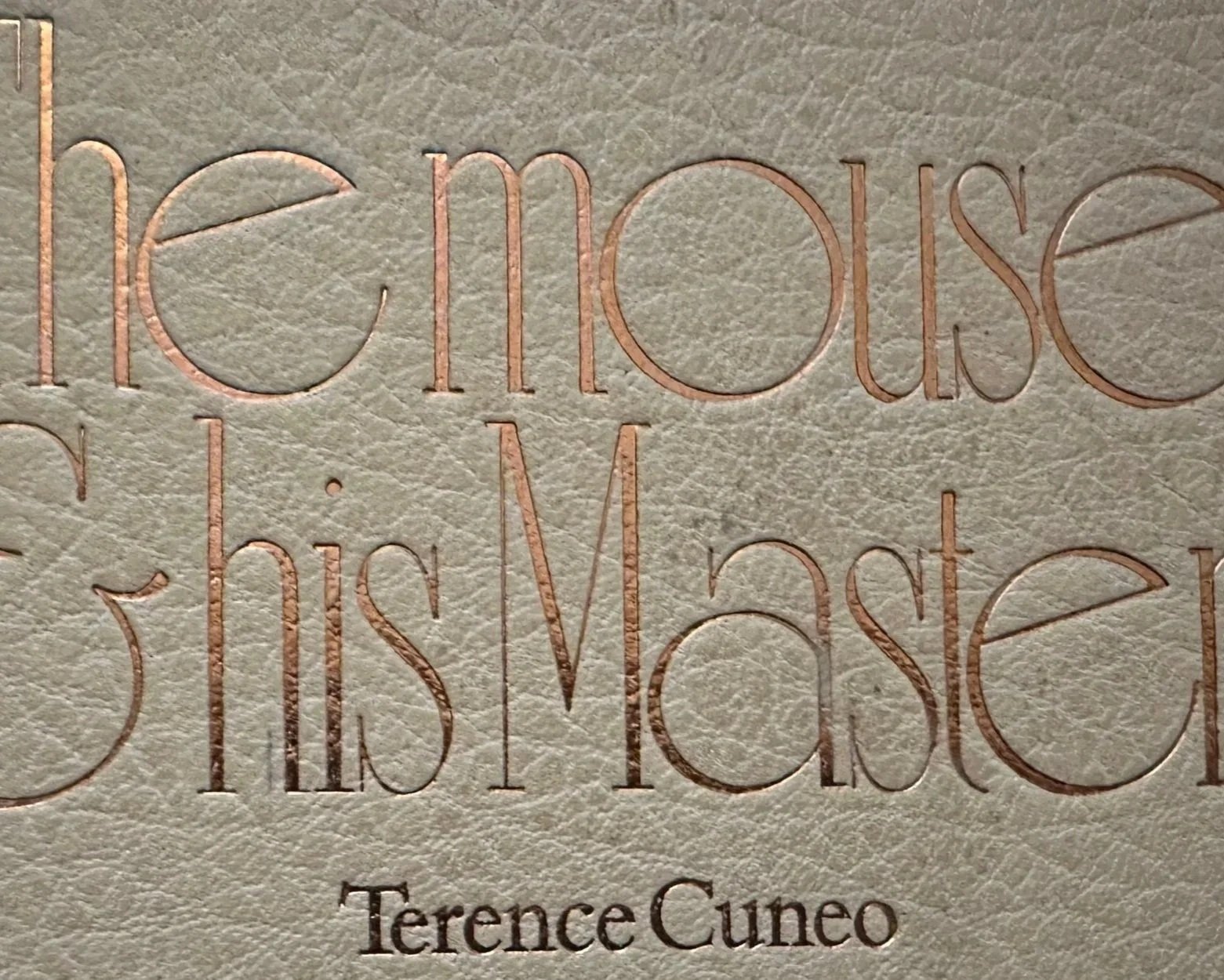
Mary worked with many artists, museums and experts in the following years and consolidated friendships in libraries and archives around the world. In particular she worked closely with Terence Cuneo on his monograph, with the foreword by His Royal Highness, Prince Philip, The Duke of Edinburgh. In 1979 she wrote 'The Bronzes of Rembrandt Bugatti' the first illustrated Catalogue and Biography which is still referenced by auction houses and scholars today. She had trained as a French translator in her youth and this was invaluable as she navigated archives, libraries and museums around the world. A woman ahead of her time, she worked from home with a toddler underfoot, using cork boards to keep track of which museum had which cast.
After leaving London Mary and Harry Horswell lived together near Ascot on what was at one point one of the largest rare bird collections in Europe. Harry was to win 'colours' for his careful breeding programs and Mary was to support him and the collective artists who came to live and work at the stud. A sculpture foundry was set up and began casting works of artists who were not all sculptors to begin with but were encouraged to move from two dimensional work. Amongst the other projects there were also polo ponies, a restaurant with bar where the riotous lunches were held and a large collection of guinea pigs. There were constant visits to and from zoo directors passing eggs to help breeding programs around the world and they made additions to their 19th and 20th century sculpture collection throughout this time. Mary’s love of the wild flowers of England was ignited and she worked alongside experts and artists helping to capture them in illustrations.
The Farm
Mary and Harry settled last into a house with large gardens which were turned into smaller aviaries for the birds which remained (many of the birds were auctioned or donated to Bristol Zoo). The foundry was rebuilt and casting continued, with Victoria Horswell (Gig) continuing to breed and train polo ponies and Flo carrying on growing and reading. They were sadly to all pass away within three years of each other but their legacy continues both in sculpture, birds, polo and in their children and grandchildren.
Mary had planned to open her own Art advisory with Don Emmet, the last of the 'Birdmen' before she passed away and it felt right to include her and her teachings in our company name nearly three decades later.