Gudmar Olovson Biography
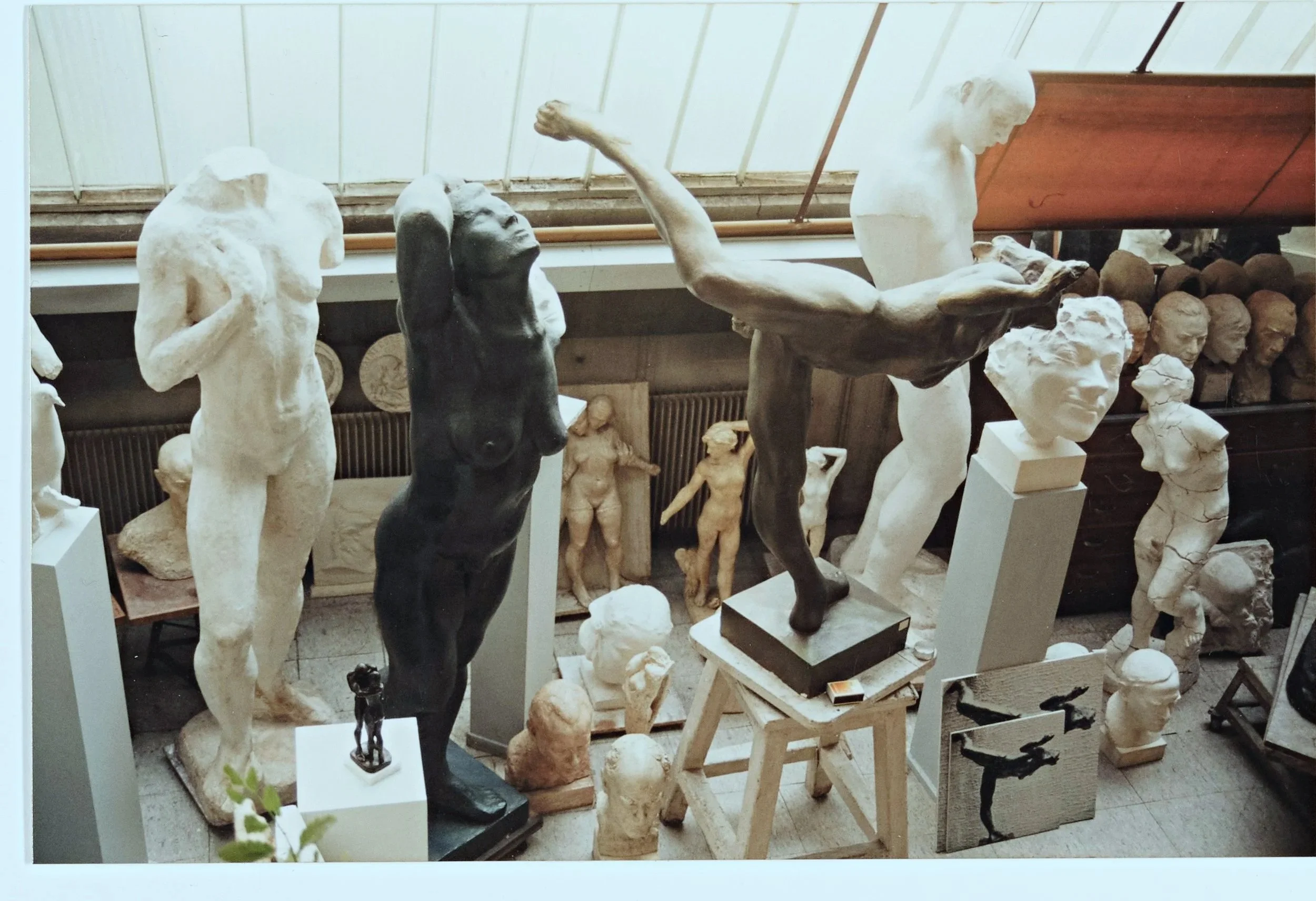
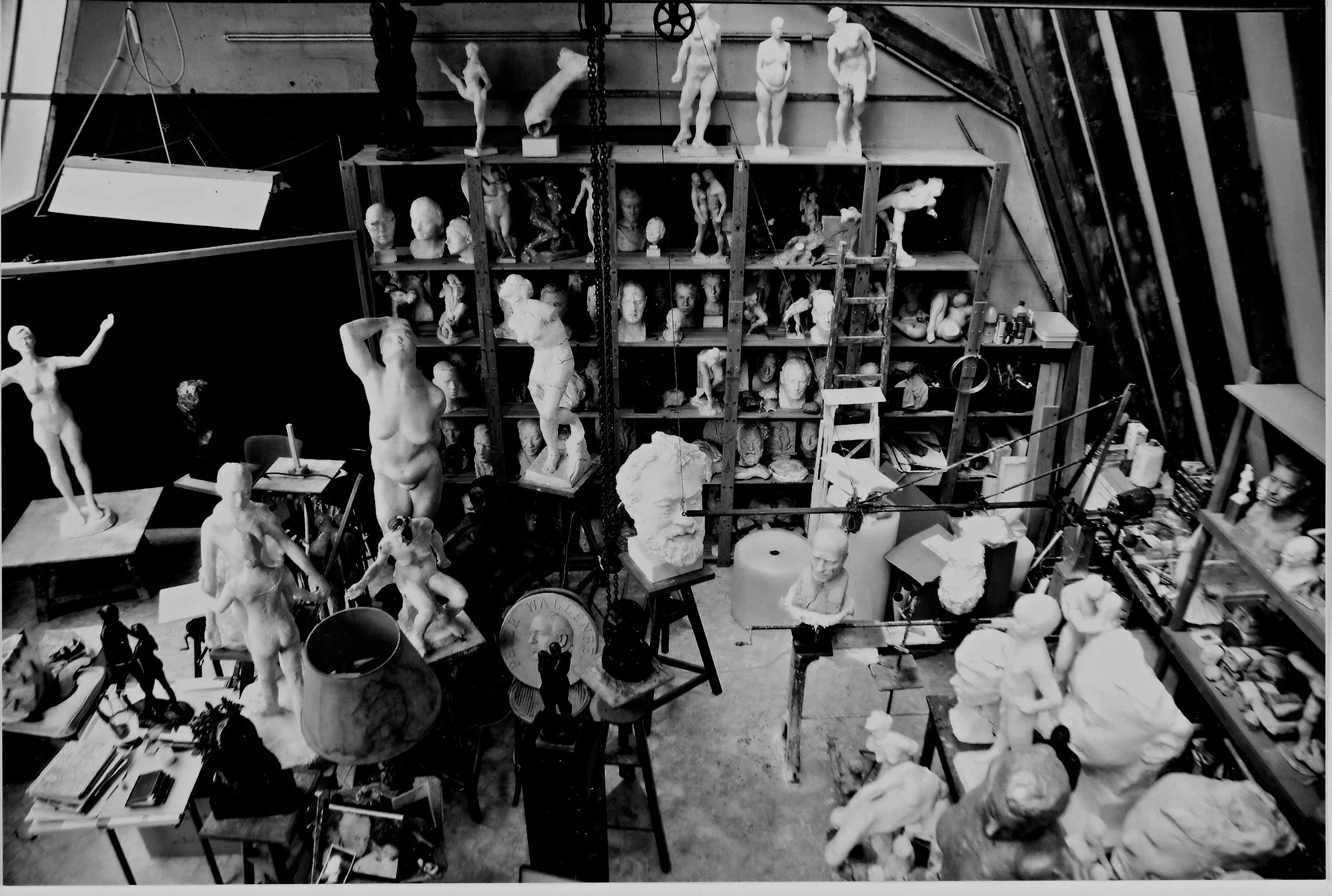
Gudmar Olovson (1936–2017) was a Swedish-born, Paris-based sculptor whose life’s work forms one of the most eloquent figurative oeuvres of the late twentieth century. Rooted in the French classical tradition yet imbued with a distinctly Nordic clarity, he devoted nearly six decades to a sculptural language that celebrates human emotion, the couple, and the quiet drama of the body in space.
Early life and formation
Born in Sweden in 1936, Olovson grew up in Stockholm and studied sculpture at the Royal Swedish Academy of Fine Arts from the mid‑1950s, working under artists such as Bror Hjorth and Stig Blomberg. In 1959–60 a scholarship took him to Paris, initially to a studio at the Cité Universitaire, and he soon chose to make the city his permanent base. There he entered the circle of Jean Carton, Paul Cornet, Jean Osouf and Gunnar Nilsson, mentors who helped refine his commitment to figurative, non‑academic sculpture at a moment when abstraction dominated the avant‑garde.
Style, themes and technique
Olovson’s preferred medium was bronze cast by the lost‑wax (cire perdue) process, supported by a disciplined practice of drawing, lithography, etching and aquatint. His work returns obsessively to the human figure - often female bodies, couples, and interlaced forms - using volume, rhythm and silhouette to articulate love, tenderness, resilience and the passage of time. Across more than 200 original sculptures, he pursued what might be called an architecture of emotion, where movement and stillness are finely balanced and the surface carries the memory of the sculptor’s hand.
Major works and public commissions
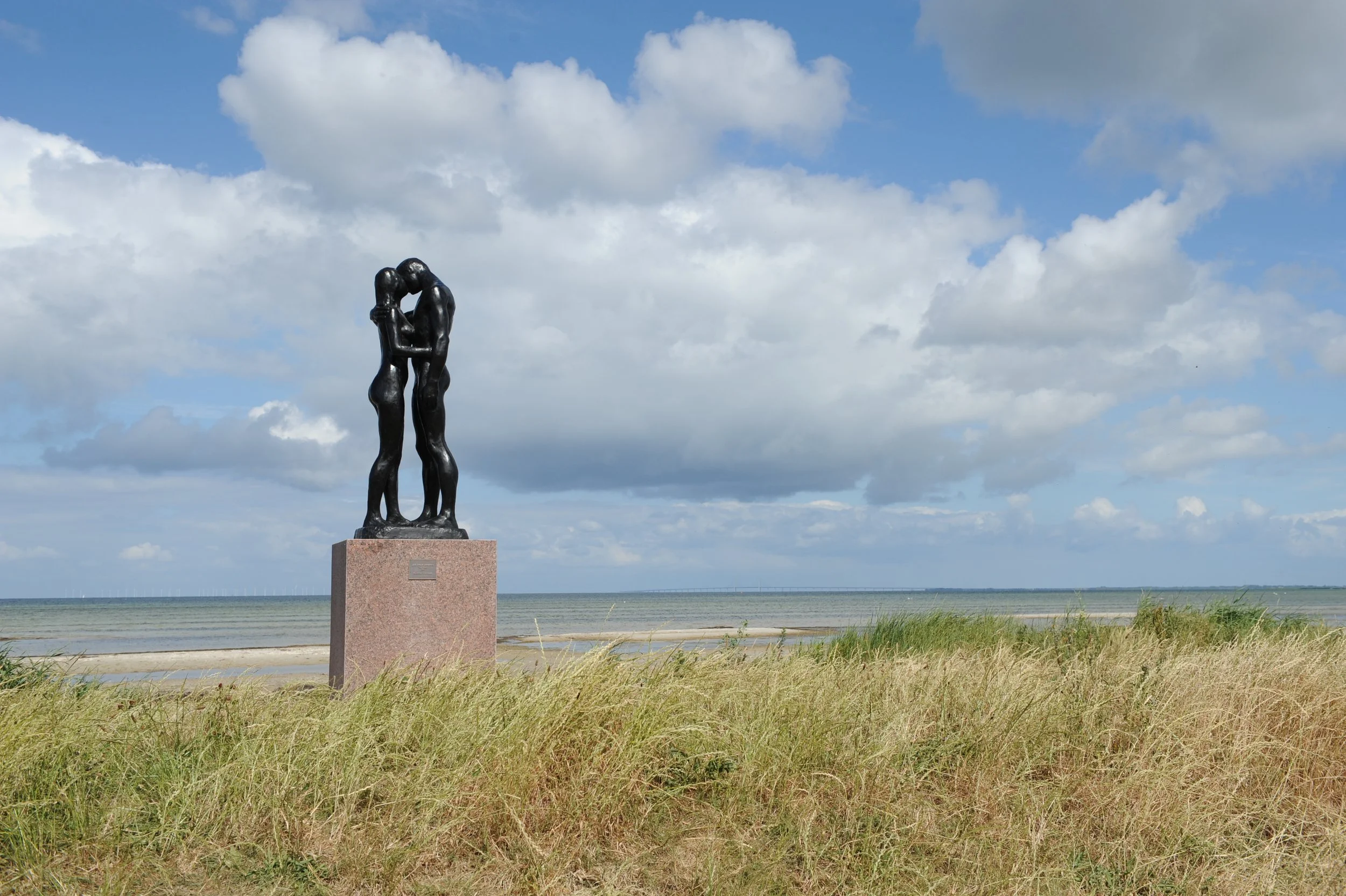
Arguably his most iconic creation, “Les Deux Arbres” (“The Two Trees”), conceived in the 1960s, has been installed in monumental form in Paris’ Bois de Boulogne, at Falsterbo Open‑Air Museum in Sweden, in the sculpture garden at Château de Cheverny, at Château Pétrus and at Ferring’s headquarters in Copenhagen. Other key works such as “Two Sisters”, “Prelude to Life”, “Concorde” and “Wounded Woman‑Bird” punctuate both museum parks and private domains, notably the “Jardin de l’Amour” at Château de Cheverny and Falsterbonäsets Open Air Museum, inaugurated as a dedicated sculpture park to his work in 2008. Parallel to his figurative groups, Olovson created more than ninety portrait busts of prominent figures, including Swedish royalty, Pope John Paul II, French presidents Charles de Gaulle, Georges Pompidou and Jacques Chirac, and actress Ingrid Bergman.
Legacy and the estate
By the time of his death in southern France in 2017, Olovson’s sculptures and works on paper were represented in major private, corporate and public collections across Europe and beyond. Today his legacy is upheld by the estate and Harvey Horswell, with institutions and collectors increasingly recognising his role as a steadfast defender of figurative sculpture and a poet of the bronze medium.
“You the poet who has left the Nordic world to settle in France… I would like the audience to that discovers you to experience the fresh sensuality and yearning I felt the day I stepped over the threshold of your studio.” - Ingrid Bergman.